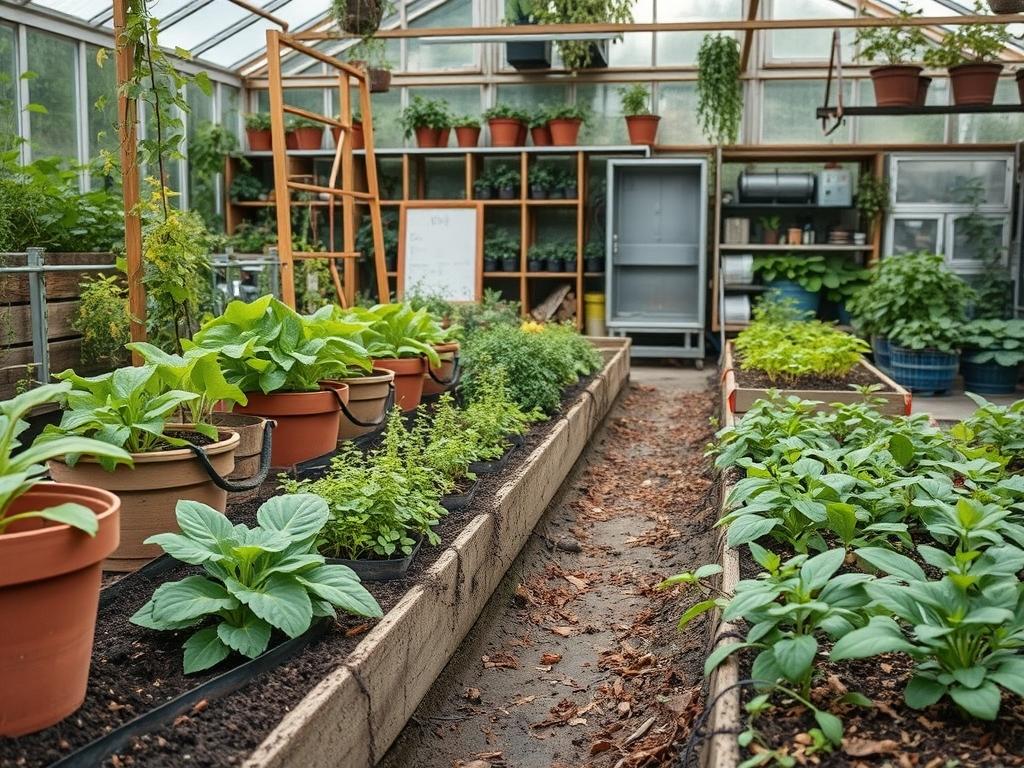
Integrating a functional herb garden into a sophisticated landscape design requires a delicate balance between botanical utility and aesthetic cohesion. Homeowners often seek natural solutions for indoor pest management, specifically regarding the prevention of clothes moths and pantry invaders. As a landscape architect, I view the garden not merely as an ornamental frame for the home but as a primary source of biological materials that serve the interior environment. By strategically planting specific aromatic species, we can create a sustainable pipeline of natural moth deterrents that also enhance the property value, curb appeal, and sensory experience of the outdoor living space. The challenge lies in placing these utilitarian plants within a formal or contemporary framework so they do not appear disorganized or purely agricultural.
Proper site analysis is the first step in this architectural journey. We must consider the microclimates created by the home’s various exposures. South facing foundations offer the heat and light intensity required by Mediterranean herbs, while eastern exposures provide the gentle morning sun conducive to softer leafy greens. Incorporating these plants into the landscape is not just about the pots on the windowsill; it is about large scale cultivation that allows for frequent harvesting without depleting the visual density of the garden beds. A successful design ensures that the functional capacity to deter pests indoors is seamlessly woven into the site’s elevation, drainage patterns, and overall architectural character.
Landscape Design Principles
Effective landscape design utilizes symmetry and focal points to guide the eye and create a sense of order. When placing deterrent herbs like Lavender or Rosemary, we use them as structural elements. Low boxed hedges of Lavandula angustifolia can define the margins of a primary walkway, creating a formal entrance while providing easy access for harvesting fragrant spikes. Symmetry is achieved by mirroring these plantings across a central axis, perhaps leading to a stone fountain or a sculptural element. This structured approach prevents the herb garden from looking like a scattered collection of disparate pots, turning it instead into a deliberate architectural feature.
Elevation layers are critical for both visual interest and plant health. In many luxury landscapes, we utilize retaining walls and raised planters to create tiered environments. Herbs used for moth prevention often require superior drainage, which is naturally facilitated by elevation. By placing prostrate varieties of Rosemary at the edge of a limestone wall, the plant can cascade over the stone, softening the hardscape while remaining accessible at waist height. This layering creates depth, moving from low ground covers in the foreground to mid sized shrubs, finally terminating in ornamental trees or tall screen plantings.
Irrigation planning must be precise to support a multi functional garden. Hydrozoning, the practice of grouping plants with similar water needs, is a cornerstone of professional landscape architecture. Most aromatic herbs are drought tolerant once established and would suffer in the high moisture environments required by turfgrass or tropical ornamentals. We design separate irrigation zones using subsurface drip lines or pressure-compensating emitters to deliver precise volumes of water directly to the root zones. This prevents the fungal issues associated with overhead watering and ensures the essential oils within the herbs, which serve as the actual repellent, remain concentrated and potent.
Visual balance is further refined through the contrast of textures and colors. The silver-grey foliage of Santolina chamaecyparissus provides a striking counterpoint to the deep greens of Boxwood or the dark mulch of a formal bed. By treating these deterrent plants as color blocks within a larger mosaic, the designer creates a sophisticated palette. These plants serve a dual purpose: they act as a biological barrier outdoors and, when dried and moved indoors, provide the volatile organic compounds necessary to protect woolens and linens from moth damage.
Plant and Material Selection
| Plant Type | Sun Exposure | Soil Needs | Water Demand | Growth Speed | Maintenance Level |
| :— | :— | :— | :— | :— | :— |
| English Lavender | Full Sun | Well-drained, Alkaline | Low | Moderate | Prune after bloom |
| Rosemary | Full Sun | Sandy, Gritty | Low | Fast | High (requires shaping) |
| Peppermint | Part Shade | Rich, Moist, Loamy | Medium-High | Very Fast | High (needs containment) |
| French Marigold | Full Sun | Standard Garden Soil | Medium | Fast | Deadheading required |
| Wormwood | Full Sun | Poor to Average | Low | Moderate | Seasonal cut-back |
| Lemon Balm | Sun/Part Shade | Most Soil Types | Medium | Fast | Aggressive spreader |
Implementation Strategy
The implementation phase begins with professional grading to ensure positive drainage away from the home foundation and the root systems of sensitive herbs. We specify a 2 percent minimum slope for all garden beds. If the natural topography is flat, we create artificial mounding or berms using a blend of sandy loam and composted organic matter. This elevation ensures that during heavy rain events, excess water moves toward catch basins or swales rather than saturating the delicate root structures of the aromatic plants.
Edging provides the clean lines necessary for a high end look and serves to contain invasive species like Mint or Lemon Balm. We often use 14 gauge steel edging or Belgian block masonry to create a firm boundary between the lawn and the herb beds. When planting lavender or rosemary as a deterrent, we excavate a trench significantly wider than the root ball, backfilling with a custom mix that includes perlite or crushed granite to enhance aeration. A 3 inch layer of cedar mulch or river rock is then applied, keeping the crown of the plant dry and suppressing weeds that might compete for nutrients.
Hardscaping elements, such as gravel paths or stone patios, should be integrated into the herb garden layout. This allow for the “crush and sniff” effect where walking near the plants releases their essential oils into the air. We recommend decomposed granite or pea gravel for these paths, as these materials allow for water infiltration and provide a rustic yet polished aesthetic. Strategic placement of these paths allows homeowners to harvest their natural moth deterrents without stepping into wet soil or damaging the structural integrity of the plantings.
Common Landscaping Failures
The most frequent failure in herb centric landscapes is the lack of adequate drainage. Many homeowners attempt to plant Lavender or Thyme in heavy clay soils without modification. This leads to root asphyxiation and fungal rot, especially in the winter months. Professional architects avoid this by specifying soil amendments and, in extreme cases, installing French drains beneath the planting beds to channel subsurface water away from the area. Without proper drainage, even the most expensive plants will fail within a single season.
Root overcrowding and improper spacing are also prevalent issues. While it is tempting to plant for “instant impact,” many of these herbs grow rapidly and require significant airflow to prevent powdery mildew. We use the mature width of the plant as the primary measurement for spacing, often leaving 18 to 24 inches between centers for lavender and up to 4 feet for large rosemary shrubs. This spacing ensures that each plant has access to the light and nutrients it needs to produce the high concentrations of oils required for effective indoor pest deterrence.
Irrigation inefficiencies often stem from a “one size fits all” approach. Spray heads designed for lawns often overwater herbs, leading to lush but weak growth. This dilution of the plant’s natural chemical defense makes it less effective as a moth deterrent. Soil compaction is another silent killer; heavy foot traffic in garden beds compresses the pore space in the soil, preventing air from reaching the roots. We mitigate this by clearly defining walkways and using geotextile fabrics under hardscapes to distribute weight evenly.
Seasonal Maintenance
Spring is the season for revitalization and structural pruning. We recommend cutting back Lavender by about one third after the first flush of green appears, taking care not to cut into the old wood. This is also the time to apply a slow release, low nitrogen fertilizer. Excessive nitrogen promotes soft, succulent growth that is attractive to outdoor pests and lacks the structural integrity for drying and indoor use.
During the summer, the focus shifts to water management and harvesting. We monitor irrigation systems for leaks or clogged emitters. Herbs intended for indoor use should be harvested just as they begin to flower, as this is when their aromatic oils are at their peak. These bundles can be hung to dry in a cool, dark place before being placed in closets or drawers as natural moth deterrents. Deadheading spent blooms on Marigolds and Santolina will encourage continuous production throughout the heat of the season.
In autumn, we prepare the landscape for dormancy. This involves removing fallen debris which can harbor pathogens or pest larvae. We provide a fresh application of mulch to insulate roots against the coming freeze. For more tender varieties of rosemary or lavender, a burlap wrap or a protective windbreak might be necessary in colder climates. Winter maintenance is minimal, focusing on ensuring that your drainage systems remain clear of ice and debris so that the dormant herbs do not sit in standing water during the spring thaw.
Professional Landscaping FAQ
Which herbs are most effective as indoor moth deterrents?
Lavender, Rosemary, and Santolina are premier choices. Their high concentration of volatile oils creates a scent barrier that moths find repulsive. These should be dried thoroughly before being placed in sachets for use in closets or storage chests.
How do I prevent mint from taking over my entire garden?
Mint species are incredibly invasive. We recommend planting them in submerged glazed ceramic pots or within steel edged containment zones. This physical barrier prevents the rhizomes from spreading into adjacent turf or ornamental planting beds.
Can I grow these deterrent herbs in shaded areas?
Most aromatic herbs require at least six to eight hours of direct sun to produce effective levels of essential oils. If your landscape is shaded, focus on Mint or Lemon Balm, which are more tolerant of lower light conditions.
What is the best mulch for an aromatic herb garden?
We recommend Cedar mulch or shredded cypress. These woods contain natural resins that complement the moth deterrent properties of the herbs. For a modern look, crushed Mexican pebbles or pea gravel also provide excellent drainage and aesthetic appeal.
How often should I harvest herbs for indoor use?
Regular harvesting actually promotes healthier, bushier growth. You can harvest up to one third of the plant at a time. For the best scent retention, harvest in the morning after the dew has evaporated but before the midday sun.