Establishing a garden that serves both aesthetic and functional purposes requires a deep understanding of plant lifecycles and spatial geometry. Many homeowners prioritize visual appeal, often neglecting the culinary utility that a well-designed kitchen garden or potager can provide. Integrating herbs like Anethum graveolens, commonly known as dill, into a professional landscape design offers a unique challenge. While the plant provides a delicate, feathery texture that softens the hard lines of stone walkways or retaining walls, its primary value often lies in the harvest. Specifically, the process of saving dill seeds is a critical component for those focused on high-quality home pickling. The flavor profile of home-grown and properly harvested seeds far exceeds anything found in pre-packaged spice jars. This is because the volatile oils, primarily carvone and limonene, are at their peak concentration when the seeds are harvested at the precise moment of maturation on the stalk.
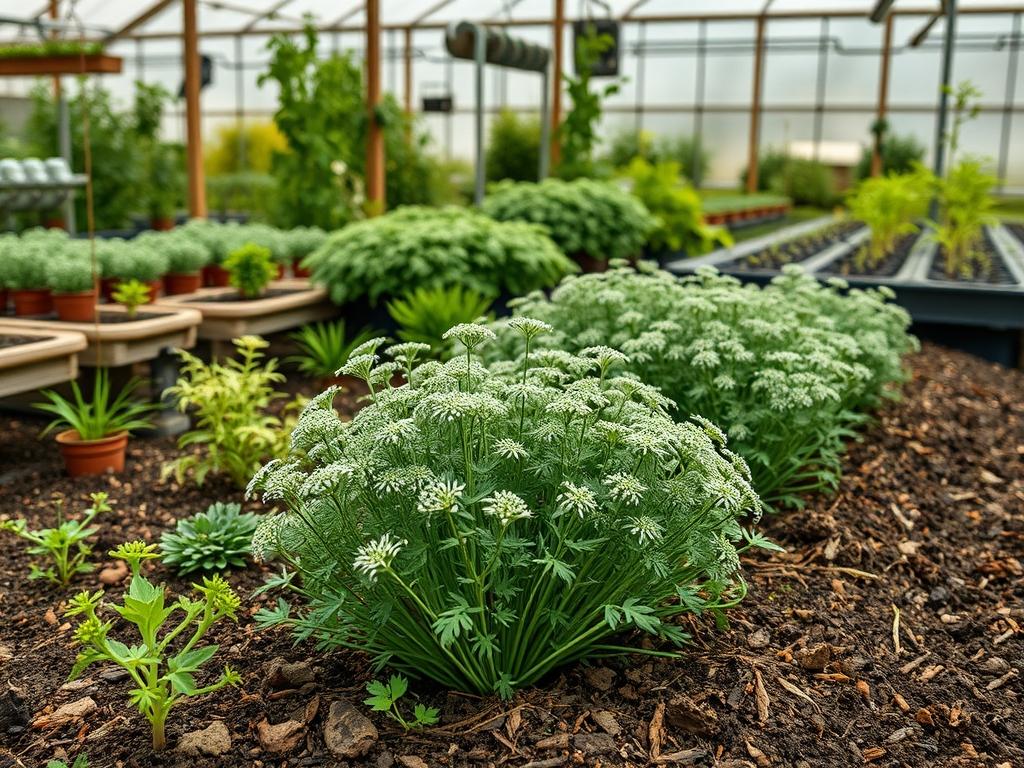
From a landscape architecture perspective, the height and airy nature of dill make it a versatile tool for creating visual layers. It can stand 36 to 60 inches tall, depending on the variety, making it an excellent candidate for the middle or back of a border. When planning an outdoor environment, one must consider how the skeletal structure of the plant will look as it transitions from its vibrant green phase to the tan, dried stage required for seed saving. This transition is not a failure of the landscape; rather, it is a deliberate design choice that celebrates the harvest. Proper site selection is paramount. The area must receive at least 6 to 8 hours of direct sunlight to ensure the seeds develop the full flavor necessary for effective pickling. Without adequate light, the plant may become leggy and collapse, ruining both the curb appeal and the harvest potential.
Landscape Design Principles
In professional landscape design, balance and symmetry are foundational. When incorporating dill for the purpose of saving seeds, it is helpful to treat the plant as a vertical accent. Because it is a biennial usually grown as an annual, its placement must be planned with succession in mind. Using dill in a symmetrical layout alongside more permanent structural elements, such as Boxwood or Yew, creates a focal point that draws the eye upward. The fine texture of the foliage acts as a contrast to broad-leaved plants, providing a sense of depth and complexity to the garden bed.
Elevation layers are another critical consideration. By planting dill behind lower-growing herbs like Thyme or Oregano, you create a tiered effect that maximizes the use of vertical space. This layering also serves a functional purpose; it protects the taller stalks from high winds that could cause them to snap before the seeds are ready for collection. If the landscape includes hardscaping like a stone patio or a gravel path, the dill should be placed where it can be easily accessed without trampling other plants. Irrigation planning must also be precise. While dill requires consistent moisture to grow, the seed heads need to remain relatively dry as they mature to prevent mold. Siting the plants away from direct sprinkler spray and utilizing a drip irrigation system is the professional standard for maintaining plant health and seed quality.
Plant and Material Selection
Selecting the right variety and supporting materials is the first step toward a successful landscape and a flavorful harvest. The following table outlines the technical requirements for integrating dill into a professional garden plan.
| Plant Type | Sun Exposure | Soil Needs | Water Demand | Growth Speed | Maintenance Level |
| :— | :— | :— | :— | :— | :— |
| Mammoth Long Island | Full Sun | Well-drained, Loamy | Moderate | Fast | Low to Medium |
| Fernleaf Dill | Full Sun/Part Shade | Rich, Sandy | Moderate | Medium | Low |
| Bouquet Dill | Full Sun | Well-drained | Moderate | Fast | Low |
| Dukat Dill | Full Sun | Compost-rich | Moderate | Medium | Low |
| Peat Moss | N/A | Amendment | N/A | N/A | N/A |
| Hardwood Mulch | N/A | Ground Cover | N/A | N/A | Low |
For those specifically focused on saving dill seeds for pickling, the Mammoth Long Island variety is the gold standard. It produces enormous umbels that hold a high volume of seeds. When selecting soil amendments, look for high-quality compost and vermiculite to improve drainage and aeration. A thick layer of organic mulch around the base of the plants will help regulate soil temperature and retain the moisture necessary for steady growth during the heat of summer.
Implementation Strategy
The implementation of a dill-focused landscape begins with proper grading and site preparation. You must ensure that the garden bed is graded to a 2 percent slope away from any structures to prevent water from pooling at the roots. Before planting, the soil should be tested for pH; a range between 6.0 and 7.0 is ideal for nutrient uptake. Once the site is prepared, delineate the edges of the bed using steel or stone edging to create a clean, professional finish. This separation prevents turf grass from encroaching on the herb garden and provides a clear boundary for maintenance.
When sowing the seeds, do so directly into the soil at a depth of 0.25 inches. Transplanting dill is notoriously difficult due to its long taproot, so direct sowing is the preferred method for landscape architects. Space the plants roughly 12 to 18 inches apart to allow for proper air circulation. As the plants reach about 12 inches in height, you may need to install discreet support structures. Simple bamboo stakes or thin green wire cages can prevent the heavy seed heads from drooping. Mulching should be done carefully; apply a 2-inch layer of shredded hardwood mulch, making sure to keep it away from the stems to prevent rot. As the umbels turn from a bright yellow to a dull green and finally to a light brown, the flavor concentration is reaching its peak. This is the moment when the “Saving Dill Seeds” process begins. Cut the stalks and place the heads in a paper bag to catch the seeds as they fall.
Common Landscaping Failures
One of the most frequent mistakes in herb gardening is improper spacing. When dill is planted too closely together, it creates a stagnant microclimate that encourages powdery mildew. This fungal issue not only looks unsightly on a professional landscape but also degrades the quality of the seeds. Another common failure is neglected drainage. Dill is highly susceptible to root rot if the soil remains saturated for more than 24 hours. Ensuring that your landscape plan includes a proper sub-base of gravel or sand in heavy clay areas can mitigate this risk.
Soil compaction is another silent killer of garden productivity. In areas with high foot traffic, the soil can become so dense that oxygen cannot reach the roots. Professional designers often include designated walkways made of flagstone or pavers to keep people out of the planting beds. Additionally, many gardeners fail to time the harvest correctly. If you wait too long to gather the seeds, they will scatter naturally into the wind, leading to thousands of “volunteer” plants the following season. While this might seem beneficial, it often results in a cluttered and disorganized landscape that lacks the intentionality of the original design.
Seasonal Maintenance
Seasonal management is what separates a professional landscape from an amateur one. In the spring, the focus should be on soil preparation and early sowing after the last frost date. Inspect all irrigation lines for leaks and ensure that the timers are set according to current rainfall patterns. As summer progresses, the primary task is monitoring for pests like the Black Swallowtail caterpillar. While these are beautiful butterflies, they can defoliate a dill plant in days. A balanced approach involves planting enough dill to share with the wildlife while still preserving the main harvest for seed saving.
Autumn is the most critical window for the pickling enthusiast. This is when the seed heads are dried and harvested. Once the seeds are removed, the remaining plant matter should be cleared to the ground to prevent disease from overwintering in the soil. Finalizing the garden for winter includes applying a fresh layer of mulch and perhaps planting a cover crop like Clover or Winter Rye to protect the soil structure. In the winter months, your time should be spent reviewing the year’s performance and ordering new seeds for the next cycle. This cyclical process ensures that each year the landscape becomes more efficient and the flavors of your saved seeds more potent.
Professional Landscaping FAQ
How do I know when the seeds are ready for saving?
The seeds are ready when the umbel turns a light tan color and the seeds feel dry to the touch. If you shake the stalk and the seeds fall easily, they are at peak flavor and maturity.
Can I grow dill in containers in a small landscape?
Yes, use a pot at least 12 inches deep to accommodate the taproot. Ensure the container has excellent drainage and is placed in a sunny location to maximize the production of volatile oils for pickling.
Does dill attract beneficial insects to my garden?
Absolutely. The flowers attract ladybugs, lacewings, and predatory wasps. These insects act as a natural pest control system, protecting other plants in your landscape from aphids and mites without the need for chemical sprays.
What is the best way to store saved seeds?
Store thoroughly dried seeds in an airtight glass jar in a cool, dark place. Keeping them away from heat and light preserves the essential oils that provide the best flavor for your pickles throughout the year.
Why are my dill plants falling over?
Tall varieties often require staking or protection from high winds. Ensure they are planted in a sheltered area of the landscape or provide support once they exceed two feet in height to protect the developing seed heads.