Traditional privacy solutions often rely on static, non-functional barriers like wooden fences or sterile evergreen screens. However, a sophisticated landscape design can achieve sanctuary and seclusion while simultaneously providing a high-yield harvest. Designing edible hedges, or “fenceline orchards,” requires a balance between architectural structure and horticultural productivity. When we approach a site, we must evaluate the microclimate, solar orientation, and soil composition to ensure the living wall thrives across seasons. A well-executed edible hedge enhances curb appeal by adding texture and seasonal color, transitioning from spring blossoms to autumn fruit and foliage. Beyond aesthetics, these functional boundaries serve as windbreaks and sound dampeners, significantly improving the outdoor living experience and the property value.
Landscape Design Principles
Successful edible hedging begins with a firm understanding of visual balance and spatial organization. We start by establishing the primary sightlines from the main windows of the residence. A hedge should not merely be a line; it should be a curated boundary that incorporates symmetry and carefully placed focal points. If the property has significant elevation changes, we utilize Retaining Walls or terraced grading to create level planting pockets. This prevents erosion and ensures that irrigation water reaches the root zones rather than running off.
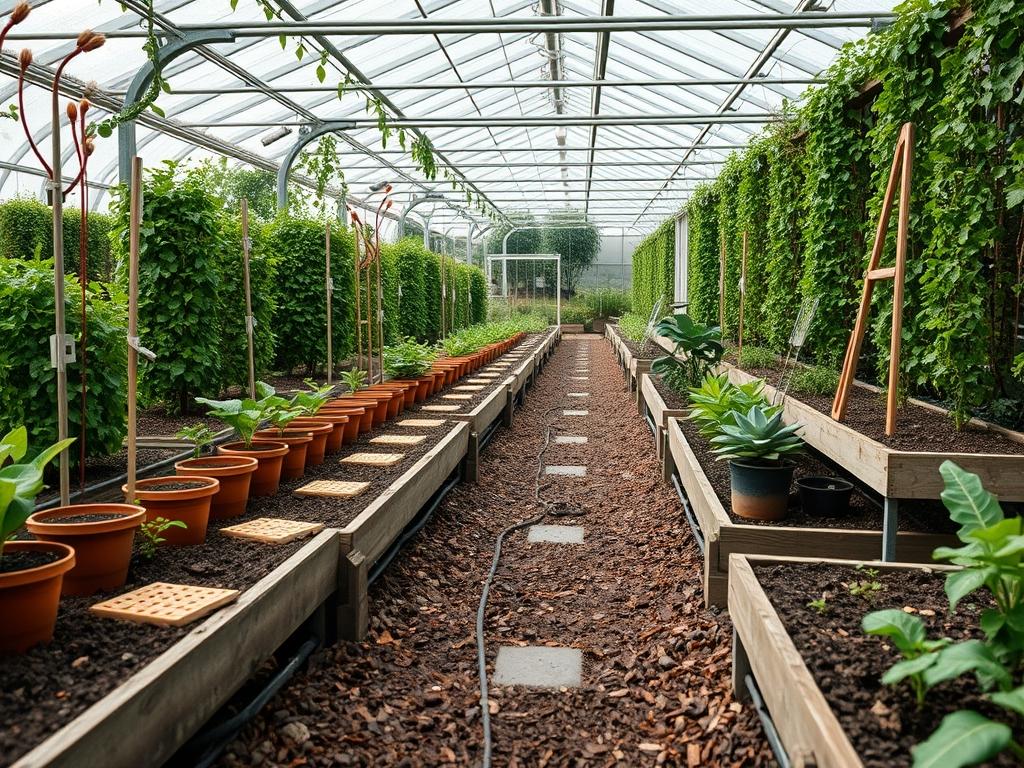
Elevation layers are critical for a professional finish. We typically design in three tiers. The edible hedge serves as the structural backbone, while secondary layers of perennial herbs like Rosemary or Lavender sit at the mid-height. Ground-covering edibles such as Alpine Strawberries populate the lowest tier. This layering maximizes the use of vertical space and creates a dense, impenetrable screen. Walkways should be planned with a minimum width of 36 inches to allow for comfortable maintenance and harvesting access. Furthermore, incorporating hardscaping elements like Gravel Paths or Flagstone provides a clean contrast to the organic forms of the shrubs.
Irrigation planning is another pillar of professional design. Edible plants have higher metabolic demands than standard privacy shrubs like Boxwood. We recommend a dedicated Drip Irrigation System with pressure-compensating emitters. This delivery method minimizes water waste and prevents fungal issues by keeping the foliage dry. By zoning the irrigation based on the specific water needs of each species, we ensure the longevity and health of the entire landscape installation.
Plant and Material Selection
| Plant Type | Sun Exposure | Soil Needs | Water Demand | Growth Speed | Maintenance Level |
| :— | :— | :— | :— | :— | :— |
| Pineapple Guava | Full Sun | Well-drained | Low | Moderate | Low |
| Blueberry (Highbush) | Full Sun | Acidic (pH 4.5 to 5.2) | Moderate | Moderate | Medium |
| Serviceberry | Full Sun to Part Shade | Loamy/Well-drained | Moderate | Fast | Low |
| Natal Plum | Full Sun to Part Shade | Sandy/Saline tolerant | Low | Moderate | Medium |
| Elderberry | Full Sun | Moist/Rich | High | Fast | Low |
| Pomegranate | Full Sun | Versatile/Alkaline tolerant | Low | Moderate | Low |
| Honeyberry | Part Shade | Rich/Organic | Moderate | Moderate | Low |
Implementation Strategy
The implementation phase begins with professional Grading. We must ensure that the site slopes away from the home foundation while maintaining a level plane for the hedge line. Once the grade is established, we use Mechanical Augers to dig a continuous trench rather than individual holes. This loosening of the soil prevents the glazing of hole walls and encourages lateral root expansion. If the soil is heavy clay, we incorporate Expanded Shale or Coarse Sand to improve porosity.
Edging provides the crisp definition required for high-end landscapes. We prefer 14-gauge Steel Edging or Belgium Block to separate the hedge bed from the turf. This prevents invasive grass roots from competing with the hedge for nutrients. After the plants are positioned at the correct depth, ensuring the root flare is slightly above the soil line, we apply a 3-inch layer of Hardwood Mulch. This mulch layer suppresses weeds and regulates soil temperature.
Drainage is non-negotiable in an edible landscape. If the site has low spots, we install a French Drain or a Dry Well to manage excess runoff. For material sourcing, we select 3-gallon or 5-gallon containers for a balance between immediate impact and successful establishment. Larger specimens may take longer to recover from transplant shock, while smaller plants often catch up within two growing seasons due to faster root integration.
Common Landscaping Failures
The most frequent mistake in hedge design is improper spacing. Designers often plant for immediate density, which leads to root overcrowding and poor air circulation within three years. This lack of airflow invites powdery mildew and scale insects. We calculate spacing based on the mature width of the species, usually placing plants at 75 percent of their ultimate spread to ensure they knit together without choking each other.
Soil compaction is another silent killer. During construction, heavy machinery compresses the soil, destroying the pore space necessary for oxygen and water movement. We use Broadforks or Radial Trenching to decompact areas near the root zones before planting. Furthermore, neglect of soil pH creates nutrient lockout. For instance, Blueberries will fail to thrive in alkaline soil regardless of how much fertilizer is applied. We always perform a Soil Audit to determine if elemental Sulfur or Lime is needed to correct the chemistry.
Irrigation inefficiencies often stem from a lack of “hydro-zoning.” Mixing high-water plants like Elderberry with drought-tolerant species like Pomegranate on the same valve leads to either root rot or stunted growth. Finally, a failure to plan for the “hidden” infrastructure, such as utility lines or drainage pipes, can lead to costly repairs if roots interfere with underground systems. We suggest maintaining a 5-foot buffer between large shrubs and primary utility conduits.
Seasonal Maintenance
Maintenance is divided into four distinct phases to optimize both fruit production and privacy density. In the Spring, we focus on structural pruning. Using Bypass Pruners, we remove the “three Ds”: dead, damaged, or diseased wood. This is also the time to apply a balanced, Organic Slow-Release Fertilizer to support the flush of new growth. We check the Drip Emitters for clogs and adjust the Irrigation Controller for the increasing temperatures.
Summer maintenance revolves around water management and “summer pruning.” Some species, such as Espaliered Apples or Pears, require thinning to allow sunlight to reach the ripening fruit. We monitor for pests and use Horticultural Oils if necessary. Keeping the Mulch at a consistent depth of 3 inches is vital during heat waves to prevent root desiccation.
Autumn is the season for harvesting and sanitation. We remove fallen fruit and debris to prevent pests from overwintering in the soil. This is also the ideal time to add a top-dressing of Compost to the base of the plants, providing a nutrient boost that will break down over the winter. We gradually reduce irrigation frequency as the plants enter dormancy.
Winter is about protection and planning. In colder climates, we may use Burlap Screens to protect evergreen edible hedges from winter desiccation. We perform “renewal pruning” on older hedges, removing up to one-third of the oldest canes at the ground level to stimulate vigorous new growth in the spring. This ensures the hedge remains dense from the bottom to the top, maintaining its primary function as a privacy screen.
Professional Landscaping FAQ
How long does it take for an edible hedge to provide full privacy?
Most edible shrubs reach a functional density within three to five years. Choosing fast-growing species like Serviceberry or Elderberry can accelerate this timeline. Proper soil preparation and consistent irrigation during the first two seasons are essential for rapid establishment.
Can I grow an edible hedge in a shaded area?
While most fruit-bearing plants prefer full sun, species like Honeyberry, Currants, and Alpine Strawberries thrive in partial shade. Expect slightly lower fruit yields in shaded spots; however, the foliage density will generally remain sufficient for light privacy screening and emerald aesthetics.
What is the best mulch for edible privacy screens?
We recommend Arborist Wood Chips or Shredded Bark. These materials decompose slowly, improving soil structure over time. Avoid dyed mulches or inorganic rocks; they do not provide the organic matter necessary for the high metabolic needs of fruit-producing hedge species.
Do edible hedges require more maintenance than standard hedges?
They require approximately twenty percent more labor due to harvesting and specific pruning needs. While a standard hedge is simply sheared, an edible hedge benefits from “thinning cuts” to maintain fruit quality. However, the nutritional and aesthetic rewards typically outweigh the additional time.
Are there edible hedges safe for properties with pets?
Yes, but selection is vital. Blueberries and Serviceberries are generally safe. However, you must avoid Natal Plum if you have curious pets, as the sap and certain parts can be toxic. Always cross-reference your plant list with veterinary safety databases during the design phase.