
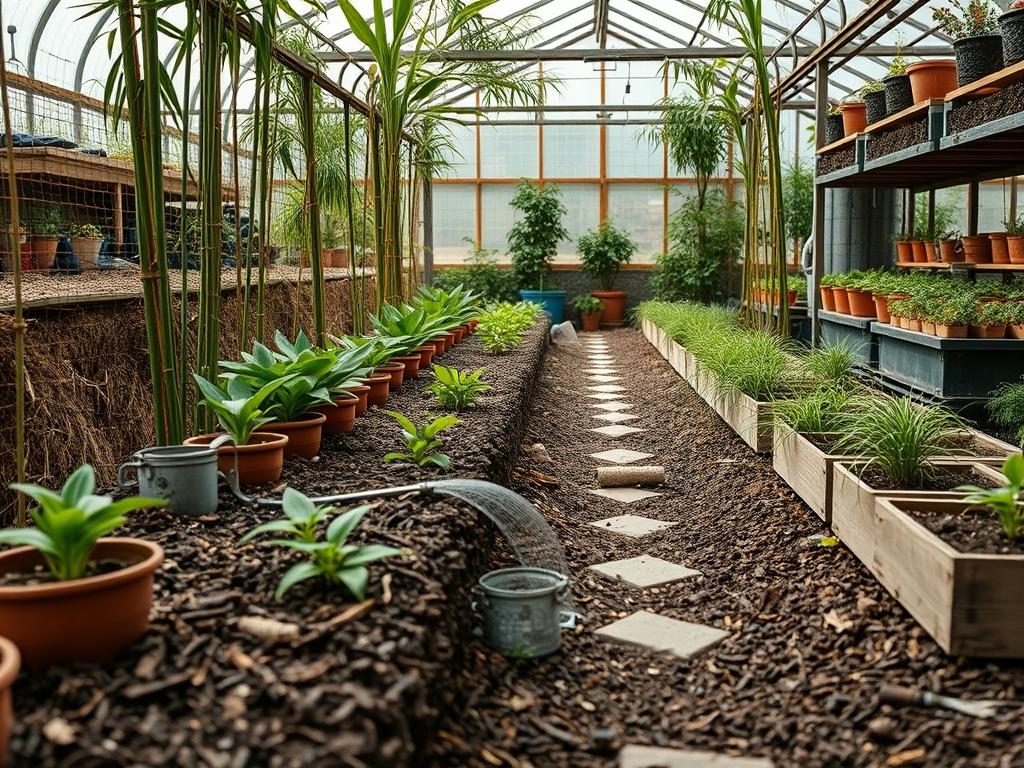
Modern landscaping requires a delicate balance between aesthetic elegance and ecological responsibility. As a landscape architect, I frequently see homeowners struggling to bridge the gap between high-end curb appeal and sustainable maintenance. One of the most significant challenges in maintaining a vibrant outdoor environment is managing soil health while ensuring the visual landscape remains pristine. Traditionally, wood chips or bark have been the primary choice for ground cover. However, the industry is shifting toward more efficient biological solutions. Using bamboo mulch has emerged as a premier strategy for those seeking a material that offers rapid nutrient cycling and a unique, refined texture. This material is not merely a byproduct; it is a high-performance tool that enhances the structural integrity of the soil through its fast decomposition rates and high silica content. When integrated into a professional design, it facilitates better water retention and temperature regulation, which are critical factors for the longevity of any residential or commercial installation.
Landscape Design Principles
Effective landscape design relies on the core principles of symmetry, focal points, and elevation layers to create a cohesive environment. When planning a garden that utilizes high-performance materials like bamboo, the designer must consider the visual weight of the ground cover. Using bamboo mulch provides a fine-textured, uniform appearance that allows focal points like specimen trees or architectural sculptures to stand out without competing for attention. Unlike bulky wood nuggets, the shredded nature of bamboo creates a smooth visual plane that reinforces the visual balance of a space.
Elevation layers are equally important. By utilizing retaining walls and tiered planting beds, we can direct the eye through the landscape. In these elevated zones, the weight of the mulch becomes a practical concern. Bamboo is significantly lighter than stone or dense hardwoods, making it easier to install on steep inclines or within raised planters. Furthermore, walkways should be defined by crisp edging, which prevents the mulch from migrating into high-traffic areas. From an irrigation planning perspective, the fine texture of this mulch allows for efficient water penetration, ensuring that moisture reaches the root zones of native plants rather than running off the surface. A well-designed landscape is a system where every element, from the drainage pipes to the top layer of mulch, works in concert to support the living architecture.
Plant and Material Selection
The following table outlines high-performing plant species that thrive when paired with the fast-decomposing nutrient profile of bamboo mulch.
| Plant Type | Sun Exposure | Soil Needs | Water Demand | Growth Speed | Maintenance Level |
| :— | :— | :— | :— | :— | :— |
| Japanese Maple | Partial Shade | Well-drained, acidic | Moderate | Slow | Medium |
| Switchgrass | Full Sun | Variable/Loamy | Low | Fast | Low |
| Hosta | Full Shade | Rich, moist | High | Moderate | Low |
| Boxwood | Full Sun/Part Shade | Loamy, neutral | Moderate | Slow | High |
| Azalea | Partial Shade | Highly acidic | Moderate | Moderate | Medium |
| Coneflower | Full Sun | Well-drained | Low | Fast | Low |
Implementation Strategy
The successful application of any landscape design begins with meticulous site preparation. Before using bamboo mulch, the area must be cleared of invasive weeds and debris. Grading is the next critical step; the soil should be sloped away from the foundation of the home at a minimum of two percent to prevent water accumulation. This ensures that the drainage system can handle heavy rainfall without washing away the lighter bamboo fibers.
Once the site is graded, edging should be installed to provide a permanent boundary between the mulch beds and turf areas. I recommend using heavy-duty steel edging or poured concrete borders for a professional finish. After the plants are positioned according to the design plan, the mulch should be applied at a consistent mulch depth of 2 to 3 inches. This depth is sufficient to suppress weed growth and retain moisture without suffocating the root systems of the plants. Unlike traditional wood mulches that can take years to break down, bamboo decomposes relatively quickly. To maximize this benefit, avoid using landscape fabric underneath the mulch. Direct contact with the soil allows microorganisms to interact with the bamboo, accelerating the release of nitrogen and silica back into the earth. Finally, conclude the installation by hand-tamping the edges and watering the beds thoroughly to settle the material.
Common Landscaping Failures
One of the most frequent mistakes in outdoor environment management is ignoring the nitrogen cycle. When using bamboo mulch, which has a high carbon-to-nitrogen ratio, the initial decomposition process can temporarily tie up nitrogen in the top layer of the soil. If homeowners do not account for this by providing a light application of nitrogen-rich fertilizer during the first season, they may notice yellowing leaves in their ornamental plants. This is often misdiagnosed as overwatering or disease.
Another common failure involves soil compaction. If the area is subjected to heavy foot traffic before the mulch is applied, the soil loses its porosity. This leads to irrigation inefficiencies where water sits on the surface, causing the bamboo mulch to mat together and become hydrophobic. Improper spacing is also a significant issue. Designers often plant for the current size of the nursery stock rather than the mature size of the plant. This leads to root overcrowding and poor air circulation, which can invite fungal pathogens. Lastly, failing to maintain the mulch depth is a recipe for failure. As bamboo decomposes, it thins out. If it is not replenished annually, the soil becomes exposed to sunlight, leading to rapid evaporation and a surge in weed germination.
Seasonal Maintenance
A professional landscape is not a static installation; it is a living system that requires seasonal adjustments. In the Spring, the focus should be on rejuvenation. This is the ideal time to rake the existing mulch to break up any surface crust that may have formed over the winter. If the bamboo has significantly decomposed, integrate it into the top inch of soil and apply a fresh 1-inch layer of new mulch to replenish the protective barrier. This is also the period to inspect irrigation systems for leaks or clogged nozzles.
During the Summer, the priority shifts to moisture management. High temperatures can cause even the best mulches to dry out. Monitor the soil moisture beneath the bamboo layer. Because bamboo is excellent at insulation, you will likely find the soil remains cooler than in un-mulched areas. In the Autumn, the landscape prepares for dormancy. Clear away fallen leaves from the surface of the mulch to prevent a thick mat from forming, as this can trap excessive moisture against plant stems and cause rot. In Winter, the goal is protection. Ensure a solid 3-inch layer of mulch is surrounding the root zones of tender perennials to guard against the freeze-thaw cycle. The silica provided by the decomposing bamboo will help strengthen the cellular structures of your plants, making them more resilient to the stresses of cold weather.
Professional Landscaping FAQ
How does bamboo mulch decompose so quickly?
Bamboo is a grass, not a wood. Its cellular structure is less dense than hardwoods like oak or cedar, allowing fungi and bacteria to colonize and break down the fibers more rapidly, which returns nutrients to the soil within a single growing season.
Will using bamboo mulch attract termites or other pests?
Bamboo lacks the specific oils and sugars that typically attract subterranean termites. Because it decomposes quickly and is often processed at high temperatures, it provides a less hospitable environment for wood-boring insects compared to traditional thick-bark mulches or wood chips.
Can I use bamboo mulch in a vegetable garden?
Yes, it is an excellent choice for food production. As it breaks down, it improves soil tilth and adds essential minerals. Ensure that the bamboo is sourced from a chemical-free provider to maintain the organic integrity of your edible crops.
How often should I replenish the mulch layers?
For the best aesthetic and biological results, you should add a fresh 1-inch topping every spring. Because of its fast decomposition rate, waiting longer than twelve months may result in exposed soil and a loss of moisture-retention benefits for your plants.
Does bamboo mulch change the soil pH?
Bamboo is generally pH-neutral. Unlike pine needles or certain barks that can acidify the soil over time, bamboo maintains a stable environment. This makes it a versatile option for a wide variety of plants, from acid-loving azaleas to alkaline-leaning perennials.