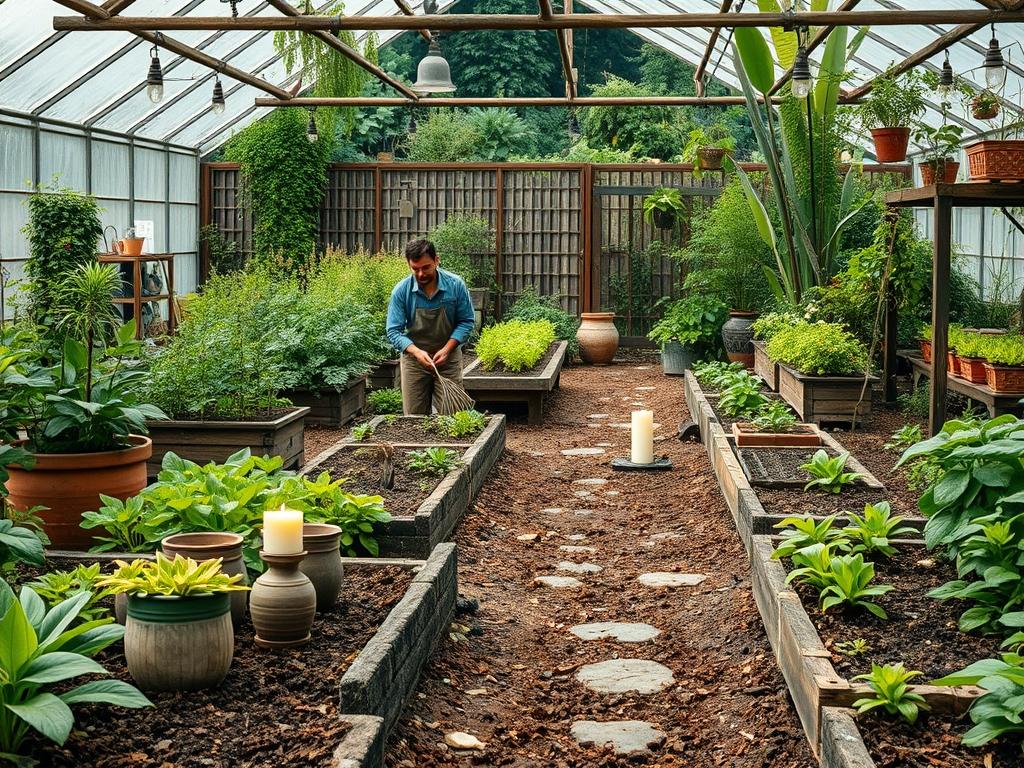
The integration of a functional harvest garden into a residential or commercial landscape requires a delicate balance between botanical productivity and architectural form. For those dedicated to Traditional Candle Making, the landscape is not merely an aesthetic backdrop but a primary source of raw materials including aromatic oils, decorative botanicals, and natural waxes. Designing such a space presents unique challenges, particularly in reconciling the often-wild growth patterns of high-yield herbs with the structured requirements of modern curb appeal. Climate considerations are paramount; most herbs required for candle scents, such as Lavender and Rosemary, thrive in Mediterranean microclimates characterized by lean soil and exceptional drainage. Achieving outdoor functionality goals means creating a space where harvesting is efficient and the visual transition from formal lawn to production garden is seamless. A well-executed design utilizes professional landscaping techniques to ensure that every square foot contributes to the craft while enhancing the overall value of the property. By prioritizing elevation, soil health, and strategic plant placement, a landscape architect can transform a simple backyard into a sophisticated botanical laboratory.
Landscape Design Principles
Successful herb-centric landscapes rely on the core principle of symmetry to provide a sense of order. When growing herbs for Traditional Candle Making, creating a central axis using a flagstone walkway or a double-sided border can ground the design. This symmetry allows the gardener to organize species by their harvest cycle while maintaining a clean, intentional look. Focal points are essential for directing the eye and providing a sense of purpose to the garden. This might include a weathered stone plinth, a classic sundial, or even a dedicated drying shed designed to mimic the architecture of the main residence. These elements serve as anchors, preventing the herb beds from appearing cluttered or neglected during the late summer when growth is most prolific.
Elevation layers are another critical component of the professional landscape. By utilizing retaining walls or tiered raised beds, a designer can create distinct zones for plants with different needs. Lower tiers might house moisture-loving species like Mint or Lemon Balm, which are frequently used for their essential oils. Upper tiers, which naturally drain faster, are ideal for woody perennials like Sage or Thyme. This verticality not only aids in botanical health but also reduces the physical strain of harvesting. Irrigation planning must be integrated into these layers from the outset. A drip irrigation system installed beneath a layer of shredded cedar mulch ensures that water reaches the root zones without wetting the foliage, which is vital for preventing the fungal issues that can ruin a harvest intended for candle infusions. Finally, visual balance is achieved by mixing textures. The fine, silvery foliage of Lavandula contrasts beautifully against the broad, dark green leaves of Sweet Bay, creating a tapestry that is as visually pleasing as it is fragrant.
Plant and Material Selection
| Plant Type | Sun Exposure | Soil Needs | Water Demand | Growth Speed | Maintenance Level |
| :— | :— | :— | :— | :— | :— |
| Lavender | Full Sun | Sandy, Alkaline | Low | Medium | High (Pruning) |
| Rosemary | Full Sun | Well-Drained | Low | Moderate | Low |
| Calendula | Full/Part Sun | Loamy, Rich | Moderate | Fast | Moderate |
| Lemon Balm | Part Shade | Moist, Fertile | High | Aggressive | Moderate |
| White Sage | Full Sun | Gritty, Poor | Very Low | Slow | Low |
| Thyme | Full Sun | Rocky, Dry | Low | Moderate | Low |
Implementation Strategy
The transition from a design concept to a physical garden starts with a rigorous site survey and grading process. For a garden geared toward Traditional Candle Making, ensuring a 2 percent slope away from the home is vital to protect the foundation while managing runoff. Begin by marking the garden perimeter with stake and string or layout paint. If the existing soil is heavy clay, excavation to a depth of 12 inches is often necessary to replace the substrate with a high-quality mix of topsoil, coarse sand, and organic compost.
Once the grade is established, hardscaping elements like edging should be installed. Using heavy-gauge steel edging or tumbled Belgian block provides a crisp line that prevents invasive herbs like Mint from migrating into the turf. Drainage is the next priority. In areas with poor percolation, a French drain composed of perforated pipe and 1-inch clean crushed stone can redirect excess moisture to a designated rain garden or dry well. After the infrastructure is set, the planting phase begins. Space herb specimens according to their mature width to ensure air circulation; for instance, Rosemary shrubs should be positioned at least 3 feet apart. Following planting, apply a 3-inch layer of mulch. For Mediterranean herbs, pea gravel or crushed oyster shells are often superior to wood mulch as they reflect light into the canopy and keep the crown dry. This meticulous approach ensures that the garden is both a powerhouse of production and a masterpiece of landscape engineering.
Common Landscaping Failures
The most frequent mistake in herb-focused landscaping is improper drainage management. Many species used in Traditional Candle Making are native to arid regions; when they are planted in low-lying areas or heavy clay without amendment, root rot is inevitable. This failure often stems from a lack of site-specific soil testing before implementation. Another common pitfall is root overcrowding. While a densely planted garden looks lush in the first month, the lack of airflow leads to powdery mildew and stunted growth within a single season. Overcrowding also makes harvesting difficult, as the gardener must navigate a tangled mess of stems to reach the high-quality botanical yields needed for candle production.
Improper spacing is closely linked to a failure to account for the mature size of perennial herbs. A small Rosemary start in a 4-inch pot can eventually grow into a 4-foot shrub that consumes walkways and obscures smaller plants. Furthermore, soil compaction is a silent killer in many gardens. Heavy foot traffic within the planting beds collapses the macropores in the soil, preventing oxygen from reaching the roots and leading to a decline in essential oil quality. Finally, irrigation inefficiencies, such as using overhead sprinklers, can be disastrous. Water trapped in the dense foliage of Lavender or Sage promotes disease and can dilute the potency of the fragrant resins that are so prized by candle makers.
Seasonal Maintenance
Spring is the season of renewal and structural assessment. As the soil warms, use bypass pruners to remove any winter kill from woody herbs. This is the optimal time to apply a light application of organic 5-10-5 fertilizer to stimulate new growth. Check the integrity of flagstone paths and re-sweep polymeric sand into the joints if necessary. As the rainy season begins, monitor the drainage after heavy storms to ensure no pooling occurs near the base of the aromatics.
In the summer, the focus shifts to harvesting and moisture management. For Traditional Candle Making, herbs should be harvested just before they flower when the oil concentration is at its peak. Use a serrated sickle or garden shears for large-scale harvests. Ensure that the drip system is functioning correctly during heatwaves, but avoid over-watering, which can lead to “leggy” growth with low scent profiles. Autumn is the time for cleanup and preparation. Trim back spent perennials and divide any overgrown clumps of Chives or Bee Balm. Apply a fresh layer of mulch to insulate roots against the coming frost. If you are in a colder zone, wrap sensitive species like Bay Laurel in burlap to protect them from desiccating winds. Winter is primarily a dormant season, but the landscape architect’s work continues with the maintenance of tools and the planning of the following year’s crop rotation. Keep the garden clear of heavy snow loads on fragile herb branches to prevent breakage.
Professional Landscaping FAQ
How do I choose the best location for an herb harvest garden?
Select a site with at least 6 to 8 hours of direct sunlight and well-drained soil. Proximity to the home facilitates easy harvesting for candle making, while a slightly elevated position prevents water stagnation and root rot.
What is the best mulch for Mediterranean herbs?
For herbs like Lavender and Thyme, use inorganic mulch such as pea gravel or crushed granite. These materials reflect heat upward and keep the plant’s crown dry, preventing the fungal diseases common with wood-based mulches.
How can I stop invasive herbs from taking over my landscape?
Install root barriers or use sunken containers for aggressive plants like Mint. Forging physical boundaries with steel edging or paving stones also helps contain root systems within their designated architectural zones.
Why are my herbs losing their scent after a few seasons?
Scent loss often results from over-fertilizing or excessive watering. Herbs produce the best oils when slightly stressed. Ensure your soil is not too rich and that you are using a consistent, targeted irrigation schedule.
Can I integrate herbs into my existing ornamental flower beds?
Yes, many herbs have high aesthetic value. Purple Basil and Silver Sage serve as excellent textural fillers. Ensure they share the same water and light requirements as your ornamental perennials to simplify seasonal maintenance.