Integrating a functional dye garden into a residential or commercial landscape requires a sophisticated understanding of both aesthetic architecture and botanical utility. The primary challenge for any landscape architect is to ensure that utilitarian plants, such as those grown for pigment, do not detract from the curb appeal or the structural integrity of the outdoor living space. When a client requests a garden specifically tailored for textile arts, Weld for Yellow Dyes stands out as the premier choice. Known botanically as Reseda luteola, Weld is a biennial herb that offers a unique vertical silhouette while producing the most lightfast and chemically stable yellow pigment available in the natural world. This plant fits perfectly into a xeriscaping plan or a naturalistic meadow design, provided the soil chemistry and drainage are managed with professional precision.
The planning process must account for the plant’s two-year life cycle. In the first year, Weld forms a low-lying rosette of dark green leaves that serves as an excellent ground cover or edging element. It provides a lush, textured mat that stabilizes the topsoil and prevents erosion. In the second year, the plant undergoes a dramatic transformation, sending up tall, slender flower spikes that can reach heights of 4 to 5 feet. This architectural shift requires a strategic placement within the garden’s elevation layers to ensure it acts as a backdrop rather than an obstruction. By understanding the climate considerations of the local region, a designer can position Weld to thrive in full sun and well-drained, alkaline soil, creating a landscape that is both visually striking and economically productive for the wool dyer.
Landscape Design Principles
Successful landscape design relies on the core tenets of symmetry and visual balance. When incorporating Reseda luteola, we treat the plant as a structural vertical element. Because its second-year spikes are narrow and airy, they provide a sense of transparency. This allows the designer to plant them in dense clusters without creating a visual wall that feels heavy or claustrophobic. Symmetry can be achieved by flanking a stone walkway or a central focal point with evenly spaced Weld groupings. This repetition guides the eye through the garden, creating a rhythmic flow that feels intentional rather than haphazard.
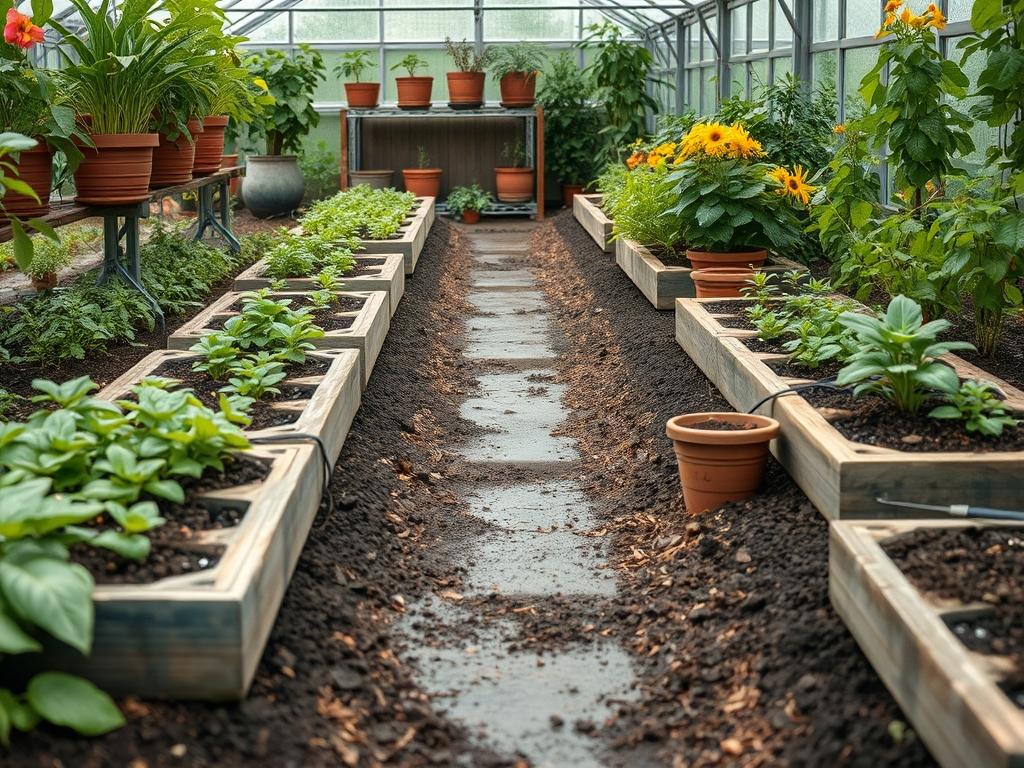
Elevation layers are critical in a dye-focused landscape. Weld should occupy the mid-to-back tier of a garden bed. Below it, lower-growing dye plants like Madder or Indigo can provide a full, bushy base. Above it, larger shrubs or ornamental trees like Serviceberry can provide a canopy. This layering technique mimics natural ecosystems, which improves biodiversity and soil health. Furthermore, we must plan for irrigation efficiency. Weld is drought-tolerant once established, so it should be grouped with other low-water species to prevent over-saturation. A drip irrigation system with pressure-compensating emitters is the preferred method for maintaining the precise moisture levels required for high-quality pigment production in the leaves and stalks.
Visual balance also concerns the color palette of the living landscape. While the goal is to produce Weld for Yellow Dyes, the plant itself remains green throughout much of its life. The flowers are a subtle yellowish-green, which acts as a neutral bridge between high-contrast flowering perennials. This neutrality allows the architect to play with bold textures in the hardscaping, such as weathered cedar or dark slate, without clashing with the plant material.
Plant and Material Selection
| Plant Type | Sun Exposure | Soil Needs | Water Demand | Growth Speed | Maintenance Level |
| :— | :— | :— | :— | :— | :— |
| Reseda luteola (Weld) | Full Sun | Alkaline / Calcareous | Low | Moderate | Low |
| Genista tinctoria | Full Sun | Sandy / Poor | Low | Slow | Medium |
| Coreopsis tinctoria | Full Sun | Loamy / Well-drained | Moderate | Fast | Medium |
| Isatis tinctoria (Woad) | Full / Partial | Nitrogen-rich | Moderate | Fast | High |
| Anthemis tinctoria | Full Sun | Gravelly / Dry | Low | Moderate | Low |
Implementation Strategy
The transition from a design blueprint to a physical garden requires a meticulous implementation strategy. First, the site must be prepared through professional grading. A 2 percent slope away from the home’s foundation is essential to ensure proper drainage. If the site consists of heavy clay, the soil must be amended with coarse sand and organic compost to increase aeration. Once the grade is established, we mark the layout using landscape marking paint to define the boundaries of the dye beds and the paths.
Hardscaping should be installed before any planting begins. This includes building retaining walls if the elevation changes significantly, or laying down flagstone for walkways. For a dye garden, using local stone provides an earthy aesthetic that complements the wild nature of the plants. After the structural elements are in place, the irrigation lines are buried at a depth of 8 to 12 inches to protect them from garden tools.
When planting Weld, we recommend a spacing of 12 to 18 inches between rosettes. This allows for adequate air circulation, which is vital for preventing fungal diseases in humid climates. Once the plants are in the ground, a 2-inch layer of organic mulch, such as shredded hardwood or leaf mold, is applied across the beds. This helps retain moisture during the establishment phase and suppresses weed competition. For Weld specifically, ensuring the mulch does not touch the crown of the plant is critical to prevent rot. The final step is the installation of edging, which provides a crisp finish and prevents turf grass from encroaching on the specialized dye plants.
Common Landscaping Failures
The most common failure in a dye garden is poor drainage management. Weld is particularly sensitive to “wet feet,” and its roots will rot quickly if the soil remains waterlogged. Many amateur gardeners fail to account for the slow percolation rates of clay soils. Without proper testing and amendment, the investment in high-quality seedlings is often lost. Another frequent mistake is root overcrowding. Because Weld can grow quite wide in its first year, designers often underestimate the space needed for the plants to reach their full potential. Overcrowding leads to poor air circulation and a significant decrease in the luteolin content of the plant, which is the primary chemical needed for the purest yellow dyes.
Soil compaction is another silent killer of healthy landscapes. During the construction of patios or outdoor kitchens, heavy machinery often compresses the earth, destroying the soil structure. This makes it impossible for the taproots of plants like Weld to penetrate deep into the ground. Architects must ensure that any compacted areas are mechanically aerated before planting. Finally, irrigation inefficiencies, such as using overhead sprinklers, can lead to leaf spotting and nutrient leaching. Always opt for targeted root-zone watering to maintain the health and pigment density of the crop.
Seasonal Maintenance
Seasonal care ensures the longevity of the landscape and the quality of the harvest. In the Spring, the focus is on thinning out any self-seeded Weld plants that have strayed from their designated beds. This is also the time to apply a balanced, slow-release fertilizer if the soil test indicates a nutrient deficiency. Monitor the irrigation system for leaks or clogged emitters as the weather warms up.
In the Summer, the second-year Weld plants will begin their rapid vertical growth. Depending on the wind exposure of the site, some plants may require light staking with bamboo poles or jute twine to keep the tall spikes upright. This is also the primary harvest window. For the purest yellow dyes, harvest the stalks when the flowers are in full bloom but before the seeds have completely turned brown. Removing the stalks at this peak moment ensures the highest concentration of luteolin.
During the Autumn, the first-year rosettes should be inspected for pests and cleared of fallen debris. This is a good time to add a fresh layer of mulch to protect the roots from the coming frost. If you intend for the garden to be self-sustaining, leave a few flower spikes to drop their seeds. In Winter, maintenance is minimal. The main task is to protect the landscape from salt damage if it is located near a driveway or road. Ensure that any hardscaping is cleared of snow carefully to avoid mechanical damage to the dormant plants.
Professional Landscaping FAQ
Why is Weld preferred over other yellow dye plants?
Weld contains exceptionally high levels of luteolin, a flavonoid that creates a lightfast, vibrant yellow. Unlike many yellow dyes that fade or turn brown, Weld maintains its purity and brilliance on wool fibers for decades under proper care.
Does Weld require specific soil pH levels?
Weld thrives in alkaline or calcareous soils with a pH between 7.0 and 8.0. If your soil is acidic, you must apply garden lime to raise the pH level, as this ensures the plant can effectively synthesize pigment.
Can I grow Weld in a small urban backyard?
Yes, its vertical growth habit makes it ideal for small spaces. By using retaining walls or raised beds, you can control the soil quality and drainage, allowing Weld to serve as a stunning, space-saving focal point in a compact design.
How does Weld contribute to a sustainable landscape?
Weld is a low-maintenance, drought-tolerant plant that attracts pollinators like bees and butterflies. It requires minimal chemical intervention once established, making it a perfect candidate for eco-friendly, sustainable garden layouts that prioritize local biodiversity and natural resources.
What is the best way to prevent Weld from spreading?
Weld is a prolific self-seeder. To prevent it from dominating your landscape, harvest the flower spikes before the seed pods open. Using a 3-inch mulch layer also helps inhibit the germination of stray seeds in undesired areas of the garden.