
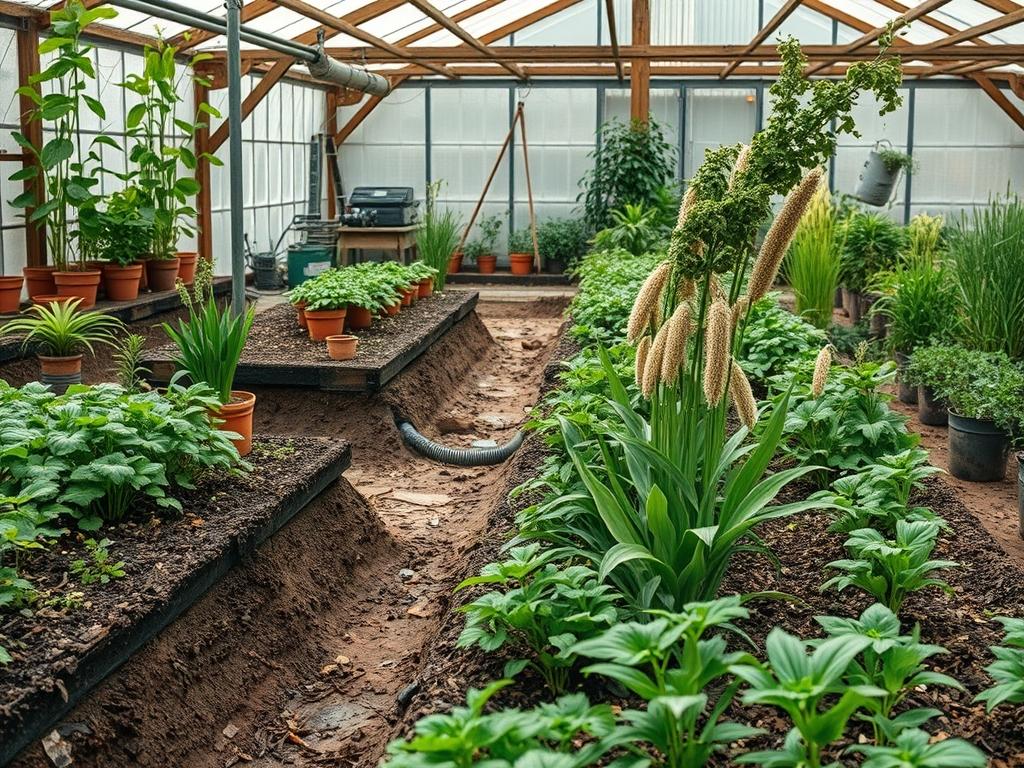
Integrating raw material production into a refined domestic landscape requires a sophisticated approach to spatial organization. While Linum usitatissimum, or common flax, offers a delicate aesthetic with its pale blue flowers, the logistical requirements of flax fiber processing introduce unique demands on the outdoor environment. Specifically, the homeowner must balance the visual appeal of a residential property with the functional necessities of harvesting, drying, and retting. Retting is the process of using moisture to break down the natural pectins that bind the fibers to the woody stem. This phase requires dedicated space, either in the form of a well-maintained lawn for dew retting or a specialized area for water retting tanks. Proper landscape planning ensures that these utility zones do not detract from the home’s curb appeal or structural integrity. By treating the flax field as a structured element of the garden, rather than an afterthought, the landscape remains both productive and beautiful. Climate plays a significant role in this planning. Areas with high humidity require superior air circulation to prevent premature rot, while arid regions might need supplemental irrigation to facilitate the retting process.
Landscape Design Principles
A successful landscape design for fiber production hinges on the principle of the “Utility-Ornamental” hybrid. To maintain high-end aesthetics, designers should utilize symmetry to frame the flax-growing areas. Placing the flax in large, rectangular plots creates a formal parterre appearance that mimics traditional European estate gardens. These plots should be surrounded by defined steel edging or stone borders to prevent the crop from appearing like a wild weed patch. Focal points are essential for directing the eye away from the post-harvest clutter. A well-placed stone fountain or a large obelisk can serve as a visual anchor while the flax is in its drying or retting stages, which are inherently less attractive than the blooming phase.
Elevation layers are equally critical. Ideally, the growth plots should be slightly elevated using retaining walls or sloped grading to ensure that excess moisture does not pool around the roots. For those engaging in flax fiber processing, the transition between the garden and the processing area must be seamless. This involves planning 36-inch wide walkways that can accommodate garden carts or wheelbarrows. Using porous materials for these paths, such as decomposed granite or permeable pavers, supports heavy foot traffic without creating mud. Additionally, irrigation planning should prioritize subterranean systems. Drip irrigation lines buried 4 inches below the soil surface provide consistent moisture to the crop while keeping the foliage dry, which is vital for preventing fungal diseases in high-density flax plantings.
Plant and Material Selection
The following table outlines the species and materials best suited for a landscape integrated with flax fiber processing.
| Plant Type | Sun Exposure | Soil Needs | Water Demand | Growth Speed | Maintenance|
| :— | :— | :— | :— | :— | :— |
| Linum usitatissimum | Full Sun | Loamy/Well-Draining | Moderate | Fast (90 days) | Low |
| Lavandula angustifolia | Full Sun | Sandy/Alkaline | Low | Moderate | Prune Annually |
| Trifolium repens | Full/Partial | Versatile | Moderate | Fast | Mow Regularly |
| Buxus microphylla | Full/Partial | Rich/Clay-Loam | Moderate | Slow | High (Shearing) |
| Festuca arundinacea | Full/Partial | Deep/Clay | Moderate | Fast | Weekly Mowing |
| Salvia officinalis | Full Sun | Well-Draining | Low | Moderate | Deadheading |
Implementation Strategy
The first step in implementing a fiber-centric garden is professional grading. The land must be surveyed to identify the natural watershed of the property. For a flax processing area, a 1 percent to 2 percent slope is ideal as it allows water to move away from the retting site without causing erosion. Once the grade is established, designers should install a geotextile fabric beneath any hardscaped paths to prevent weed intrusion and soil shifting. The planting beds require deep preparation. Excavate the soil to a depth of 12 inches and incorporate 2 inches of organic compost to ensure the flax has the nutrients required for strong stem development.
For the retting zone, a dedicated Fescue lawn area is recommended. This area must be kept level and clear of debris. During dew retting, the flax stalks are laid out in thin layers on the grass. To maintain the health of the turf beneath, the landscape should include a sub-surface drainage system using 4-inch perforated PVC pipe encased in 3/4-inch clean crushed stone. This ensures that the increased moisture required for the retting process does not lead to soil compaction or anaerobic conditions in the lawn. Edging the processing area with granite cobbles or pressure-treated timber provides a clean boundary that signals the transition from the ornamental garden to the utility zone. Finally, apply a 3-inch layer of hardwood mulch to all non-grassy peripheral areas to suppress weeds and retain soil moisture for companion plants like Lavender or Boxwood.
Common Landscaping Failures
The most frequent error in designing for flax fiber processing is poor drainage planning. If the retting area sits in a low spot, the flax will stay too wet, leading to fiber degradation and foul odors that can permeate the residential space. Stagnant water also attracts pests and creates a breeding ground for mosquitoes. Another common failure is root overcrowding. Homeowners often plant flax too densely near permanent landscape fixtures like hedges or retaining walls. Because flax competes aggressively for nutrients, it can stunt the growth of nearby ornamental shrubs if a 24-inch buffer zone is not maintained.
Soil compaction is a silent killer in processing gardens. Constant foot traffic during the harvest can compress the soil, destroying its pore space and preventing oxygen from reaching the roots of future crops. Using walkway pavers or stepping stones is mandatory to prevent this. Furthermore, many planners fail to account for the acidic runoff that can occur during the retting process. If water retting tanks are used, the effluent must be neutralized or diverted away from sensitive species like Azaleas or Japanese Maples, which may not tolerate the specific bacterial load or pH shifts associated with decomposing flax stalks.
Seasonal Maintenance
Spring maintenance begins with soil testing and the application of balanced fertilizers. As the flax emerges, the focus shifts to weeding and monitoring the irrigation timers. It is essential to ensure that the water delivery is consistent during the first 45 days of growth. In early summer, as the flax nears maturity, landscape architects recommend a mid-season check of all retaining walls and pathway edging to ensure no shifting has occurred during the spring rains.
Autumn is the most intense period for flax fiber processing. Once the harvest is complete, the retting lawn must be raked and aerated to recover from the weight of the drying stalks. Apply a high-nitrogen top-dressing to the lawn to encourage root recovery before winter. During the winter months, the focus turns to hardscape maintenance. Inspect all stone walls for frost heave and clean the drainage grates to prevent ice dams. This is also the time to prune any Boxwood or Privet hedges that frame the flax plots, ensuring they maintain their sharp, geometric lines for the following growing season.
Professional Landscaping FAQ
How much space is needed for dew retting?
Ideally, you need a lawn area approximately 1.5 times the size of your planting plot. This allows the flax to be spread in thin, even layers without overlapping, ensuring consistent moisture exposure and preventing localized rot.
Can flax be grown in raised garden beds?
Yes, 12-inch deep raised beds are excellent for flax. They offer superior drainage and prevent soil compaction from foot traffic. Ensure the beds are at least 4 feet wide to maximize the yield for fiber processing.
Does retting damage the lawn?
If left too long, the shading can yellow the grass. However, rotating the stalks and maintaining a healthy Fescue or Rye base helps the turf recover. Strategic aeration and overseeding in the autumn will mitigate any temporary damage.
What is the best mulch for flax borders?
Use double-ground hardwood mulch. It breaks down slowly and provides a clean, dark contrast to the light green flax stalks. Avoid using straw mulch, as it can harbor pests that may migrate into your fiber crop.
How do I manage runoff from water retting?
Install a French drain system that leads to a dedicated bioswale. Use river rocks and moisture-loving plants like Sedge to naturally filter the water before it exits your property or enters the local groundwater table.