
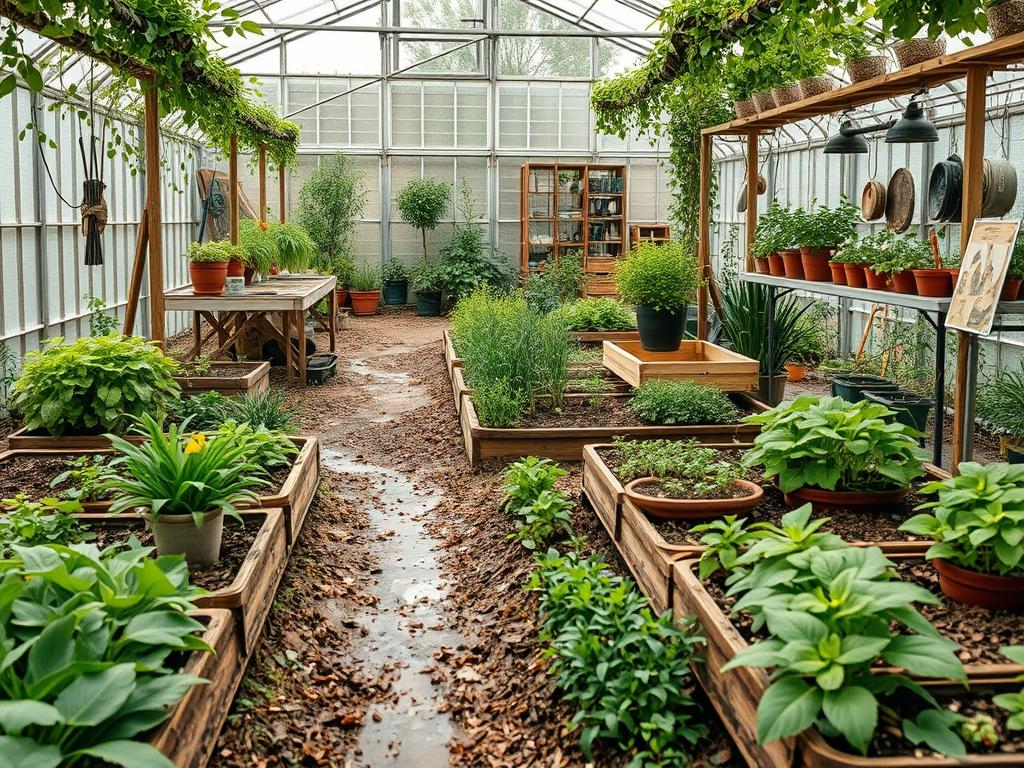
The integration of organic textures into a modern landscape requires a delicate balance between structured engineering and the raw aesthetics of nature. As landscape architects, we often encounter the challenge of creating outdoor spaces that feel both sophisticated and rooted in their local ecology. High-end residential designs frequently suffer from a lack of tactile diversity, where stone and concrete dominate to the point of sterility. This is where the utilization of Birch Bark Garden Crafts serves a functional and aesthetic purpose. By incorporating the peeling, monochromatic textures of Betula papyrifera or the deeper salmon hues of Betula nigra, designers can introduce a natural focal point that thrives across varying lighting conditions. Sustainable landscaping is no longer just about water conservation; it involves the responsible sourcing of materials that degrade gracefully or provide seasonal interest without requiring carbon-heavy manufacturing processes. When we discuss birch bark in a professional context, we are looking at a material that offers incredible tensile strength and water resistance. These properties make it an ideal medium for bespoke garden accents, such as custom-wrapped planters, organic signage, or decorative moisture-retaining layers in specialized perennial beds.
Effective landscape planning must account for the microclimates of a property. A north-facing slope requires a different approach to drainage and material selection than a sun-baked southern terrace. Birch bark accents work exceptionally well in cooler, temperate zones where the white bark provides a stark, stunning contrast against the dark blues and grays of a winter sky. Beyond mere decoration, these elements contribute to the curb appeal by providing a narrative of craftsmanship and environmental stewardship. Integrating birch-themed crafts involves understanding the lifecycle of the tree. We advocate for the use of bark harvested exclusively from fallen timber or construction-cleared sites to ensure the health of the standing forest remains uncompromised. This philosophy aligns with the goals of modern outdoor functionality, where every element must serve a dual purpose: enhancing the visual experience and supporting the long-term health of the ecosystem.
Landscape Design Principles
In professional landscape architecture, we rely on core principles to guide the transformation of a blank plot into a cohesive environment. Symmetry and visual balance are paramount. When using birch bark elements, designers must decide whether to use them as a structured focal point, such as a bark-clad architectural column for a pergola, or as a rhythmic repetition throughout a woodland walk. For example, a series of birch-covered bird nesting boxes mounted on Cedar posts can create a rhythmic line that leads the eye toward a distant water feature. This use of repetition helps anchor the design, preventing the “craft” element from feeling cluttered or accidental.
Elevation layers are another critical consideration. A successful garden is designed in three dimensions, utilizing a canopy, an understory, and a ground layer. Birch bark crafts can bridge these levels. Suspended bark lanterns might occupy the mid-level air space under a Japanese Maple, while birch-edged pathways define the ground plane. Irrigation planning must be subterranean to avoid unsightly black tubing, ensuring that moisture reaches the root zones of thirsty species like Hosta or Ferns without saturating the decorative bark elements, which could lead to premature fungal decay. Walkways should be planned with a minimum width of 36 inches to allow for comfortable passage, with bark-accented borders providing a soft transition between the hardscape and the lush planting beds.
Plant and Material Selection
Selecting the right biological partners for birch bark accents ensures the longevity of the design. The following table outlines optimal species that thrive in the same conditions favored by the Paper Birch.
| Plant Type | Sun Exposure | Soil Needs | Water Demand | Growth Speed | Maintenance Level |
| :— | :— | :— | :— | :— | :— |
| Betula nigra (River Birch) | Full Sun to Part Shade | Moist, Acidic | High | Fast | Medium |
| Matteuccia struthiopteris (Ostrich Fern) | Full Shade | Loamy, Wet | High | Moderate | Low |
| Hosta ‘Guacamole’ | Part Shade | Well-drained | Moderate | Fast | Low |
| Cornus sericea (Red Isier Dogwood) | Full Sun to Part | Adaptable | High | Fast | Low |
| Carex pensylvanica (Sedge) | Shade | Sandy/Dry | Low | Moderate | Very Low |
| Asarum canadense (Wild Ginger) | Full Shade | Rich, Organic | Moderate | Slow | Low |
For hardware and tools, we recommend using Stainless steel fasteners and Waterproof wood glue to assemble bark-based crafts. When shaping bark, a Utility knife with a fresh blade and a Heat gun can help soften the fibers for bending around curved surfaces like PVC piping or Terra cotta pots.
Implementation Strategy
The successful execution of a sustainable garden layout begins with grading. The land must be sloped away from any permanent structures at a minimum of 2 percent grade to prevent hydrostatic pressure against foundations. Once the primary grading is established, define the garden beds using Steel edging or Tumbled stone. This provides a clean break for the lawn and prevents the migration of Mulch.
When integrating Birch Bark Garden Crafts, start with the larger hardscape features. If you are creating a birch-veneer retaining wall, ensure the base is a solid Pressure-treated timber or Concrete block structure. Apply the bark as an aesthetic skin using Exterior-grade adhesive. For ground-level crafts, such as birch-covered path markers, bury the base of the support post at least 12 inches deep and surround it with Crushed gravel to facilitate drainage. This prevents the wood from sitting in standing water. Once the structures are in place, apply a 3-inch layer of organic Cedar mulch around the base of plantings to suppress weeds and retain moisture. Ensure that the mulch is pulled back 2 inches from the stems of plants and the trunks of trees to prevent bark rot and pest infestations.
Common Landscaping Failures
One of the most frequent mistakes in professional landscaping is the failure to account for root overcrowding. When planting birches or their companions, novice gardeners often place them too close to walkways or foundations. Over time, the aggressive root systems of a River Birch can lift heavy pavers or crack thin concrete. Another common issue is soil compaction. During the construction phase, heavy machinery often packs the earth so tightly that oxygen cannot reach the roots. We recommend using a Broadfork or Mechanical aerator to loosen the soil before any planting begins.
Drainage mistakes can also be fatal to a design. If a garden bed is built in a natural depression without an exit point for water, the roots will drown in anaerobic conditions. Installing a French drain or a dry creek bed lined with River rock can redirect excess runoff. Furthermore, irrigation inefficiencies, such as overhead sprinklers hitting decorative bark crafts, lead to white mold and structural failure of the craft. Drip irrigation emitters should be placed at the soil level, hidden beneath the mulch, to deliver water directly to the rhizosphere.
Seasonal Maintenance
A professional landscape requires a chronological management plan to remain vibrant. In the spring, the focus is on cleanup and rejuvenation. Remove any winter debris and apply a balanced, slow-release Fertilizer to promote new growth. This is also the time to inspect Birch Bark Garden Crafts for any signs of winter damage, such as peeling adhesive or frost-cracked wood.
During the summer, the primary goal is moisture management. Extreme heat can stress even established plants. Check the soil moisture levels at a depth of 4 inches periodically. If the soil feels dry, increase the irrigation frequency. In autumn, the focus shifts to leaf management. While fallen leaves are beneficial for soil nutrients, they should be cleared from the surface of bark-based crafts to prevent staining and rot. Finally, in the winter, protect sensitive plants with Burlap wraps and ensure that the birch bark accents are not buried under heavy snow piles cleared from driveways, as the weight and road salt can damage the delicate outer layers of the bark.
Professional Landscaping FAQ
How do I clean lichen off my birch bark crafts?
Use a soft-bristled Nylon brush and a mixture of mild soap and water. Scrub gently to avoid tearing the thin layers of bark. Rinse with a low-pressure garden hose and allow the piece to air dry completely in the sun.
Will birch bark crafts attract boring insects?
Bark harvested from dead trees may contain larvae. To prevent infestations, treat the bark with a Borate-based preservative before use. This non-toxic treatment protects the wood from beetles and termites while remaining safe for garden birds and beneficial insects.
Can I use fresh birch bark from living trees?
Never strip bark from a living tree. This interrupts the flow of nutrients in the Phloem layer and can kill the tree. Only use bark from fallen logs or branches pruned during routine maintenance using Bypass loppers.
How long do bark-based garden structures typically last?
In outdoor environments, untreated birch bark crafts generally last 3 to 5 years. Applying a UV-resistant Clear matte sealer can extend this lifespan to 8 years or more by protecting the material from moisture and sun degradation.
What is the best way to secure bark to a planter?
Use a combination of Waterproof construction adhesive and Copper tacks. The adhesive provides long-term bond strength, while the tacks hold the bark in place as the glue cures and add a decorative, rustic metallic element to the finished piece.