
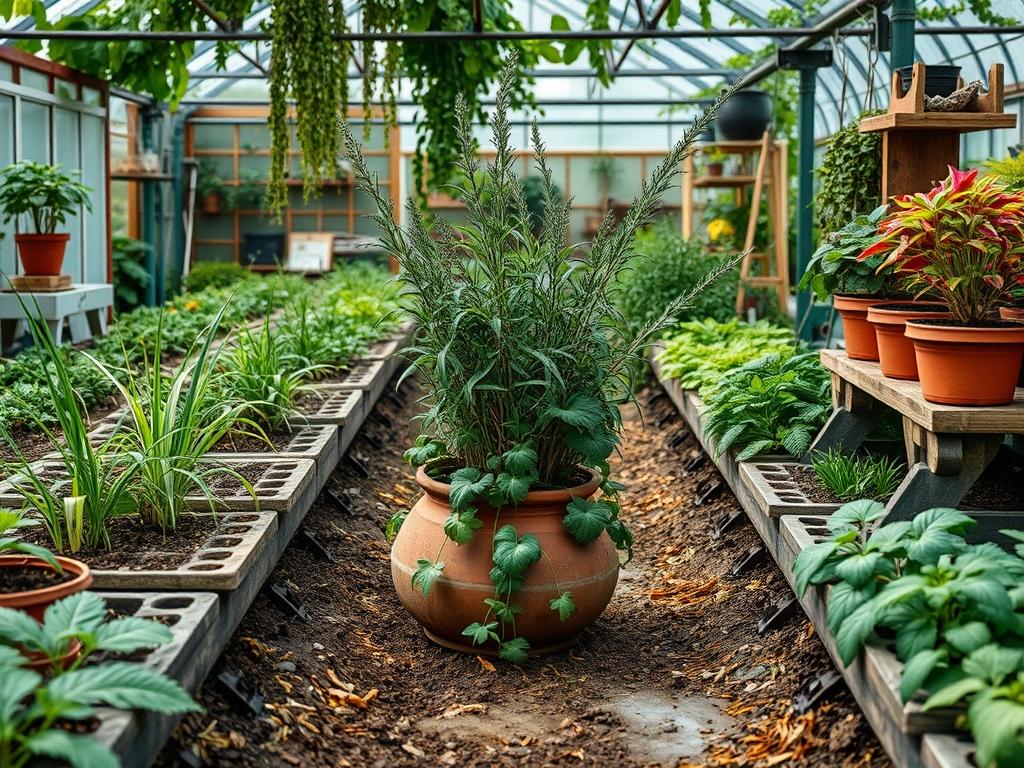
The modern landscape is often viewed as a static composition of stone, wood, and curated greenery, yet a truly functional outdoor environment provides both aesthetic beauty and raw utility. One of the most overlooked resources in the transition zones of a professional landscape is the stinging nettle, known botanically as Urtica dioica. Many contractors and homeowners view this plant as a nuisance that must be eradicated with herbicides or mechanical clearing; however, a sophisticated landscape architect views the nettle as a high-value source of structural fiber. Harvesting Nettles for Garden Twine bridges the gap between wild ecology and refined garden maintenance, offering a sustainable alternative to plastic ties and imported jute. By integrating a dedicated fiber zone into a master plan, a designer can enhance the site’s self-sufficiency while maintaining a rustic, organic charm that complements high-end hardscaping and diverse plantings.
When planning a property that includes functional fiber crops, the primary challenge is balancing accessibility with safety. Stinging nettles thrive in nitrogen-rich soils, often found near compost areas, stables, or the damp edges of a drainage swale. In a professional landscape design, these plants should be sited in a transition area where the manicured lawn gives way to softscaping or woodland edges. This allows the plants to fulfill their ecological role as a host for pollinators while remaining available for harvest without interfering with primary traffic patterns or outdoor living spaces. The tensile strength of processed nettle fiber is comparable to flax or hemp, making it an ideal material for securing climbing roses to a cedar pergola or tying back heavy stems of Paeonia after a summer rain.
Landscape Design Principles
Integrating a resource like Nettles for Garden Twine into a professional site plan requires a firm grasp of spatial hierarchy and visual balance. We start with the principle of zoning, placing the utilitarian fiber garden in “Zone 3” or “Zone 4,” where the maintenance level is lower but the soil quality remains high. This ensures the crop does not compete with the high-impact curb appeal of the front entryway or the pristine symmetry of a formal parterre.
Symmetry can still play a role in the functional garden. A “wilder” patch of nettles can be bordered by a low retaining wall of fieldstone or a crisp edge of weathered steel, which signals to the viewer that the growth is intentional rather than neglected. Focal points within this area can include a well-designed drying rack or a stone-paved processing station, which adds a sense of purpose to the space. Elevation layers are also vital; by placing nettles on a slightly higher grade or behind a screen of Salix (willow), the architect can hide the leggy, less attractive stalks of late summer while still allowing easy access for the harvesting crew.
Irrigation planning must account for the nitrogen needs of the nettle. Placing these beds near the outflow of a rain garden or a gray-water irrigation system provides the moisture and nutrients required for long, robust stalks. High-quality twine requires tall plants with few side branches, a growth habit encouraged by dense spacing and consistent moisture. Walkways leading to the harvest area should be surfaced with crushed granite or permeable pavers to prevent soil compaction, which can stunt the growth of the rhizomes.
Plant and Material Selection
The following table outlines the requirements for success when integrating fiber plants and supporting landscape elements into your outdoor environment.
| Plant or Material Type | Sun Exposure | Soil Needs | Water Demand | Growth Speed | Maintenance Level |
| :— | :— | :— | :— | :— | :— |
| Urtica dioica (Nettle) | Full Sun to Part Shade | High Nitrogen, Moist | Moderate to High | Rapid | Low to Medium |
| Salix viminalis (Willow) | Full Sun | Riparian, Damp | High | Very Fast | High (Pruning) |
| Crushed Basalt (Mulch) | N/A | Well-Drained | N/A | Static | Low |
| Cornus sericea (Dogwood) | Full Sun to Shade | Adaptable, Moist | Moderate | Fast | Medium |
| Quercus Bark (Mulch) | N/A | Acidic to Neutral | N/A | Static | Very Low |
| Miscanthus (Grass) | Full Sun | Average | Low to Moderate | Moderate | Low |
Implementation Strategy
Creating a system for harvesting Nettles for Garden Twine begins with the late summer harvest, typically when the plants are in full flower but before the seeds have fully hardened. This timing ensures the fibers have reached their maximum length without becoming too brittle or lignified. Using heavy-duty leather gloves and bypass pruners, the stalks should be cut at the base, near the soil line.
The first step in processing is stripping the leaves. This task should be performed on-site to return the nitrogen-rich foliage to the soil as a green mulch. Once stripped, the stalks are bundled and prepared for retting. Retting is a biological process where moisture and bacteria break down the pectins that bind the fibers to the woody core, known as the shive. In a professional landscape, dew retting is often the most efficient method. Lay the stalks in a thin layer over a section of fescue turf or a dedicated gravel pad. For a period of two to four weeks, the moisture from the morning dew and occasional rain will facilitate the breakdown of the plant tissues. The stalks must be turned every few days with a pitchfork to ensure even retting.
Once the bark begins to separate easily from the woody inner core, the stalks are dried. In a well-planned landscape, a covered porch or a ventilated garden shed serves as the ideal location for this phase. After drying, the stalks are broken by hand or with a custom-built flax brake to crack the woody center. The long, golden-brown fibers are then pulled away, a process known as decorticating. For the strongest twine, the fibers should be combed through a hackle, a tool with metal pins that aligns the strands and removes any remaining woody bits. Finally, the fibers are twisted together using a drop spindle or by hand-rolling them against the thigh, creating a two-ply cordage that is exceptionally strong and biodegradable.
Common Landscaping Failures
One of the most frequent errors in managing a landscape for fiber production is poor drainage. While nettles enjoy moisture, stagnant water leads to root rot and weak, brittle fibers that lack the tensile strength needed for garden tasks. Proper grading is essential; the soil should be pitched at a 2% slope to ensure excess water moves away from the root zone.
Another common failure involves improper spacing. If nettles are planted too far apart, they develop numerous side branches. These branches create “knots” in the fiber, which act as weak points in the finished twine. Dense planting encourages the stalks to race toward the sun, resulting in long, clean, unbranched stems. Soil compaction is also a significant hurdle. In high-traffic landscapes, the soil often becomes packed down, preventing the rhizomatous spread of the nettle. Installing defined timber-edged beds or using organic mulch like arborist wood chips can help maintain the soil structure and porosity.
Lastly, many homeowners fail to manage the “spread.” Nettles are aggressive growers and can quickly overtake a planned perennial border if not contained. A professional installation should include a subterranean barrier, such as a polyethylene root guard buried 12 inches deep, to keep the fiber patch within its designated footprint.
Seasonal Maintenance
Landscape management for a fiber-focused garden follows a distinct seasonal rhythm. In the spring, the focus should be on soil health. Apply a layer of well-rotted compost or a high-nitrogen organic fertilizer to the nettle beds as the first shoots emerge. This is also the time to inspect the irrigation emitters to ensure they are providing uniform coverage across the entire harvest block.
During the summer, the primary task is monitoring the growth and managing any invasive weeds that might compete with the nettles. If the weather is exceptionally dry, supplemental irrigation is necessary to prevent the stalks from becoming woody too early. By late summer, the harvest commences as described in the implementation strategy.
Autumn is the season for retting and processing. This is also the ideal time to clean up the landscape, removing any spent stalks and applying a thick layer of leaf mold mulch to protect the rhizomes from hard freezes. In the winter, the focus shifts to the tool shed. This is the period for spinning the retted fibers into finished twine, repairing harvest tools, and planning any hardscape additions, such as new trellises or split-rail fencing, that will utilize the handmade twine in the coming year.
Professional Landscaping FAQ
When is the best time to harvest nettles for the strongest fiber?
Harvest in late summer or early autumn when the plants are tall and flowering but before they turn brown. This timing ensures the highest cellulose content in the fibers, providing maximum tensile strength for heavy-duty garden applications.
How do I prevent nettles from taking over my ornamental garden?
Install a root barrier to a depth of 12 inches around the perimeter of the patch. Combining this with regular mowing of the surrounding lawn will prevent the rhizomes from encroaching into your manicured beds or turf areas.
Can I use the leftover nettle leaves in my landscape?
Yes, nettle leaves are an excellent source of nitrogen. They can be added to the compost pile or steeped in water to create a nutrient-rich “tea” fertilizer for feeding heavy-feeding shrubs like Hydrangeas or Roses.
What is the fastest way to ret the nettle stalks?
Water retting is faster than dew retting. Submerging the stalks in a pond or a large trough for 5 to 7 days will break down the pectins quickly, but it requires careful monitoring to ensure the fibers do not begin to rot.
Is handmade nettle twine durable enough for outdoor structures?
Nettle twine is remarkably durable and resistant to rot. When properly plied, it is strong enough to secure bamboo stakes or tie together a willow fence. It typically lasts one to two seasons before naturally biodegrades into the soil.