
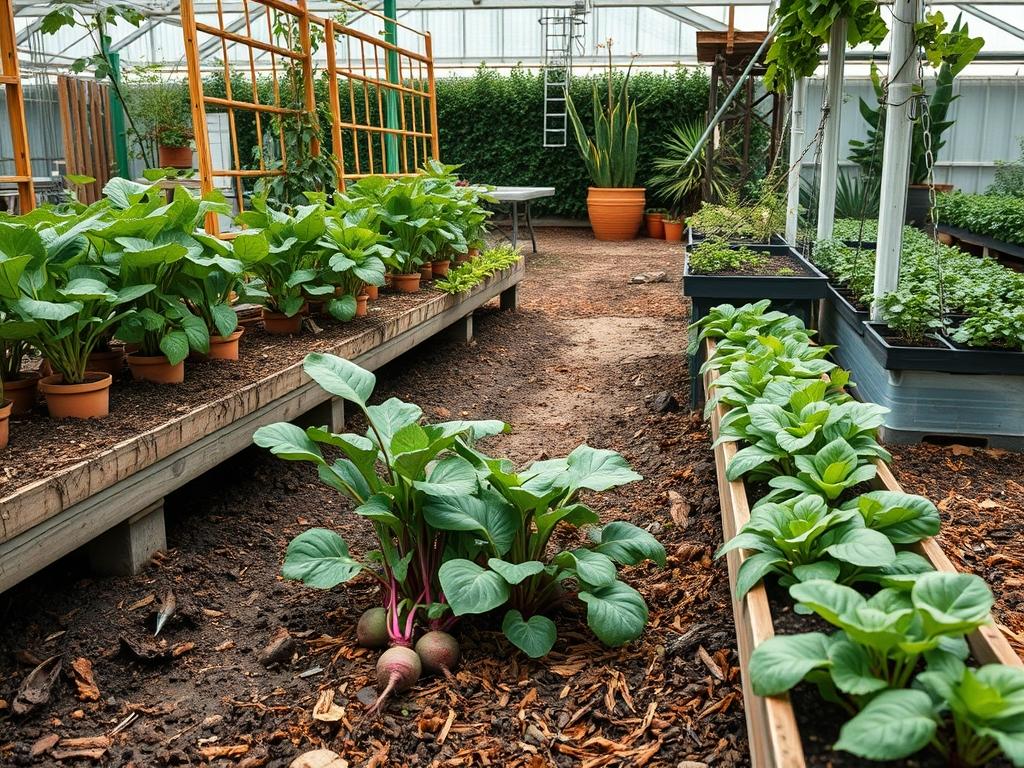
Integrating a biennial vegetable production cycle into a high-end residential landscape requires a nuanced understanding of plant life cycles and spatial management. Most homeowners view the kitchen garden through the lens of annual harvests; however, the process of Saving Biennial Beet Seeds introduces a two-year timeline that influences the structural layout of the outdoor environment. Beets, technically known as Beta vulgaris, perform their vegetative growth in the first year and produce flowers and seeds in the second. This necessitates a design that facilitates winter survival while maintaining the aesthetic integrity of the property. When planning for these crops, a landscape architect must balance the functional needs of the plant with the visual requirements of a manicured yard. Success depends on strategic placement, advanced drainage solutions, and a commitment to soil health that spans multiple seasons.
Designing for biennial crops involves more than just digging a hole in the dirt. It requires an architectural approach to the garden bed itself. Because the plants must remain in the ground through the harshest months of the year, the site selection must be impeccable. A landscape that incorporates Saving Biennial Beet Seeds should prioritize areas with maximum solar gain during the winter months. This often means placing seed-saving beds on the southern side of the home or utilizing Stone Retaining Walls to create a microclimate that absorbs and radiates heat. Symmetry plays a vital role here as well; matching beds can flank a central walkway, providing a sense of order even when the plants are covered by protective mulch. By treating the seed-saving zone as a focal point rather than an afterthought, the gardener ensures that the taller, lanky seed stalks of the second year appear intentional rather than messy.
Landscape Design Principles
Symmetry and focal points are the foundations of a professional garden layout. When designing a space for biennial production, use String Lines and Leveling Tools to ensure that rows or clusters are perfectly aligned with the hardscape features of the home. This geometric precision offsets the sprawling nature of mature beet plants during their reproductive phase. Elevation layers are equally significant. By utilizing Raised Beds at varying heights, typically 12 inches to 24 inches, you create a multi-dimensional visual interest that also serves a critical drainage function.
Walkways should be constructed from durable materials like Crushed Granite or Flagstone to allow for easy access during the muddy spring thaw. These paths should be at least 36 inches wide to accommodate garden carts and tools. Irrigation planning must be integrated into the initial design phase. A Drip Irrigation System with an automated timer is the gold standard for biennial crops. It provides consistent moisture to the roots without wetting the foliage, which is essential for preventing the fungal diseases that often plague plants over prolonged periods. Visual balance is achieved by interspersing the beets with permanent perennials or structural evergreens like Boxwood, which provide green architecture when the beets are dormant.
Plant and Material Selection
Selecting the right cultivars and hardscape materials is the difference between a thriving seed-saving project and a failed harvest. The following table outlines the specifications for beet varieties and the materials needed to support them throughout their two-year journey.
| Plant or Material | Sun Exposure | Soil Needs | Water Demand | Growth Speed | Maintenance Level |
| :— | :— | :— | :— | :— | :— |
| Detroit Dark Red | Full Sun | Sandy Loam | Moderate | Fast | Low |
| Bull’s Blood | Full Sun | Rich Organic | High | Medium | Medium |
| Cylindra Beet | Part/Full Sun | Deep Loam | Moderate | Medium | Medium |
| Pea Gravel | N/A | High Drainage | N/A | N/A | Minimal |
| Hardwood Mulch | N/A | Moisture Retentive | N/A | N/A | Seasonal |
| Burlap Fabric | N/A | Breathable | N/A | N/A | High-Winter |
The soil for Saving Biennial Beet Seeds should be a professional-grade mix of Compost, Perlite, and Topsoil. This mixture provides the necessary nutrients for the first year of root development and the second year of seed production while ensuring that the roots do not sit in stagnant water during the winter. Using Horticultural Fleece or Burlap as a material choice for winter protection allows the plants to breathe while shielding them from the desicicating effects of winter winds.
Implementation Strategy
The transition from a conceptual design to a physical landscape requires a step by step approach. Begin with a thorough site analysis to identify the natural grade of the land. A Transit Level or a simple Line Level can help determine where water will naturally flow. If the site is flat, you must create a manual grade of at least two percent to move water away from the beet crowns. Once the site is graded, install Metal Edging or Cedar Timbers to define the boundaries of the garden beds. This creates a crisp line between the lawn and the cultivation area, which is essential for curb appeal.
After the infrastructure is in place, focus on the soil. Incorporate Slow-Release Organic Fertilizer into the top 6 inches of the soil. When planting the beets in the first year, space them at 4 inch intervals. However, when you select the best specimens to keep for the second year, replant them with at least 12 inches of space to allow for the wide, branching seed stalks. As winter approaches, apply a layer of Straw Mulch at a depth of 6 to 8 inches. This acts as an insulating blanket for the roots. For those in colder climates, adding a Cold Frame constructed from PVC Pipe and Polyethylene Film can provide an extra layer of protection against freezing temperatures.
Common Landscaping Failures
The most frequent mistake in the process of Saving Biennial Beet Seeds is poor drainage. If the soil becomes compacted or lacks adequate drainage, the beet roots will succumb to Root Rot (Pythium) during the winter. This often happens because the gardener failed to check the soil texture or the bed’s elevation before planting. Another common failure is improper spacing. While beets can grow close together for a spring harvest, the plants destined for seed production require significantly more room for airflow. Crowding leads to Powdery Mildew and stunted seed growth.
Irrigation inefficiencies also take a toll. Many homeowners use Overhead Sprinklers, which are problematic for biennials. Water trapped in the dense foliage of a second-year beet plant promotes bacterial blight. Soil compaction is another silent killer; walking on the beds compresses the air pockets that roots need to survive the winter. Finally, failing to monitor the Soil pH can lead to nutrient lockout. Beets prefer a slightly alkaline to neutral pH, ideally between 6.5 and 7.5. If the soil is too acidic, the plants will struggle to develop the robust root system required for overwintering.
Seasonal Maintenance
Managing a landscape for Saving Biennial Beet Seeds is a year-round commitment. In the spring, your primary focus is on the transition of the surviving roots. Remove the heavy Winter Mulch gradually as the ground thaws. Once the new green shoots appear, install Bamboo Stakes or Wire Cages to support the tall flower stalks that will emerge. This prevents the plants from flopping over onto the walkways and maintains the clean lines of your landscape design.
During the summer of the second year, monitor the seed development closely. Use Pruning Shears to remove any diseased or dead foliage to keep the garden looking tidy. When the seeds turn brown and dry, harvest them into Paper Bags. In the autumn, the focus shifts back to the first-year crops that will be overwintered. This is the time to apply fresh Compost and prepare your insulating materials. Clean all Garden Tools and store them in a dry environment to prevent rust. In winter, maintain the protective covers and check for rodent damage. Field mice and voles often find the insulated beet beds to be an attractive home; using Hardware Cloth around the perimeter can deter these pests and protect your investment.
Professional Landscaping FAQ
What is the best way to prevent beet roots from rotting in winter?
The most effective method is ensuring superior drainage through Raised Beds and a sandy loam soil mix. Elevating the root crown above the surrounding grade prevents water from pooling during the freeze and thaw cycles of late winter.
How do I keep my beet seed beds looking professional?
Maintain crisp edges using Steel Edging and use consistent mulch materials like Double-Shredded Bark. Support the second-year seed stalks with architectural Steel Supports rather than flimsy plastic stakes to keep the garden looking structured and intentional.
When should I apply mulch for winter protection?
Apply Straw or Wood Chips only after the first hard frost. Applying it too early can trap heat and moisture, which encourages fungal growth or signals the plant to continue growing instead of entering its necessary dormant state.
Do I need a separate area for seed-saving beets?
While not strictly required, a dedicated “mother bed” allows you to manage the specific irrigation and spacing needs of biennial plants without interfering with the high-turnover management of your regular annual vegetable and flower beds.
How do I manage pests during the long biennial cycle?
Practice proactive management by using Floating Row Covers in the first year to ward off leaf miners. In the second year, encourage beneficial insects like Ladybugs by planting Alyssum nearby, which maintains the ecological balance of the landscape.