
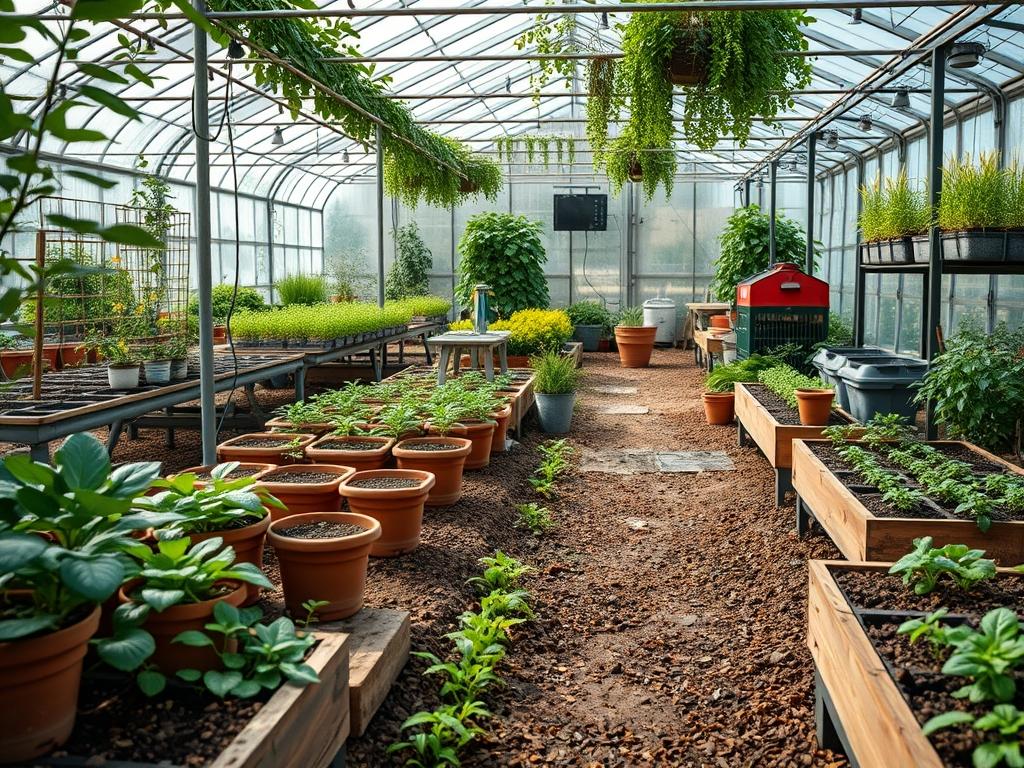
Modern landscaping often focuses on immediate gratification through the installation of mature, nursery-grown specimens that require intensive chemical inputs and constant irrigation to survive. This approach creates a fragile environment where plants are perpetually on life support. To achieve true ecological permanence and aesthetic resilience, professional designers are increasingly looking toward Landrace Seed Development as the ultimate tool for site-specific success. By selecting for plants that thrive in your specific microclimate, soil composition, and drainage patterns, you create a landscape that evolves with the land rather than fighting against it. This method shifts the focus from extrinsic maintenance to intrinsic hardiness, ensuring that your outdoor living spaces remain vibrant even during extreme weather shifts or periods of neglect.
The traditional landscape architect views the property as a canvas for static elements, yet a truly functional garden is a living organism. When you rely on mass-produced seeds or cloned varietals, you miss the opportunity to develop a unique botanical vocabulary tailored to your home. Landrace development involves planting wide genetic diversities of a single species and allowing the environment to select the survivors. Over several generations, the remaining plants become perfectly adapted to the Natural Grade and specific minerals of your soil. This creates a sustainable loop where the garden becomes more beautiful and less demanding every year. It is a process of deep observation, where the designer acts as a partner to nature, guiding the evolution of the space through strategic selection and thoughtful spatial planning.
Landscape Design Principles
Successful garden planning requires a balance between architectural structure and biological flexibility. When integrating landrace populations into a formal design, symmetry and focal points serve as the necessary anchors that prevent a diverse planting area from appearing chaotic. Use high-impact features like a Fieldstone Retaining Wall or a centrally located Stone Fountain to provide visual stability. These hardscaping elements create the “bones” of the garden, allowing the interior plantings to fluctuate and adapt without sacrificing the overall curb appeal. Visual balance is achieved by mirroring shapes rather than identical species, which allows for the genetic variability required for landrace success.
Elevation layers are critical for both aesthetic depth and practical drainage. By creating raised mounds or tiered planting beds using Topsoil and Compost, you provide different drainage environments for your seed trials. This variety in elevation allows you to identify which genetic lines prefer the well-drained heights and which thrive in the more saturated lower zones. Walkways should be planned to provide easy access for close observation. Using materials like Decomposed Granite or Permeable Pavers ensures that foot traffic does not lead to soil compaction, which is the primary enemy of deep root development. Always consider the sightlines from the main living areas of the home, placing the most vibrant selection plots where they can be appreciated daily.
Plant and Material Selection
| Plant Type | Sun Exposure | Soil Needs | Water Demand | Growth Speed | Maintenance Level |
| :— | :— | :— | :— | :— | :— |
| Cucurbita maxima | Full Sun | Loamy/Well-Drained | Moderate | Fast | Low (Post-Selection) |
| Zea mays | Full Sun | High Nitrogen | High | Very Fast | High (Pollination Control) |
| Phaseolus vulgaris| Partial to Full | Average/Sandy | Low | Medium | Minimal |
| Helianthus annuus | Full Sun | Adaptable | Low | Fast | Minimal |
| Brassica oleracea | Partial Sun | High Organic Matter | Moderate | Medium | Moderate |
| Solanum lycopersicum| Full Sun | Rich/Well-Drained | Moderate | Fast | High (Pruning/Support) |
Implementation Strategy
The first step in a professional layout is to establish the Subgrade through proper grading. You must ensure that water moves away from the foundation of the home at a minimum slope of One Inch per Foot for the first Ten Feet. Once the drainage is secured, use a Trench Edger to define the boundaries between turf areas and selection beds. This clean line provides the professional finish required for curb appeal, even when the interior of the bed is a wildly diverse population of developing landrace varieties.
Apply a layer of Landscape Fabric only under hardscape areas like paths. In the planting beds, utilize a 3-Inch Layer of Arborist Wood Chips or leaf mold. This organic mulch protects the soil microbes that are essential for plant health while allowing new seeds to be easily tucked into the soil. When planning your irrigation, install a Drip Irrigation System with adjustable emitters. This allows you to slowly reduce water delivery over several years, forcing the plants to develop deeper root systems and find their own moisture. For the first season, sow your seeds densely. As the season progresses, aggressively cull any individuals that show signs of disease or pest vulnerability. This “survival of the fittest” approach is the heart of landrace development.
Common Landscaping Failures
The most frequent mistake in new installations is poor drainage, which leads to anaerobic soil conditions and root rot. Many homeowners over-compact the soil during the construction phase using heavy machinery, making it impossible for seeds to penetrate the surface. Always use a Broadfork or Aerator to loosen the ground before planting. Another common failure is improper spacing. While landrace selection often starts with high-density sowing, failing to thin the population later in the season leads to root overcrowding and a lack of airflow. This stagnation invites fungal pathogens that can wipe out an entire generation of genetic progress.
Irrigation inefficiency is also a major hurdle. Many landscapes are designed with “set and forget” timers that deliver the same amount of water regardless of the weather. This masks the natural resilience of the plants. If a plant only survives because it is watered every morning, it will never become part of a hardy landrace. Soil compaction is often ignored until the plants begin to yellow. Without adequate pore space, the chemical exchange of nutrients cannot occur. Finally, many designers fail to account for the ultimate size of a plant, leading to “foundation choking” where large shrubs or tall grains block windows and airflow around the home structure.
Seasonal Maintenance
Spring is the season of preparation and initial selection. This is when you test the germination rates of the seeds saved from the previous year. Clear any debris from the Drainage Grates and apply a fresh 2-Inch Top-Dressing of finished Compost to give the young seedlings a nutrient boost. Monitor the soil temperature using a Soil Thermometer to ensure you are planting at the optimal time for each species. As the rain tapers off, begin to calibrate your irrigation system to provide only the minimum necessary moisture.
During the summer, the focus shifts to observation and culling. Identify the individuals that remain green during heat waves and those that resist the local pest population. This is the “trial by fire” phase. Deadhead spent blooms if you are not saving their seeds, but for your landrace lines, allow the most vigorous plants to go to full maturity. In the autumn, harvest your seeds carefully, labeling them by their specific location in the garden. Use a Leaf Blower or Rake to clear paths, but leave much of the organic matter on the beds to decompose and protect the soil over winter. Winter maintenance involves structural pruning of woody plants using Bypass Pruners and planning the next year’s expansion. Ensure all irrigation lines are blown out or insulated to prevent freezing and bursting.
Professional Landscaping FAQ
What is the benefit of landrace seeds over hybrids?
Landrace seeds offer superior regional adaptation and genetic diversity. Unlike hybrids, which are genetically identical and often fragile, landrace varieties evolve to survive your specific wind, soil, and water conditions without constant intervention.
How do I prevent my landrace garden from looking messy?
Use clear Hardscaping Boundaries like stone edging or timber borders. By keeping the “wilder” genetic selection areas within a structured architectural frame, the garden looks intentional and well-maintained to the casual observer.
How much time does landrace selection take?
While meaningful adaptation begins in the first season, a stable landrace usually takes Three to Five Generations. However, the maintenance requirements decrease every year as the plants become more self-sufficient and resilient.
Can I develop landraces in small urban lots?
Yes, but you must focus on smaller populations or species that do not cross-pollinate over long distances. Use Raised Beds to control soil quality and focus on high-value ornamental or edible crops that maximize limited square footage.
What tools are essential for this type of gardening?
A high-quality Seed Sieve, a Soil Probe for moisture checking, and a Field Journal are indispensable. For the physical landscape, a Garden Spade, Level, and Hand Trowel remain the primary tools for installation and maintenance.