
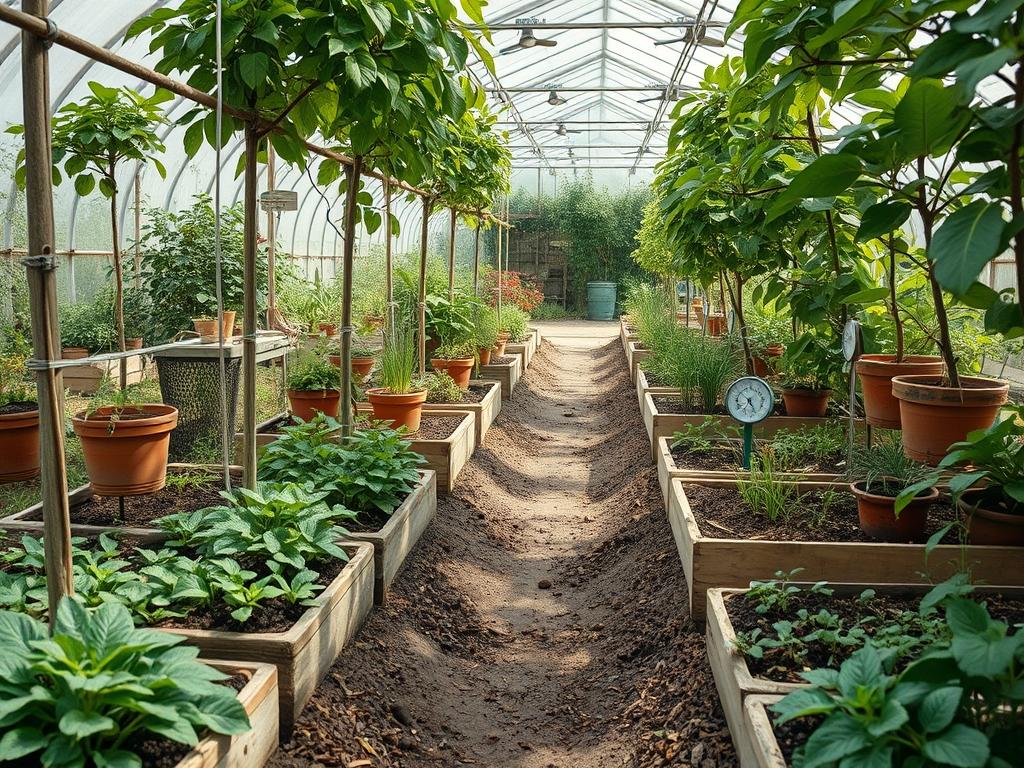
Integrating a productive utility such as solar fruit dehydration into a luxury residential landscape requires a sophisticated understanding of microclimates, thermal dynamics, and site orientation. The primary challenge for any outdoor environment consultant is to balance the raw functional needs of food preservation with the aesthetic requirements of high-end curb appeal. When we approach a site where the goal is to utilize natural solar energy for harvesting and processing fruit, we must look beyond basic gardening. We are designing a solar engine. This involves analyzing the trajectory of the sun throughout the growing season, identifying corridors of wind that can facilitate evaporation, and selecting hardscape materials that act as thermal batteries. A successful design ensures that the dehydration process remains unobtrusive, integrated into the architecture of the garden rather than appearing as a cluttered afterthought.
Effective landscape planning for solar fruit dehydration begins with the foundational elements of site grading and solar mapping. We examine the property to locate the areas with the highest daily irradiance, typically southern-facing slopes or clearings far from the shadows of the primary residence or large evergreen screens. By leveraging elevation, we can improve both drainage and air circulation, two factors that are vital for both the health of the orchard and the efficiency of the drying process. High-quality landscaping is about more than just what we plant; it is about how we manipulate the environment to serve a specific purpose. We utilize retaining walls to create tiered levels that catch more sun, and we specify dark-toned stone materials to absorb heat, which can then be radiated back into the environment during the cooler evening hours. This creates a stable temperature profile that is ideal for outdoor fruit management.
Landscape Design Principles
The architecture of a productive garden must adhere to the principles of symmetry and focal points to maintain visual harmony. In a landscape designed for solar fruit dehydration, we often utilize slate-topped stone plinths or custom-designed flagstone patios as functional drying surfaces. These elements serve as focal points in the garden, providing a clean, elegant look while remaining highly functional. Symmetry is achieved by flanking these drying zones with structured plantings, such as Buxus sempervirens or neatly manicured Taxus hedges. This contains the utility area within a formal frame, ensuring that the dehydration process does not detract from the overall aesthetic of the property.
Elevation layers are equally important. We design the landscape in vertical tiers, placing taller fruit-bearing trees like Prunus avium or Malus domestica at the rear of the viewing plane. This prevents them from casting shadows over the lower-level drying surfaces. Irrigation planning must be precise; we utilize subsurface drip systems to ensure that moisture is delivered directly to the root zones without increasing the ambient humidity around the drying areas. Walkways are another critical design component. By using permeable pavers or decomposed granite, we create stable paths that minimize dust, which is essential when fruit is being processed openly in the environment. Visual balance is maintained by repeating colors and textures throughout the garden, linking the functional dehydration zones to the ornamental flower beds.
Plant and Material Selection
Selecting the right biological and mineral components is the cornerstone of a high-functioning landscape. We choose plants based on their ability to thrive in the specific microclimate required for solar fruit dehydration while providing the raw materials for the process.
| Plant Type | Sun Exposure | Soil Needs | Water Demand | Growth Speed | Maintenance Level |
| :— | :— | :— | :— | :— | :— |
| Ficus carica | Full Sun | Well-drained | Moderate | Fast | Medium |
| Vitis vinifera | Full Sun | Loamy/Sandy | Low | Fast | High |
| Lavandula | Full Sun | Gritty/Alkaline | Low | Moderate | Low |
| Prunus armeniaca | Full Sun | Deep/Rich | Moderate | Moderate | High |
| Rosmarinus | Full Sun | Poor/Dry | Very Low | Slow | Low |
| Amelanchier | Partial Sun | Acidic | Moderate | Moderate | Medium |
We often pair these productive species with materials like Basalt gravel or Mexican beach pebbles. These stones help suppress weeds and retain heat. For the drying surfaces, we recommend large-format Tennessee flagstone or dark slate tiles at least 2 inches thick. These materials provide the necessary thermal mass to maintain consistent temperatures for dehydration without the need for mechanical trays or artificial racks.
Implementation Strategy
The implementation of a solar-centric landscape begins with precise grading. We ensure a minimum 2 percent slope away from all permanent structures and drying zones to prevent water pooling. Drainage is managed through the installation of French drains and catch basins hidden beneath decorative river rock. Once the sub-grade is established, we install the hardscape foundations. For the drying areas, we use a 4-inch base of compacted 21A limestone topped with a leveling sand layer before setting the thermal stones. This provides a stable, level surface that will not shift during freeze and thaw cycles.
Edging is installed to create a crisp transition between the turf and the productive beds. We prefer 14-gauge steel edging for its durability and slim profile. Once the hardscape is in place, we address the soil. We incorporate 3 inches of organic compost into the existing topsoil to improve nutrient density for the fruit trees. Mulching is the final step in the planting process. We specify a 3-inch layer of double-shredded hardwood mulch to regulate soil temperature and moisture, being careful to keep the mulch at least 6 inches away from the trunks of the trees to prevent fungal infections. The layout is designed so that the fruit can be harvested and moved directly to the nearby thermal surfaces with minimal transit time, optimizing the workflow of the harvest.
Common Landscaping Failures
One of the most frequent errors in landscape design for solar fruit dehydration is improper spacing that leads to poor air circulation. When trees and shrubs are planted too densely, they create stagnant pockets of air. This increases humidity and slows the drying process, often leading to spoilage. We also see many instances of soil compaction, particularly in areas with high foot traffic. Compacted soil prevents oxygen from reaching plant roots and causes water runoff, which can migrate into the drying zones. To avoid this, we design dedicated paths using stepping stones or natural bark mulch to direct traffic away from sensitive root zones.
Another common failure involves the irrigation system. Over-head spraying should never be used in a landscape intended for solar drying. The spray increases the moisture content in the air and can leave mineral deposits on the fruit and the drying surfaces. Furthermore, failure to account for the mature size of trees is a significant oversight. A tree that provides perfect sun in year two may cast a deep shadow over your drying patio by year seven. We use professional CAD software to model the sun and shade patterns at various growth stages, ensuring the landscape remains functional for decades. Finally, poor drainage design can lead to “wet feet” for fruit trees, specifically stone fruits, which are highly susceptible to root rot in heavy clay soils.
Seasonal Maintenance
Maintenance is a year-round commitment that changes with the cycles of the sun. In the spring, the focus is on pruning and soil preparation. We prune fruit trees to open up the canopy, allowing maximum light penetration and air movement. We also apply a balanced, slow-release fertilizer and refresh the mulch layers. As summer arrives, the focus shifts to water management. We monitor the drip irrigation systems to ensure trees receive deep, infrequent watering, which encourages deep root growth. This is also when we clean the thermal drying surfaces, removing any debris or organic buildup to prepare for the harvest.
Autumn is the peak season for solar fruit dehydration. During this time, maintenance involves daily inspection of the drying zones and ensuring that falling leaves do not accumulate on the fruit. Once the harvest is complete, we perform a final cleaning of the hardscape and apply a protective sealant to any stone surfaces if necessary. Winter maintenance is centered on protection. We may wrap the trunks of young trees in tree guards to prevent sunscald and frost cracks. We also check the drainage systems to ensure they remain clear of ice and winter debris, preparing the landscape for another productive year of growth and natural preservation.
Professional Landscaping FAQ
How does thermal mass affect solar dehydration?
Thermal mass materials, such as dark slate or dense concrete, absorb solar radiation during the day and release it slowly. This keeps the drying surface warm even after the sun sets, speeding up the dehydration process significantly.
Can I use wood mulch near fruit drying areas?
Yes, but you should use a high-quality, non-dyed hardwood mulch. Avoid light-weight chips that can blow onto the fruit. Properly aged mulch stays in place and helps suppress dust which could otherwise contaminate your harvest.
What is the best way to manage wind in a drying garden?
We use permeable windbreaks, such as open-weave lattice or thin-leafed shrubs like Privet. These structures slow the wind down without stopping it entirely, creating a gentle, consistent airflow that is perfect for removing moisture.
How do I prevent pests from entering the dehydration zone?
Integration of aromatic herbs like Lavandula and Rosmarinus serves as a natural deterrent. We also recommend keeping the perimeter of the drying area free of dense groundcovers where insects might hide, favoring clean gravel instead.
Are there specific stones that should be avoided for drying surfaces?
Avoid highly porous stones like certain types of sandstone or soft limestone, as they can absorb moisture from the ground or trap fruit juices. Stick to dense, non-porous materials like granite or slate for the best results.