
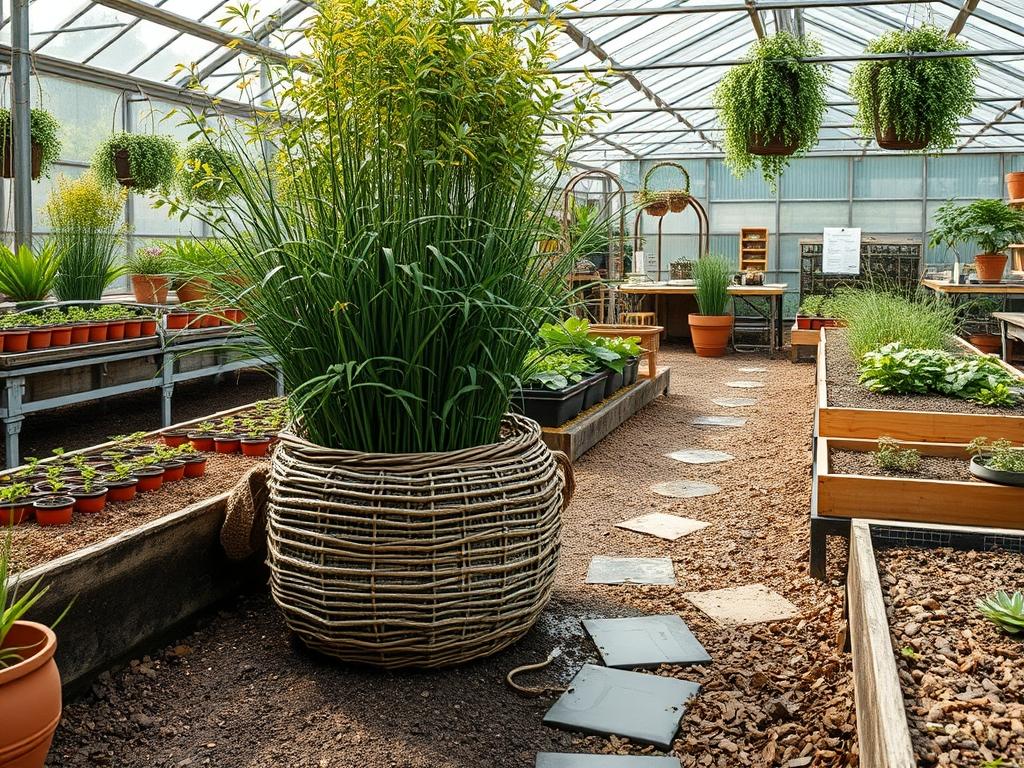
Integrating productive elements into a residential or commercial landscape requires a delicate balance between aesthetic appeal and functional yield. When a property owner decides to cultivate Willow Basketry Willow, they are not merely planting a screen or a decorative shrub; they are establishing a perennial harvest system that demands specific site conditions and spatial planning. many designers struggle to move past the traditional view of willow as a messy, water-seeking nuisance. However, when managed through coppicing and thoughtful placement, varieties of the Salix genus offer striking seasonal color, architectural interest, and a sustainable source of craft material. The primary challenge lies in managing the vigorous growth habits of these plants while ensuring they enhance, rather than detract from, the overall curb appeal. A well-planned willow holt can serve as a transition zone between manicured turf and wilder, naturalized areas, providing a sense of enclosure and privacy. Success depends on understanding the particular microclimates of the site, particularly the drainage patterns and soil composition, as these factors directly influence the suppleness and quality of the harvested rods.
Landscape Design Principles
Effective landscape design using basketry willow focuses on the principles of layering and focal points to prevent the garden from appearing overgrown or chaotic. Because most basketry varieties are managed through annual coppicing, the winter landscape will feature various “stools,” which are the permanent rootstock. These can be arranged in geometric patterns to provide structural interest even when the rods have been removed. Symmetry is often achieved by flanking walkways or entry points with upright varieties like Salix viminalis, which creates a sense of formal arrival. Conversely, for a more relaxed, cottage-style aesthetic, planting in drifts along a natural water feature or a bioswale allows the willow to fulfill its ecological role of erosion control while providing a soft, textured backdrop.
Visual balance is critical. The height of the one-year growth can reach 6 feet to 10 feet depending on the cultivar, which requires the designer to place these plants in the middle or rear of a border to avoid overshadowing smaller perennials. Elevation layers should be planned such that the willow serves as the tallest deciduous layer, perhaps backed by evergreen trees for winter contrast. Irrigation planning is another vital pillar; since willow is a thirsty genus, the layout must incorporate efficient delivery systems like soaker hoses or drip lines hidden beneath a thick layer of organic mulch. This ensures the plants remain hydrated during the heat of summer, which is essential for producing flexible, high-quality rods for weaving.
Plant and Material Selection
The selection of specific willow species is the most important technical decision in the planning process. Each variety offers different colors, textures, and physical properties for basketry.
| Plant Type | Sun Exposure | Soil Needs | Water Demand | Growth Speed | Maintenance Level |
| :— | :— | :— | :— | :— | :— |
| Salix purpurea ‘Abbey’ | Full Sun | Moist, heavy clay | High | Fast | Annual Coppicing |
| Salix viminalis | Full Sun | Well-drained to wet | High | Very Fast | High (yearly harvest) |
| Salix triandra ‘Black Spaniard’ | Full Sun/Part Shade | Rich, loamy | Medium-High | Moderate | Annual Coppicing |
| Salix alba ‘Vitellina’ | Full Sun | Adaptable | Moderate | Fast | Moderate |
| Salix daphnoides | Full Sun | Sandy to Loam | Medium | Fast | Annual Coppicing |
Implementation Strategy
The implementation of a professional willow garden begins with rigorous site preparation. First, the professional must address the grading of the land. Because willow thrives in moist environments, it is often tempting to plant them in low spots. However, stagnant water can lead to root rot if the oxygen levels in the soil are depleted. The area should be graded to allow for slow moisture movement or managed through a rain garden design. Once the grade is established, the designer should mark out the planting grid. For high-yield basketry, a spacing of 12 inches between plants within a row and 24 inches between rows is a standard measurement for commercial production. In a home landscape, this can be widened to create a more airy feel.
Edging is the next step to prevent the willow beds from encroaching on lawns or other garden sections. A deep, 6 inch steel or heavy-duty plastic edge is recommended to contain the root systems. Before planting the cuttings, which are usually 10 inch to 12 inch dormant rods, the soil should be amended with organic compost to boost initial growth. When planting, the rod should be pushed into the ground until only 2 inches or two buds are visible above the surface. This encourages a deep, stable root system. Immediately following planting, a 4 inch layer of wood chip mulch or straw should be applied to suppress weeds and retain moisture. Weed competition is the leading cause of failure in young willow plantations, as the juvenile plants lack the canopy to shade out aggressive grasses.
Common Landscaping Failures
One of the most frequent failures in willow landscaping is the neglect of root depth and proximity to infrastructure. Willow roots are notoriously opportunistic. Planting them within 30 feet of a septic system, drainage pipe, or foundation is a mistake that can lead to significant structural damage. Another common error is improper spacing. If plants are too close, the rods will compete for light, resulting in spindly, weak growth that is unsuitable for basketry. Conversely, if they are too far apart, the rods may branch out too much, making them difficult to weave.
Soil compaction is another silent killer. In many new construction projects, the soil is heavily compacted by machinery. Willow requires a friable soil structure to establish its expansive root network. If the soil is not properly aerated before planting, the willow may survive but will produce stunted growth. Finally, irrigation inefficiencies often plague these gardens. Relying on overhead sprinklers is less effective than ground-level irrigation, as it can promote leaf rust, a common fungal issue for many Salix species. A dedicated drip irrigation system is the most professional solution to ensure deep-root hydration without wetting the foliage.
Seasonal Maintenance
Maintenance for a Willow Basketry Willow garden is cyclical and centers on the winter harvest. During the spring, the focus is on growth monitoring and pest management. Look for aphids or sawfly larvae that can damage the growing tips. Summer requires consistent watering; the soil should never be allowed to dry out completely. If a drought occurs, a deep soak of at least 1 inch of water per week is necessary. By autumn, the leaves will begin to yellow and drop. This is the time to prepare the tools, such as sharp secateurs or loppers, and clear any debris from the base of the stools.
Winter is the most active season for the basketry enthusiast. Once the leaves have fallen and the sap has retreated to the roots, the rods are at their peak for harvesting. This involves coppicing the plant, which means cutting every rod back to the main stool, approximately 2 inches from the ground. This process might seem drastic, but it is what stimulates the production of long, straight rods the following spring. After the harvest, applying a fresh layer of mulch and a balanced organic fertilizer prepares the stool for the next growing cycle. This annual renewal keeps the landscape looking fresh and prevents the willows from turning into large, unmanageable trees.
Professional Landscaping FAQ
How do I prevent my willow from becoming a tree?
Regular annual coppicing is necessary. By cutting the rods back to the base every winter, you maintain the plant as a shrub-like stool. This prevents it from ever developing a dominant trunk or reaching its full height potential as a tree.
Can I grow basketry willow in a small urban yard?
Yes, provided you have a sunny spot and can manage the water needs. Using a single variety as a focal point or a small decorative “fedge” (a living fence) allows you to harvest materials without needing a massive acreage for production.
What is the best mulch for willow beds?
Wood chips or shredded bark are ideal. Apply at least a 3 inch layer to keep the roots cool and moist. This also slowly improves the soil organic matter as it decomposes, which is beneficial for the willow’s high nutrient requirements.
When is the best time to plant willow cuttings?
Late winter or very early spring, while the cuttings are still dormant, is the optimal time. Ensure the ground has thawed enough to allow the 12 inch rod to be inserted deeply into the soil for proper root development.
Does basketry willow require specialized fertilizer?
Generally, a high-nitrogen organic fertilizer in early spring is helpful. However, if you use a thick layer of organic mulch and compost, the soil health usually sustains the plants without the need for constant chemical interventions or specialized products.