
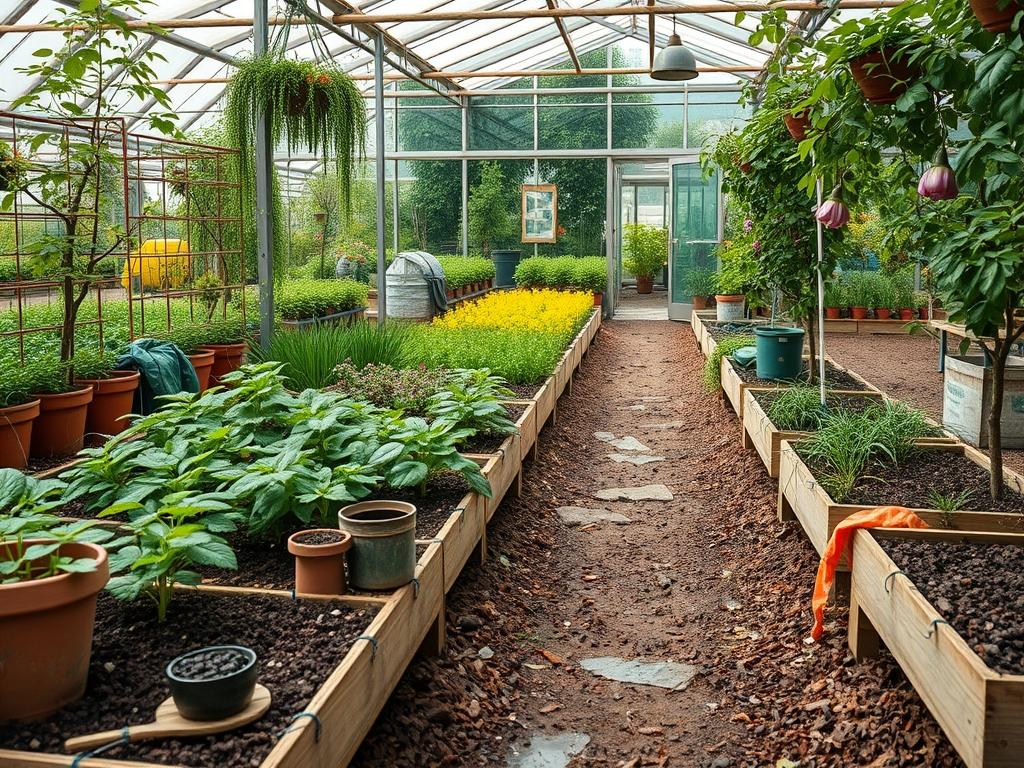
Integrating utilitarian species into a high-end residential landscape requires a sophisticated understanding of both aesthetic form and ecological function. Many property owners desire a garden that offers more than just visual appeal, seeking instead a productive environment that produces traditional remedies and food. The challenge for a landscape architect is to position a vigorous, multi-stemmed shrub like Sambucus nigra within a structured design without sacrificing curb appeal or organizational logic. Designing for the eventual production of traditional syrups necessitates a layout that prioritizes ease of harvest, optimal sun exposure, and rigorous drainage management. By treating the garden as a living laboratory for the ancestral way to preserve, we can create a space that feels both wild and intentional. This approach ensures that the pursuit of Elderberry Rob Recipes begins not in the kitchen, but in the precision of the initial site plan and soil preparation.
Landscape Design Principles
Successful landscape architecture relies on the foundational principles of symmetry and focal points to guide the eye through the outdoor space. When integrating edible plants, we often use the specimen as a primary focal element within a larger hedgerow or as a standalone anchor in a corner garden bed. The structural habit of the elderberry is naturally somewhat airy and sprawling, which means it requires a backdrop of more rigid, evergreen species to maintain visual balance during the dormant winter months. By utilizing Taxus baccata or Buxus sempervirens as a low-profile hedge in front of the elderberry, you create a tiered elevation layer that hides any “leggy” growth at the base of the shrub.
Elevation layers are essential for creating depth in a residential lot. We recommend a three-tiered approach: high canopy trees for shade, mid-story shrubs like the elderberry for privacy and fruit production, and a ground-level layer of creeping thyme or clover to act as a living mulch. This layering mimics natural forest edges while providing the necessary vertical interest that enhances a home’s market value. Furthermore, walkways should be planned with a minimum width of 36 inches to allow for easy passage with harvesting baskets. Hardscaping materials like natural flagstone or decomposed granite provide a stable surface that prevents soil compaction near the delicate root zones of the plants.
Plant and Material Selection
Selecting the right cultivars is the most critical step in ensuring a bountiful harvest for your Elderberry Rob Recipes. While wild varieties are hardy, specialized cultivars often produce larger fruit clusters with higher sugar content. The following table outlines the technical requirements for a productive landscape.
| Plant Type | Sun Exposure | Soil Needs | Water Demand | Growth Speed | Maintenance Level |
| :— | :— | :— | :— | :— | :— |
| Sambucus nigra | Full Sun to Partial Shade | Loamy, pH 6.0 to 6.5 | Medium to High | Fast | Moderate |
| Echinacea purpurea | Full Sun | Well-drained | Low | Medium | Low |
| Salvia officinalis | Full Sun | Sandy, dry | Low | Fast | Low |
| Viburnum opulus | Partial Shade | Moist, acidic | High | Moderate | Low |
| Hydrangea macrophylla | Filtered Shade | Rich, organic | High | Medium | High |
Implementation Strategy
The transition from a design on paper to a physical landscape requires a methodical implementation strategy. Begin with professional grading to ensure that water moves away from the home’s foundation while still saturating the root zones of the more thirsty species. Because elderberries thrive in riparian-like conditions, they are excellent candidates for placement near a swale or at the base of a gentle its slope where moisture naturally collects. However, you must avoid standing water, which can lead to root rot. Installing a French drain system or a dry creek bed can help manage excess runoff during heavy spring rains.
Once the grading is complete, the edging should be installed to define the boundaries between turf and garden beds. Metal or heavy-duty plastic edging prevents invasive grass roots from competing with your fruiting shrubs. Before planting, incorporate 4 inches of organic compost into the top 12 inches of the native soil to improve aeration and nutrient availability. When placing the Sambucus plants, ensure they are spaced at least 6 feet apart. This spacing allows for adequate airflow, which is the best defense against fungal pathogens that can ruin a crop. Finish the installation with a 3-inch layer of hardwood mulch to regulate soil temperature and suppress weeds.
Common Landscaping Failures
One of the most frequent mistakes in residential landscaping is improper plant spacing. Homeowners often desire an “instant” garden and plant shrubs too close together, leading to root overcrowding and stunted growth within three years. This is particularly problematic for elderberries, which have a wide, suckering habit. Without room to expand, the plants will compete for nitrogen, resulting in fewer flowers and smaller berries for your preservation projects.
Another common failure involves irrigation inefficiencies. Over-watering with a standard lawn sprinkler often hits the foliage of the plants without penetrating the root zone, which can encourage powdery mildew. Instead, we advocate for a drip irrigation system with emitters placed directly at the base of each plant. Soil compaction is the third primary cause of plant failure. Constant foot traffic or the use of heavy machinery over the root zone crushes the air pockets in the soil, effectively suffocating the plant. Always establish clear, permanent walkways to keep traffic away from the sensitive growing areas.
Seasonal Maintenance
Landscape management is a year-round commitment that changes with the cycles of the sun. In the spring, the focus should be on nutrient replenishment. Apply a balanced, slow-release organic fertilizer just as the first buds begin to swell. This is also the time to inspect your irrigation lines for leaks or clogs. As summer arrives, the priority shifts to water management and pest monitoring. Keep a close watch for aphids or Japanese beetles that might target the lush foliage.
Autumn is the most rewarding season, as it marks the time for harvest and the preparation of Elderberry Rob Recipes. Once the clusters are deep purple or black, they are ready for the kitchen. After the harvest, remove any spent fruit stalks to keep the plant tidy. Winter maintenance involves structural pruning. Elderberries produce the best fruit on second and third-year wood. Use bypass pruners to remove any dead or crossing branches and thin out about one-third of the oldest canes down to the ground. This “renewal pruning” ensures the plant remains vigorous and productive for decades to come.
Professional Landscaping FAQ
How do I choose between different elderberry varieties?
Select Sambucus canadensis for smaller spaces or Sambucus nigra for larger, more traditional European-style gardens. Ensure the variety is compatible with your specific USDA hardiness zone to ensure heavy flowering and consistent fruit production for your winter preserves.
What is the best way to handle poor drainage in my garden?
Install a French drain or create a rain garden at the lowest point of your property. Utilize moisture-loving plants like elderberry and river birch to naturally absorb excess groundwater while adding significant visual interest to the terminal drainage area.
How much sun do my plants really need for a good harvest?
While elderberries can grow in partial shade, they require at least 6 to 8 hours of direct sunlight to produce the high sugar content necessary for effective preservation. Full sun also helps the foliage dry quickly, reducing disease risk.
Can I grow elderberries in large containers on a patio?
Yes, but you must use a container with at least a 20-gallon capacity and excellent drainage holes. Potted shrubs require more frequent watering and a consistent application of water-soluble fertilizer to compensate for the limited soil volume.
What mulch should I use for an edible landscape?
Use arborist wood chips or pine bark mulch at a depth of 3 inches. Avoid dyed mulches, as they may contain chemicals that you do not want leaching into the soil near plants intended for consumption and preservation.