
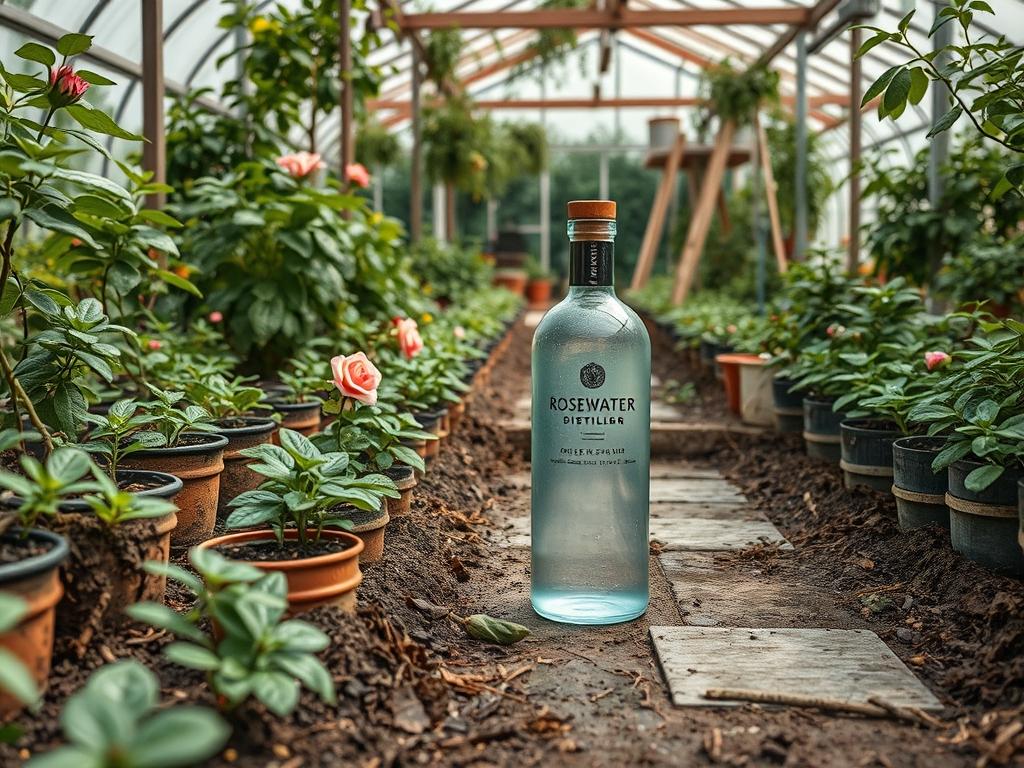
Integrating a functional elements such as a distillation site into a residential landscape requires a sophisticated balance between utility and aesthetic appeal. When we approach traditional rosewater distilling from a design perspective, we are not merely choosing a spot for a pot; we are creating a dedicated sensory environment. The challenge lies in situating a heat source and a cooling system within a garden that must remain visually cohesive throughout the year. Climate considerations are paramount, as the roses required for high quality distillate, typically Rosa damascena or Rosa centifolia, thrive in specific microclimates with ample airflow and consistent sun exposure. A well planned distillation garden improves curb appeal by replacing generic foundation plantings with a structured, fragrant, and productive ecosystem. Outdoor functionality goals should prioritize the ease of harvest, the safety of the heat source, and the efficient management of water runoff from the cooling process.
Landscape Design Principles
Effective landscape design for a distillation garden relies heavily on the concept of the focal point. While the rose bushes provide the raw material, the still itself serves as the architectural heart of the space. Symmetry often works best in these “apothecary style” gardens, with gravel walkways radiating from a central distillation hearth. This axial arrangement ensures that every part of the garden is accessible for harvesting. Elevation layers must also be considered; taller shrubs or climbing varieties create a vertical backdrop, while mid level roses and low lying herbs like Thyme or Lavender fill the foreground.
Irrigation planning is perhaps the most critical technical component. Distilling requires significant amounts of water for the condenser, and a professional plan will redirect this gray water back into the landscape via a gravity fed drainage system. Visual balance is maintained by using hardscaping materials that reflect the local geology. Using a Retaining Wall made of natural fieldstone can help level a sloped site to create a flat, safe pad for the distilling equipment. Walkways should be constructed from permeable materials like Crushed Granite or Pea Gravel to prevent puddling and ensure the distiller can operate the equipment on a stable, dry surface even after a morning rain.
Plant and Material Selection
The following selections focus on species that provide high essential oil yields and materials that withstand the rigors of an outdoor workspace.
| Plant Type | Sun Exposure | Soil Needs | Water Demand | Growth Speed | Maintenance Level |
| :— | :— | :— | :— | :— | :— |
| Rosa damascena | Full Sun | Loamy, Well-Drained | Moderate | Medium | High |
| Rosa centifolia | Full Sun | Rich, Organic | Moderate | Fast | Medium |
| Lavandula | Full Sun | Sandy, Alkaline | Low | Medium | Low |
| Rosmarinus | Full Sun | Well-Drained | Low | Medium | Low |
| Salvia officinalis | Full/Partial | Average Garden Soil | Low | Fast | Medium |
| Pelargonium | Full Sun | Light, Porous | Moderate | Fast | Medium |
For the hardscaping, specify Type 2 Road Base for the sub grade of any hearth or heavy equipment area. This provides the necessary structural integrity for a brick or stone still housing. Cedar Mulch is recommended for the surrounding beds due to its natural pest repellent properties and its ability to regulate soil temperature.
Implementation Strategy
The construction of a simple garden still begins with site grading. The area designated for the still must be perfectly level to ensure even heating and consistent flow through the condenser. Start by excavating the top 4 inches of soil in a 5 foot by 5 foot square. Fill this area with crushed stone and compact it thoroughly. This provides a non combustible foundation. For the still itself, a traditional “alembic” setup is most effective. This involves a copper pot (the cucurbit), a swan neck lid, and a condenser coil submerged in a cooling bucket.
In your layout, place the still near a clean water source. Use a Propane Burner or a dedicated Sand Pit for a controlled wood fire. To integrate this into the landscape, build a low stone surround around the burner to shield the flame from wind. For the cooling system, a high capacity Polyethylene Bucket can hold the copper coil. Attach a garden hose to the bottom of the bucket for cold water intake and a secondary hose at the top for warm water discharge. Direct the discharge hose into a Rain Garden or towards a line of thirsty Hydrangeas to ensure zero water waste. Finish the area with Metal Edging to create a clean break between the gravel work zone and the lush rose beds.
Common Landscaping Failures
The most frequent mistake in designing a productive rose garden is improper drainage. Roses are susceptible to root rot if they sit in standing water; therefore, the soil must be amended with perlite or coarse sand if the native earth is heavy clay. Another common failure is root overcrowding. Designers often plant for immediate fullness without considering the three to five year spread of a Damask Rose, leading to poor airflow and the rapid spread of powdery mildew.
Soil compaction is another significant issue, particularly around the distillation area. Constant foot traffic during the harvest and bottling process can crush soil pores, suffocating the roots of nearby plants. To combat this, always define clear paths using Flagstone or Stepping Stones. Finally, irrigation inefficiencies occur when overhead sprinklers are used. This wets the foliage and the delicate petals, which can degrade the quality of the rose oil. A professional installation should always utilize Drip Irrigation Lines buried under a 3 inch layer of mulch to deliver water directly to the root zone.
Seasonal Maintenance
Spring is the season for revitalization. As soon as the last frost passes, prune your roses aggressively to encourage new flowering wood. Check all irrigation emitters for clogs and refresh the mulch layers to suppress weeds. This is also when you should inspect the copper still for any oxidation or debris that accumulated during winter storage.
Summer is the peak of the distillation cycle. Harvest petals in the early morning when the oil concentration is at its highest. During these months, monitor soil moisture closely. If the weather is exceptionally dry, the roses will produce less oil as a defense mechanism, so supplemental watering is vital.
Autumn focus shifts to garden cleanup and soil health. Apply a layer of compost around the base of the bushes to replenish nutrients lost during the blooming season. It is also the time to drain all outdoor plumbing and hoses to prevent freeze damage.
Winter maintenance involves protecting the structural elements of the garden. In colder zones, wrap your Rosebushes in Burlap to prevent windburn. Store the copper components of the still in a dry, indoor location. If you have a permanent masonry hearth, cover it with a Heavy Duty Tarp to prevent moisture from entering the stone joints and freezing, which can cause cracking.
Professional Landscaping FAQ
How much space do I need for a rosewater still?
A functional distillation site requires a minimum 10 foot by 10 foot area. This allows for a 5 foot non combustible work zone around the heat source and sufficient clearance for harvesting baskets and cooling water tanks.
Can I use any rose variety for distillation?
While all roses are edible, Rosa damascena and Rosa centifolia are the gold standards. They contain the highest oil content and the most complex aromatic profiles required for traditional professional grade rosewater.
Is a permanent structure required for the still?
No, a permanent structure is optional. However, a dedicated Stone Plinth or Gravel Pad is recommended for safety. This prevents the heat source from tipping and ensures a level surface for the delicate condensation process.
How do I manage the wastewater from the condenser?
The water exiting the condenser is clean but warm. Route it through a Swale or a Perforated Pipe into your landscape beds. This recycling technique turns a byproduct into a valuable irrigation resource for your plants.
Does copper equipment require special landscaping considerations?
Copper is reactive. Ensure your storage area is away from chemical fertilizers or pesticides which can cause corrosion. Architecturally, the bright metal provides a beautiful contrast against dark green foliage, acting as a functional garden ornament.