Integrating the cultivation of materials for Traditional Reed Flooring into a modern landscape design requires a meticulous balance between aesthetic appeal and hydrological engineering. Most homeowners view wetland plants as purely ornamental, yet for the landscape architect, these species serve a dual purpose as both structural elements and a sustainable source of building material. The primary challenge lies in managing the high water demands of these species without compromising the structural integrity of nearby hardscaping or creating stagnant environments. When planned correctly, a dedicated reed garden enhances curb appeal by adding vertical interest and movement, while functioning as a private sanctuary that produces high quality fibers. Success depends on understanding the specific elevation requirements of marginal aquatic plants and ensuring the site grading allows for consistent moisture levels without flooding the rest of the property.
Establishing a harvestable landscape also involves a shift in how we perceive outdoor functionality. Instead of a static lawn, the environment becomes a working ecosystem. We must consider the proximity of the reed beds to processing areas, ensuring that the transition from the water’s edge to the drying racks is seamless. This professional approach involves more than just planting; it requires a deep dive into soil chemistry, water circulation, and the spatial dynamics of the backyard to ensure that the tall, dense stands of reeds provide a lush backdrop rather than an overgrown eyesore.
LANDSCAPE DESIGN PRINCIPLES
Effective design for reed cultivation begins with the principle of vertical layering. Reeds like Phragmites australis or Schoenoplectus acutus grow to significant heights, often exceeding 8 feet, which makes them ideal for natural privacy screens or focal points at the rear of a property. To maintain visual balance, these tall stands should be framed by lower elevation layers. Incorporating retaining walls can help manage the transition between dry upland areas and the saturated zones required for reed growth. These walls provide a clean line of demarcation that prevents the unruly appearance often associated with wild wetlands.
Symmetry plays a vital role in formalizing a functional harvest garden. By flanking a central water feature or a stone walkway with mirrored reed beds, the architect creates an intentional, curated look. This symmetry can be anchored by a focal point, such as a large granite boulder or a high end water sculpture, which draws the eye away from the utilitarian nature of the plants. Furthermore, irrigation planning must be integrated into the initial layout. A recirculating pump system ensures that the water remains oxygenated, preventing the buildup of anaerobic bacteria which can weaken the reed stalks and affect the quality of the Traditional Reed Flooring.
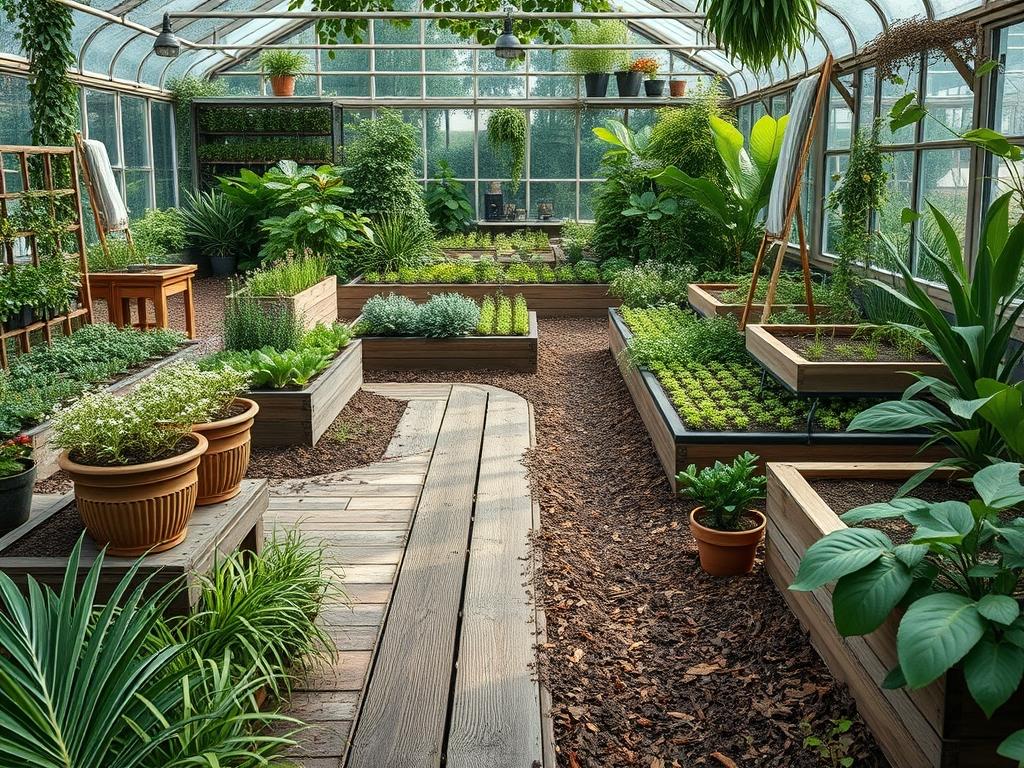
Walkways are essential for both maintenance and harvesting access. Instead of traditional poured concrete, consider using elevated timber boardwalks or large flagstone pavers set into a gravel base. This allows the architect to direct foot traffic over soft or saturated soils without causing compaction. Proper spacing between the walkways and the plant beds ensures that the sickles and pruning shears used during harvest can be operated comfortably. Visual balance is finally achieved by blending these structural elements with native flowering perennials at the edges, which softens the transition and supports local pollinators.
PLANT AND MATERIAL SELECTION
| Plant Type | Sun Exposure | Soil Needs | Water Demand | Growth Speed | Maintenance Level |
| :— | :— | :— | :— | :— | :— |
| Common Reed (Phragmites) | Full Sun | Rich Alluvial | High/Standing | Rapid | High |
| Broadleaf Cattail (Typha) | Full Sun | Heavy Clay | High/Saturated | Fast | Moderate |
| Hardstem Bulrush | Full to Part Sun | Sandy Loam | High/Submerged | Medium | Low |
| Sweet Flag (Acorus) | Full to Part Sun | Mucky Organics | Moderate/Wet | Slow | Low |
| Giant Reed (Arundo donax) | Full Sun | Well Drained/Moist | Moderate | Very Rapid | High |
| Soft Rush (Juncus) | Full Sun | Acidic/Wet | High | Medium | Low |
IMPLEMENTATION STRATEGY
The implementation of a harvest garden starts with rigorous site grading. The area designated for reed growth must be excavated to a depth of at least 18 inches and lined with a 45 mil EPDM pond liner if the natural soil does not retain water. This containment strategy is crucial for preventing the aggressive rhizomes of certain reed species from invading the rest of the landscape. Once the liner is in place, it should be covered with a mixture of native topsoil and composted organic matter to provide the nutrients necessary for thick, sturdy stalk development.
Edging is the next critical step. Using heavy duty plastic root barriers or poured concrete curbing at a depth of 24 inches will ensure that the reeds remain within their designated zones. For the hardscaping elements, ensure that any retaining walls are built with adequate weep holes to manage hydrostatic pressure. Drainage systems should be designed to allow for seasonal “drawdowns,” where the water level is intentionally lowered to facilitate harvesting and to encourage deeper root penetration.
When planting, space the initial clusters approximately 12 inches apart to allow room for lateral expansion. After planting, apply a 2 inch layer of pea gravel or river rock over the soil surface to prevent erosion and suppress weed growth until the reeds are established. Mulch should be avoided in the submerged zones, as it can float and clog irrigation pumps, but it is excellent for the transition zones where moisture-loving shrubs are planted. Final grading should ensure that the surrounding landscape slopes slightly away from the reed beds to prevent nutrient runoff from lawns from polluting the aquatic environment.
COMMON LANDSCAPING FAILURES
One of the most frequent mistakes in planning for Traditional Reed Flooring material is failing to account for the sheer weight and volume of the mature plants. When reeds are planted too densely without a clear harvest plan, the center of the bed can become a dead zone of decaying matter, which attracts pests and reduces the structural integrity of the living stalks. Furthermore, improper drainage in the surrounding “dry” zones often leads to soil saturation near the foundations of the home or the base of retaining walls, leading to structural settling over time.
Root overcrowding is another significant issue. Without regular thinning or the use of root barriers, reeds will quickly outgrow their footprint, choking out more delicate native plants and disrupting the visual balance of the yard. Inefficient irrigation, such as relying solely on overhead sprinklers, often fails to reach the base of a dense reed stand, leading to brittle stalks that are unsuitable for flooring. Finally, many planners overlook soil compaction during the construction phase. Using heavy machinery near the designated planting zones can crush the soil structure, making it nearly impossible for the aquatic rhizomes to spread evenly.
SEASONAL MAINTENANCE
Spring is the season for regeneration and assessment. As the first shoots appear, the landscape should be cleared of any winter debris. This is the time to check the irrigation pumps and ensure that the water sensors are functioning correctly. If the reed stands have become too dense, use a sharp spade to remove a portion of the root mass, ensuring that the remaining plants have adequate space to reach their full height. Applying a slow release aquatic fertilizer at this stage will support the rapid growth seen in the coming months.
Summer maintenance focuses on water management and pest monitoring. Because evaporation rates are highest during this period, the water levels in the reed beds must be monitored daily. The tall stalks provide excellent cover for birds, but they can also host aphids or spider mites. A high pressure water spray is usually sufficient to manage these pests without resorting to chemicals that could contaminate the harvest. In the late summer, the stalks will begin to harden, which is a sign that the fibers are maturing for use in Traditional Reed Flooring.
Autumn is the primary harvest window. Once the reeds have turned a golden brown and the sap has retreated to the rhizomes, the stalks can be cut at the base using serrated sickles or gas powered hedge trimmers. It is vital to perform this task before the first heavy snow, which can break the brittle stalks and render them useless. After the harvest, the area should be cleared of any remaining leaf litter. Winter maintenance is minimal, focusing primarily on protecting the hardscaping from ice damage. In colder climates, ensure that any submersible pumps are removed or placed below the frost line to prevent cracking.
PROFESSIONAL LANDSCAPING FAQ
What is the best time of year to harvest reeds for flooring?
Late autumn or early winter is ideal. This is when the stalks have dried naturally on the root; ensuring the fibers are strong, durable, and less prone to shrinking after they are woven into the final flooring product.
Do I need a pond to grow materials for Traditional Reed Flooring?
While a natural pond is helpful, it is not strictly necessary. You can create a functional bog garden using an impermeable liner, a recirculating water system, and controlled irrigation to simulate the wetland conditions these plants require.
How do I prevent reeds from becoming invasive in my backyard?
Always install a physical root barrier at least 24 inches deep around the perimeter of the planting area. Regular harvesting and thinning of the rhizomes every spring will also keep the species contained within your specific design layout.
Can I mix different types of reeds in the same bed?
Yes, mixing species like Typha and Schoenoplectus can create a more textured look. However, ensure they have similar water depth requirements; otherwise, the more aggressive species may eventually outcompete the others for space and nutrients.
What tools are essential for maintaining a reed landscape?
Invest in high quality telescoping bypass pruners, a serrated harvesting sickle, and chest waders. For the structural side, a heavy duty garden rake and pond vacuum are necessary to keep the water zone clear of organic buildup.