
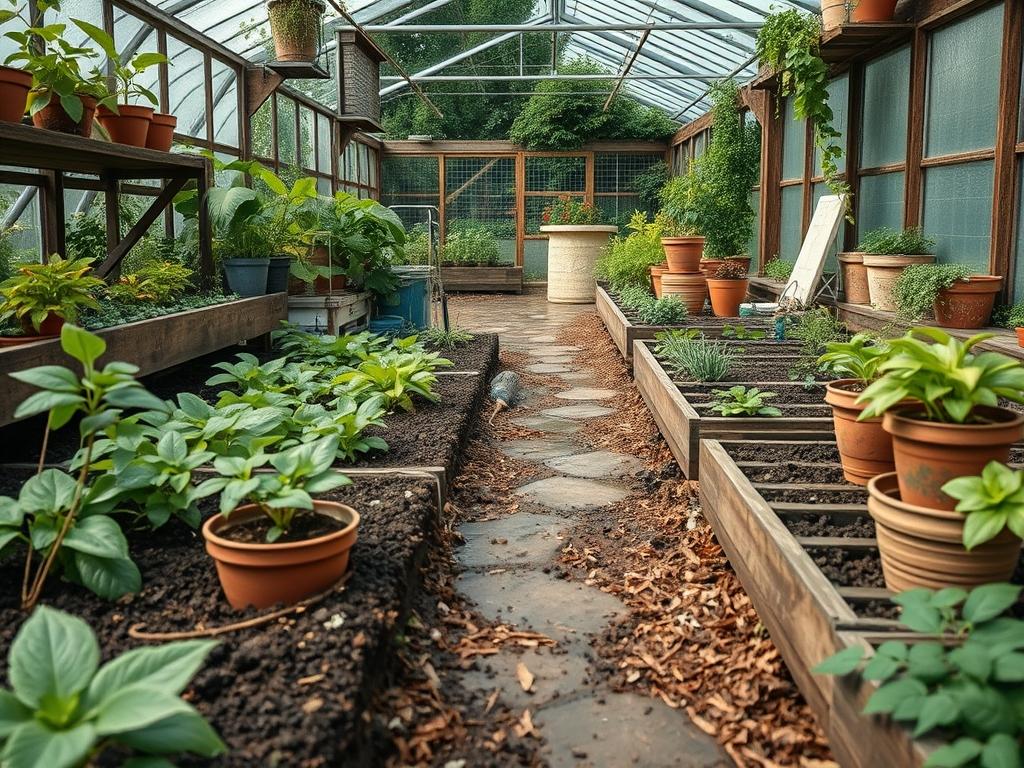
The persistent challenge of mollusk management in high-value residential landscapes often leads homeowners toward chemical interventions that compromise soil health and regional hydrology. Slugs thrive in the humid, irrigated micro-climates of meticulously maintained gardens, where they decimate ornamental foliage and reduce overall curb appeal. To achieve a sustainable and autonomous solution, landscape architects are increasingly looking toward the integration of Natural Slug Predators, specifically toads and small, non-venomous snakes. These sentinel species provide a functional ecosystem service that replaces the need for unsightly slug pellets and toxic sprays. By designing for biodiversity, a property owner can maintain a pristine outdoor living environment while fostering a balanced biological cycle that treats the root cause of pest infestations. Successful integration requires a shift in perspective; one must view the garden not just as a visual gallery, but as a living infrastructure where drainage, elevation, and plant density work in concert to support beneficial wildlife.
Proper landscape planning for these predators involves a sophisticated understanding of their biological requirements. Toads and snakes are ectothermic, meaning they rely on the external thermal mass of the environment to regulate their body temperature. This necessitates a strategic layout that provides both cooling shade and solar exposure. From a structural standpoint, the goal is to create a seamless transition between manicured social zones and the dense, protective cover where these predators hunt and rest. When executed correctly, these habitat features become an asset to the landscape design, incorporating textural elements like River Rock and Pea Gravel along with layered plantings that enhance the architectural depth of the property.
Landscape Design Principles
A successful landscape design prioritizing Natural Slug Predators must balance human aesthetic expectations with the structural needs of the target species. Symmetry plays a vital role in formal gardens, but for biological efficacy, asymmetrical clusters should be used to break up large expanses of turf. Turfgrass is essentially a biological desert for toads; they require interstitial spaces provided by ground covers and low-lying shrubs. To maintain visual balance, use the principle of focal points, such as a large Natural Stone Boulder or a well-placed water feature, to draw the eye away from the more naturalistic, wilder zones of the garden.
Elevation layers are critical for both drainage and habitat. By utilizing Retaining Walls constructed from Fieldstone or Dry-stack Stone, designers create verticality and deep crevices that serve as perfect overwintering sites for snakes and toads. These structures should be integrated into the grade transitions of the property to prevent erosion while providing thermal stability. Irrigation planning must also be precise. While slugs prefer consistent dampness, toads require specific high-humidity refuges but cannot survive in stagnant, anaerobic soil. Subsurface drainage systems using perforated 4-inch PVC Pipe should be installed to manage runoff, ensuring that the moisture levels remain optimal for the predators without drowning their habitat or damaging the root systems of the surrounding flora.
Plant and Material Selection
The following selection highlights specimens that provide the necessary cover and moisture retention to support Natural Slug Predators while maintaining a professional aesthetic.
| Plant Type | Sun Exposure | Soil Needs | Water Demand | Growth Speed | Maintenance Level |
| :— | :— | :— | :— | :— | :— |
| Western Sword Fern | Shade to Part Sun | Rich, Organic | Moderate | Medium | Low |
| Hosta | Shade | Well-Drained | High | Fast | Medium |
| Japanese Forest Grass | Part Shade | Moist, Loamy | Moderate | Slow | Low |
| Wild Ginger | Full Shade | Humus-Rich | High | Slow | Low |
| Stonecrop Sedum | Full Sun | Sandy, Dry | Low | Moderate | Low |
| Creeping Thyme | Full Sun | Well-Drained | Low | Fast | Low |
Materials should be selected for their durability and thermal properties. Wood Chips or Pine Bark Mulch applied at a depth of 3 inches provide a soft, moist medium for toads to burrow during the heat of the day. For snakes, Flagstone Pavers offer flat surfaces for basking in the morning sun, which is essential for their digestive processes.
Implementation Strategy
The implementation phase begins with a thorough site analysis focusing on grading and hydrology. Before any plants are installed, the soil must be prepared to prevent compaction, which hinders the burrowing behavior of toads. Use a Rototiller to incorporate organic compost into the top 12 inches of the soil profile. For the hardscaping component, excavate a trench at least 18 inches deep for any Retaining Walls to ensure structural stability against frost heave and to create deep subterranean pockets for hibernating reptiles.
When laying out the garden, establish a clear edging boundary between the lawn and the predator-friendly beds. Using Corten Steel Edging or Brick Pavers creates a clean line that preserves curb appeal. Within the beds, mimic a forest floor by layering Leaf Litter over the Mulch. This organic debris attracts the insects that serve as the primary food source for younger toads and snakes, keeping them on the property until they are large enough to consume adult slugs. For water accessibility, integrate a low-profile basin or a small pond with a shallow, gravel-lined entry point. The water should be no deeper than 2 feet at its center, with a Submersible Pump to keep the water oxygenated and prevent mosquito larvae growth.
Common Landscaping Failures
One of the most frequent mistakes in professional landscaping is over-reliance on uniform, high-maintenance lawns. This lack of structural diversity forces Natural Slug Predators to seek cover elsewhere, leaving the garden defenseless. Improper spacing is another significant issue. When plants are crowded too tightly, air circulation drops, creating an environment that favors fungal pathogens and slug reproduction while making it difficult for larger predators like Garter snakes to navigate.
Irrigation inefficiencies often lead to “dead zones” or perpetually soggy areas. Over-watering can drown the burrows of toads, while a lack of moisture in the summer will drive them away. Furthermore, the use of heavy machinery during the growing season can cause soil compaction, destroying the delicate network of air pockets that toads use for shelters. Finally, the total removal of fallen leaves and woody debris in the autumn is a catastrophic failure for biodiversity. Without this insulation, the predators cannot survive the winter temperatures, and the slug population will rebound unchecked in the spring.
Seasonal Maintenance
Seasonal management ensures the long-term viability of the predator population and the aesthetic integrity of the landscape.
In Spring, focus on debris management. Carefully remove only the top layer of old leaves once constant temperatures rise above 50 degrees Fahrenheit. This protects dormant toads and snakes that may still be buried. Inspect the irrigation system and adjust Rotary Nozzles to ensure they are not over-saturating the hibernacula zones.
During Summer, maintenance shifts to hydration and pruning. Use a Soaker Hose in the early morning to maintain humidity levels under the leaf canopy. Prune any overhanging branches that may be blocking the basking stones used by snakes. Monitor the water feature and refill it as needed to account for evaporation, ensuring a constant supply for thirsty toads.
In Autumn, avoid the urge to “clean” the garden too thoroughly. Leave a layer of Pine Straw or organic debris in the back of the beds. This material serves as essential insulation for the coming frost. If you are using Wood Mulch, add a fresh 2-inch layer to the surface to help regulate soil temperatures.
During Winter, the landscape should be left largely undisturbed. Avoid walking on the garden beds to prevent crushing hibernating animals under the frost line. Check any hardscaping for structural shifts and ensure that the Drainage Grates are clear of ice or heavy snow to prevent localized flooding during the spring thaw.
Professional Landscaping FAQ
How often should I clean the water feature intended for toads?
Deep cleaning should only occur once annually in early spring. During the season, simply use a Skimmer Net to remove large debris. Avoid using harsh chlorine; instead, rely on the Submersible Pump and biological filters to maintain water quality.
Will attracting snakes pose a danger to my family or pets?
The species that consume slugs, such as Garter Snakes and Brown Snakes, are non-venomous and generally reclusive. They do not possess the size or temperament to harm pets. Their presence is a sign of a healthy, balanced suburban ecosystem.
Can I use organic slug baits alongside natural predators?
While iron-phosphate-based baits are safer than metaldehyde, they are generally unnecessary if your predator population is established. Using baits can reduce the food supply for the toads and snakes, potentially causing them to migrate to another property in search of sustenance.
Does mulch attract more slugs than it prevents?
Mulch does provide a habitat for slugs, but it simultaneously provides the necessary cover for Natural Slug Predators. The key is balance. By incorporating Aromatic Cedar Mulch, you can repel some pests while still providing the essential humidity that amphibians require.
What is the best way to create a toad house?
Incorporate a Terra Cotta Pot turned on its side and half-buried in a shaded, moist area. Ensure the opening is clear of thick vegetation so the toad can enter easily. Placing this near a hosta or fern provides immediate hunting grounds.