
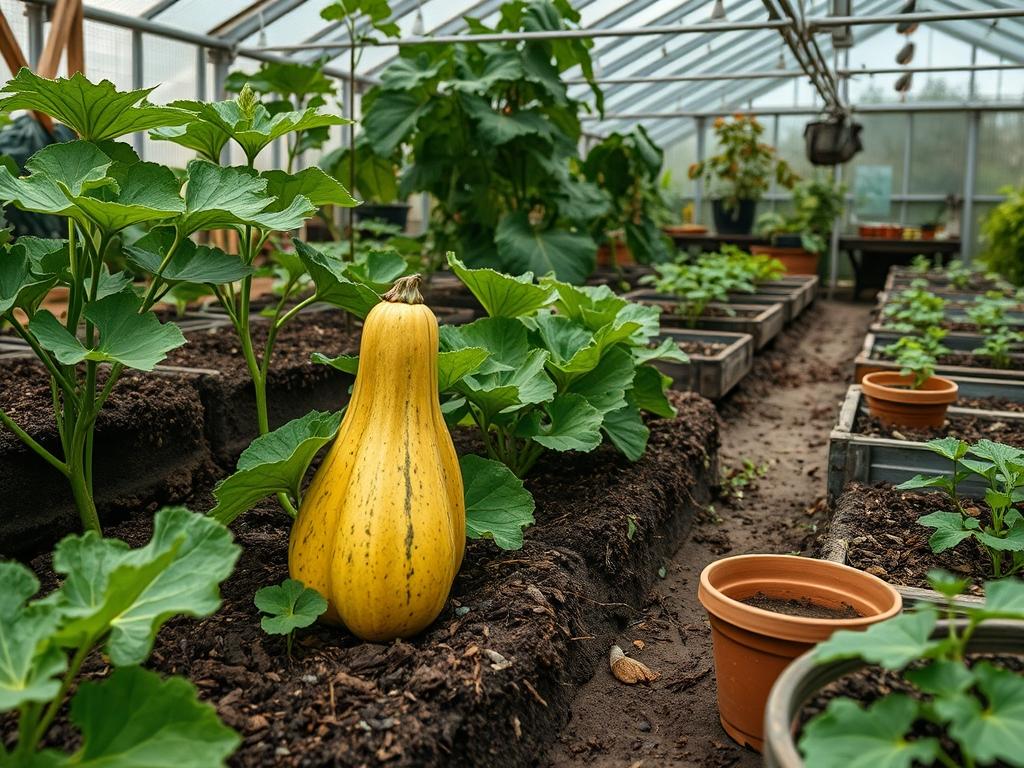
Integrating productive food crops into a sophisticated landscape requires a shift from traditional monoculture thinking toward a functional, multi-layered approach. The primary challenge in saving heirloom squash seeds within a residential or commercial garden lies in the architectural management of space and biology. Large vines can quickly overwhelm curated flower beds, yet the biological necessity of isolation means that different varieties of the same species must be separated by significant distances to prevent accidental cross-pollination. When planning for seed purity, a landscape architect must consider the site topography, prevailing wind patterns, and the movement of local pollinators. A well-designed garden does more than produce food; it enhances curb appeal through the use of structural trellises and lush ground covers while ensuring that the genetic integrity of heirloom varieties remains intact. By treating a vegetable patch as a formal feature, we can achieve outdoor functionality that serves both the aesthetic desires of the homeowner and the technical requirements of high-quality seed production.
Landscape Design Principles
Successful seed saving begins with the principle of symmetry and directional flow. When designing a layout for Cucurbita species, we use elevation layers to maximize square footage. Vertical structures, such as powder-coated steel obelisks or heavy-duty cedar arbors, allow vining squash like Tromboncino to grow upward. This creates a focal point that draws the eye away from the lower, broader foliage of ground-dwelling plants. Placing these structures at the end of a sightline creates a sense of purpose and destination within the garden. Furthermore, walkways must be wide enough, at least 4 feet, to allow for easy access during the delicate hand-pollination process. If paths are too narrow, the gardener risks damaging the large, brittle leaves or compacting the soil near the critical root zones.
Elevation also plays a role in moisture management and fruit health. By elevating the fruit off the ground, we reduce the risk of rot and soil-borne pathogens, which is essential when a fruit must remain on the vine until full maturity for seed viability. Irrigation planning must be subterranean or ground-based to avoid wetting the foliage. Drip irrigation tape hidden beneath 3 inches of organic cedar mulch ensures that water reaches the roots directly. This setup prevents the powdery mildew that often plagues squash in humid climates, keeping the plants healthy enough to dedicate their energy to seed development. Visual balance is achieved by flanking these productive zones with native pollinators, such as Echinacea or Rudbeckia, which distract from the somewhat chaotic nature of maturing squash vines during the late summer harvest window.
Plant and Material Selection
Selecting the right cultivars and materials is the foundation of a resilient landscape. For seed saving, one must understand the botanical classifications. You can grow one variety of Cucurbita pepo, one Cucurbita moschata, and one Cucurbita maxima in the same area without cross-pollination. However, two varieties of the same species will require hand-pollination and physical isolation. The following table outlines standard selections for a diverse, seed-saving landscape.
| Plant Type | Sun Exposure | Soil Needs | Water Demand | Growth Speed | Maintenance Level |
| :— | :— | :— | :— | :— | :— |
| Waltham Butternut | Full Sun | Rich, well-draining | 1.5 inches weekly | Fast | Moderate |
| Blue Hubbard | Full Sun | High organic matter | 2 inches weekly | Aggressive | High |
| Black Beauty Zucchini | Full Sun | Neutral pH | 1 inch weekly | Rapid | Medium |
| Yellow Crookneck | Full Sun | Loamy soil | 1.25 inches weekly | Moderate | Medium |
| Table Queen Acorn | Full Sun | Well-drained | 1 inch weekly | Moderate | Low |
For materials, use ten-gauge galvanized wire for custom supports. Garden staples help secure vines to the ground if a living mulch effect is desired. The soil should be amended with 1 part compost to 3 parts native soil to provide the nutrient density required for heavy seed production.
Implementation Strategy
The implementation of a seed-saving garden starts with professional grading. Standing water is the enemy of the squash family, as it leads to root asphyxiation and fungal outbreaks. We ensure a 2 percent slope away from the main growing beds or install French drains filled with 1-inch river rock to redirect runoff. Once grading is complete, the garden is laid out using professional-grade landscape fabric only in the permanent walking paths, never in the planting beds where it can interfere with soil gas exchange.
Edging is the next critical step. We define the squash beds with 4-inch steel edging or tumbled Belgian block. This creates a clean line between the lawn and the garden, preventing turf grass from encroaching on the squash. Once the beds are prepared, we install the drip irrigation system with 0.5-gallon-per-hour emitters. When the seedlings are transplanted, we apply a 4-inch layer of hardwood mulch to regulate soil temperature.
To facilitate hand-pollination, the gardener must be equipped with fine-bristled paintbrushes, latex-free rubber bands, and brightly colored survey tape. As female flowers appear, they are taped shut the evening before they open. The following morning, pollen is transferred from a male flower of the same variety using a paintbrush. The female flower is then taped shut again to prevent bees from introducing foreign pollen. This manual intervention is the only way to guarantee the heirloom purity of the seeds while maintaining a diverse garden layout.
Common Landscaping Failures
The most frequent mistake in edible landscaping is improper spacing. A Summer Crookneck might look small in a 4-inch pot, but at maturity, it requires a 3-foot by 3-foot footprint. Overcrowding leads to poor air circulation, which invites pests like squash bugs and diseases like bacterial wilt. Furthermore, when plants are too close, it becomes nearly impossible to track which vine belongs to which fruit, making seed labeling a nightmare.
Drainage mistakes often stem from a lack of site assessment. If a garden is placed at the base of a slope without a retaining wall or diversion swale, the heavy rains of mid-summer will drown the ripening fruit. Soil compaction is another hidden killer. Walking through the beds to perform hand-pollination crushes the delicate pore spaces in the soil, preventing oxygen from reaching the roots. We solve this by installing stepping stones or heavy timber planks to distribute the weight of the gardener. Finally, irrigation inefficiency, specifically overhead watering, causes blossom drop. If the pollen gets wet, it becomes heavy and sterile, rendering attempts at seed saving futile.
Seasonal Maintenance
Spring maintenance begins with a comprehensive soil test to ensuring phosphorus and potassium levels are adequate for fruit and seed development. We apply a 10-10-10 slow-release fertilizer before the first mulch application. As the weather warms, we check all irrigation timers and flush the lines to remove any sediment that accumulated over the winter.
Summer is the peak of activity. This season is dedicated to hand-pollination and monitoring for pests. We use yellow sticky traps to monitor for cucumber beetles and manually inspect the undersides of leaves for squash bug eggs. Pruning is also necessary; we remove the excessive secondary runners to focus the plant’s energy on the specific fruits selected for seed saving. Ensure that these chosen fruits are marked with permanent plant tags to avoid accidental harvest.
Autumn is the harvest and processing phase. Squash intended for seed saving must remain on the vine until the rind is so hard that it cannot be dented with a fingernail. After harvest, the fruit should cure in a dry, ventilated area for 3 weeks. This allows the seeds to fully finish maturing inside the fruit. Once processed, seeds are washed, dried on fine mesh screens, and stored in airtight glass jars.
Winter is the time for structural repairs and planning. We inspect all wooden trellises for rot and tighten any loose wire tensioners. This is also when we review the success of the previous season and decide which heirloom varieties to rotate for the coming year to maintain soil health.
Professional Landscaping FAQ
How far apart should different squash species be planted?
While different species like Cucurbita pepo and Cucurbita moschata do not cross, varieties within the same species require half a mile of separation unless you perform manual hand-pollination. In residential landscapes, hand-pollination is the standard solution for space constraints.
What is the best mulch for a squash garden?
We recommend coarse organic cedar mulch or clean wheat straw. These materials provide excellent insulation, suppress weeds, and eventually decompose to improve soil structure. Avoid dyed mulches, which can contain chemicals that affect the delicate microbial balance of the soil.
Can I save seeds from store-bought squash?
It is not recommended. Most commercial squash are hybrids, meaning their offspring will not grow true to the parent. For successful seed saving, you must start with certified heirloom seeds known for their genetic stability over multiple generations.
How do I know when the seeds are ready?
For summer squash like zucchini, the fruit must grow significantly past the eating stage until it reaches a massive size and changed color. For winter squash, wait until the vine dies back completely and the fruit has cured for several weeks.
Does hand-pollination affect the taste of the squash?
No, the fruit’s flavor is determined by the genetics of the parent plant. Cross-pollination only affects the genetics of the seeds inside the fruit, which would produce a different, potentially unpalatable, variety if planted the following year.