
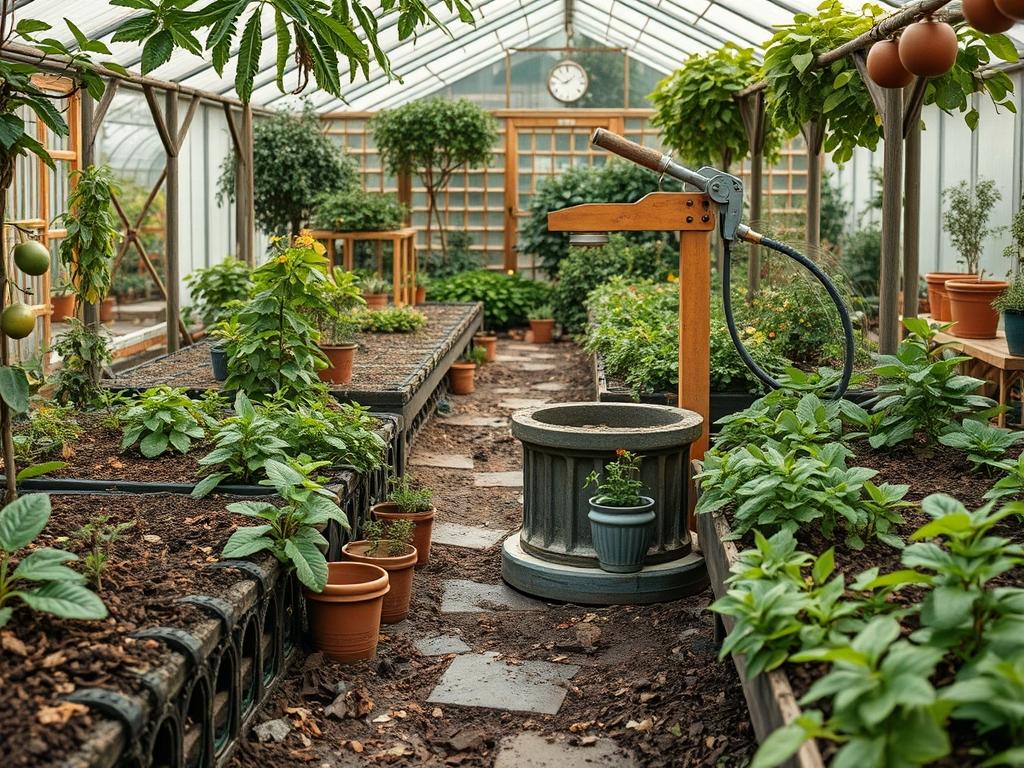
Integrating a traditional cider press into a landscape design requires a careful balance between functional utility and aesthetic charm. Many homeowners view processing equipment as a storage burden; however, when positioned correctly within a productive orchard or a dedicated outdoor kitchen, it becomes a compelling focal point. The primary challenge involves managing the heavy organic waste and acidic runoff associated with pressing, which can affect local soil chemistry and attract unwanted pests. By situating the press on a well-drained, paved surface and surrounding it with appropriate Malus domestica cultivars, you create a seamless transition between the harvest and the home. This approach enhances curb appeal by showcasing a working landscape that values tradition and craftsmanship. Successful integration depends on the climate; in humid regions, wood components require more frequent attention to prevent fungal growth, while arid climates demand protection against wood checking and cracking.
Traditional Cider Press Care begins with the physical environment. A press is not merely a tool; it is an industrial artifact that requires a stable, level foundation to operate safely. From a landscaping perspective, this means addressing the ground plane before the first bushel of apples arrives. Placing a heavy Cast Iron and White Oak press on soft turf leads to soil compaction and uneven pressure during the crank cycle, which can warp the frame. Instead, architects recommend a designated pressing station using Permeable Pavers or a Crushed Granite base. This allows the inevitable juice spills to be hosed away without creating a muddy quagmire. Furthermore, the positioning of the press should account for the prevailing wind and proximity to compost zones. Handling the pomace—the leftover skins and seeds—requires a clear path to a secondary processing area to maintain the visual tidiness of the outdoor environment.
Landscape Design Principles
When designing a space for a traditional cider press, symmetry and focal points are essential. Treat the press as a piece of garden sculpture. It should sit at the terminus of a walkway or within a central courtyard of an orchard. Using the principle of elevation layers, place the press on a slightly raised platform, perhaps a Flagstone patio edged with Timbers or Brick. This elevation ensures that gravity helps with drainage during the cleaning process. Symmetry can be achieved by flanking the pressing area with dwarf fruit trees or columnar varieties like Scarlet Sentinel, which provide a vertical element without overshadowing the press itself.
Visual balance is maintained by choosing materials that reflect the heritage of the equipment. If the press features dark green Lehigh Valley style ironwork and honey-colored wood, the surrounding hardscape should use earth tones. Irrigation planning is another critical design principle. Avoid placing high-output sprinkler heads directly near the press area. Instead, use Drip Irrigation for surrounding plants to keep the moisture focused on the roots and away from the wooden staves. Finally, ensure the walkway leading to the press is at least 48 inches wide to accommodate the movement of heavy crates and equipment.
Plant and Material Selection
The following table provides a guide for selecting the vegetation and hardware materials that best support a functional pressing environment.
| Plant or Material Type | Sun Exposure | Soil Needs | Water Demand | Growth Speed | Maintenance Level |
| :— | :— | :— | :— | :— | :— |
| Malus domestica (Apple) | Full Sun | Loamy, Well-Drained | Moderate | Medium | High |
| White Oak Staves | N/A (Material) | Dry Storage | Low (Occasional) | N/A | High |
| Lavandula angustifolia | Full Sun | Sandy, Alkaline | Low | Medium | Low |
| Cast Iron Hardware | N/A (Material) | N/A | N/A | N/A | Moderate |
| Trifolium repens (Clover) | Full/Partial | Versatile | Moderate | Fast | Low |
| USP Mineral Oil | N/A (Lubricant) | N/A | N/A | N/A | Low |
Implementation Strategy
The implementation of a cider-centric landscape begins with grading. You must ensure the site has a 2 percent slope away from the press foundation to prevent water from pooling around the wood. Start by excavating the area for your hardscape, typically a 6-foot by 6-foot zone for the press and operator. Install a base of 4 inches of compacted gravel followed by a 1-inch leveling sand bed before laying your choice of Natural Stone or Pavers.
Once the foundation is set, focus on the care and sanitization of the press itself. Traditional Cider Press Care involves an initial deep clean using a solution of Citric Acid or a specialized Sulfite wash to kill wild yeasts and bacteria dwelling in the wood pores. Every wooden component, from the Tubs to the Follower Blocks, must be inspected for splinters or cracks. Use Sandpaper (80 to 120 grit) to smooth any rough patches before applying a fresh coat of Food-Grade Tung Oil or USP Mineral Oil. This creates a hydrophobic barrier that prevents juice from soaking into the fibers. For the mechanical parts, apply Food-Grade Grease to the Acme Screw and any gear assemblies. This reduces friction and prevents metal shavings from falling into your juice. When the season ends, the press must be dismantled, scrubbed with a Nylon Brush, and dried completely in a shaded, well-ventilated area before being moved to winter storage.
Common Landscaping Failures
The most frequent mistake in orchard-based landscaping is improper drainage around processing zones. If the soil becomes saturated with apple juice, it can turn acidic, killing nearby turf and attracting hornets. Another failure is root overcrowding. Many homeowners plant apples too close to the pressing platform, only to find that the Surface Roots eventually heave the pavers. Always provide at least 8 to 10 feet of clearance between the press and the trunk of any standard-sized tree.
Soil compaction is another silent killer. Heavy foot traffic during any harvest event can crush the soil structure around your trees. To avoid this, define clear paths using Cedar Mulch or Wood Chips kept at a 3-inch depth. Irrigation inefficiencies also plague many homesteads. If the press is sanitized in the garden, the runoff must be managed. Do not allow sanitizing chemicals, even mild ones like Star San, to flow directly into sensitive plantings. Instead, direct the wash water toward a French Drain or a gravel-filled Dry Well that can filter the liquid safely into the subsoil.
Seasonal Maintenance
Seasonal management is the key to longevity for both your landscape and your cider press. In the spring, focus on the orchard. Prune the Apple Trees to ensure sunlight penetrates the inner canopy, which improves fruit quality. Check the press for any winter damage; look for wood shrinkage and tighten any Bolts or Hoops that may have loosened. As summer arrives, maintain a consistent watering schedule for the trees and keep the pressing area clear of debris.
Autumn is the peak activity period. Daily sanitization is required during the harvest. After each use, spray the press with a high-pressure hose to remove bits of pomace, then scrub with a Biodegradable Cleaner. Never let apple residue dry on the wood, as it becomes nearly impossible to remove without heavy abrasion. In the winter, move the press to a dry, unheated shed. Storing it in a heated basement can cause the wood to dry out too quickly and shrink, leading to structural instability. Apply a final thin layer of Mineral Oil to all metal surfaces to prevent rust during the damp winter months.
Professional Landscaping FAQ
How do I prevent my wooden cider press from rotting?
Apply Food-Grade Tung Oil annually to seal the grain. Ensure the press is never stored while damp. Elevate the wood off the ground using Pressure-Treated Skids or a stone patio to prevent moisture wicking from the soil.
What is the best way to sanitize the oak tubs?
Scrub the wood with a Nylon Brush and a solution of Potassium Metabisulfite. Rinse thoroughly with potable water. For a deep clean, use a Steam Cleaner to reach into the grain, followed by a complete air-dry cycle.
Can I leave my cider press outdoors during harvest season?
You may leave it out if it is under a Timber Frame Pavilion or covered with a Heavy-Duty Tarp. Prolonged exposure to direct UV rays and rain will degrade the wood finish and cause the metal to oxidize rapidly.
How do I manage the bees and wasps during pressing?
Position the press away from the main outdoor living area. Use Yellow Jacket Traps baited with apple juice placed 20 feet away. Immediately remove all Pomace to a sealed compost bin or a distant part of the property.
What foundation is best for a heavy antique press?
A Reinforced Concrete Pad or a thick Flagstone Hearth is ideal. The foundation must be perfectly level to distribute the torque of the screw evenly. Avoid using loose gravel alone, as it can shift under high pressure.