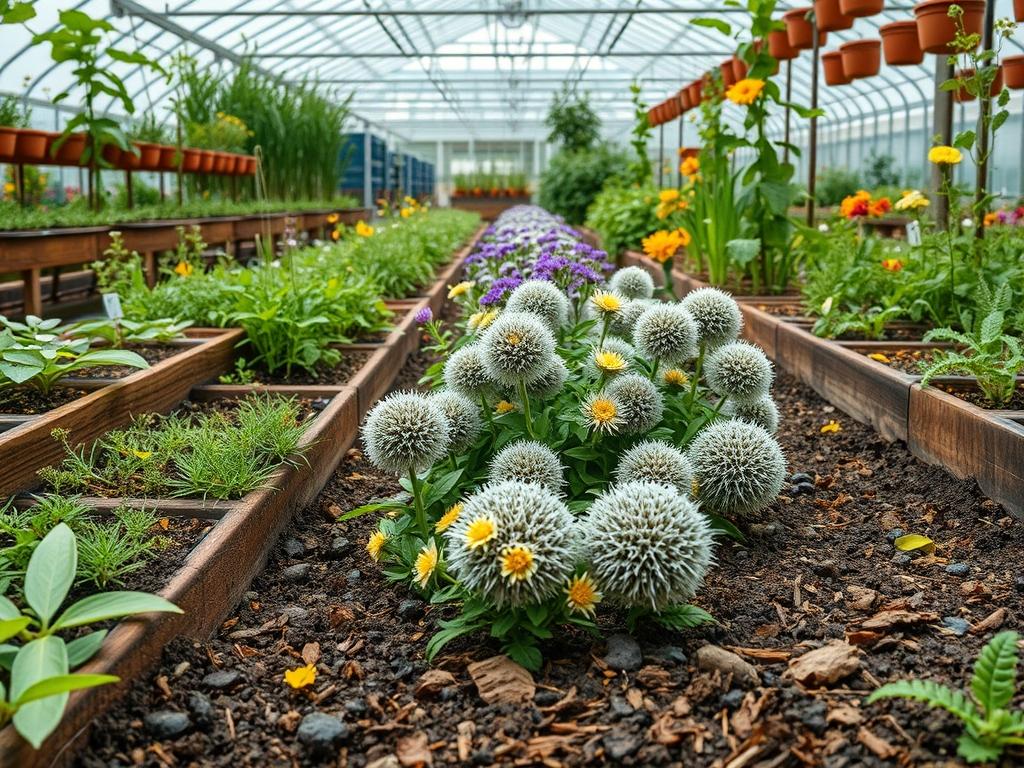
Transitioning a traditional landscape into a high-performance ecological habitat requires more than just scattering seeds across a lawn. In modern landscape architecture, we view the integration of native flora as a strategic upgrade to curb appeal and environmental resilience. Homeowners and commercial developers are increasingly moving away from high-maintenance monocultures; instead, they are favoring the structured beauty of rewilding. The use of Native Wildflower Seed Balls offers a precise method for establishing these habitats. This technique protects the seed from avian predation and extreme temperature fluctuations while ensuring the necessary nutrients are present for the critical germination phase. By focusing on the intersection of aesthetic outdoor functionality and soil health, a professional designer can create a space that requires fewer resources while providing a higher visual impact through seasonal color shifts and structural variety.
Rewilding is not an excuse for neglect; rather, it is a deliberate design choice that uses the site’s natural topography and climate to its advantage. When we plan a landscape in arid or temperate zones, the primary challenge is often water retention and soil stability. By using seed balls, we can target specific areas of a property, such as steep slopes or natural swales, where traditional planting would be difficult or dangerous. This approach improves the property’s ecological footprint and reduces the long-term costs associated with chemical fertilizers and excessive irrigation. A well-planned native garden functions as a living filter for runoff, mitigating the risks of erosion and enhancing the local microclimate.
Landscape Design Principles
Effective rewilding relies on the same core principles as formal garden design, including symmetry, focal points, and elevation layering. To prevent a native garden from appearing unkempt, we apply a “frame” to the wilder elements. This might involve using a steel edge or a low stone retaining wall to define the transition between a manicured walkway and a meadow of Purple Coneflower. Symmetry can be maintained by placing larger woody shrubs at the corners of a property, drawing the eye inward toward the softer textures of the wildflowers.
Focal points are essential in a large-scale rewilding project. A weathered granite boulder or a high-quality teak bench provides a sense of human intention within the natural landscape. Visual balance is achieved by managing the “visual weight” of different species. For instance, the airy stems of Milkweed should be balanced by the denser, darker foliage of Switchgrass. We also consider the grading of the site. Introducing subtle mounds or depressions can create different moisture zones, allowing for a higher diversity of species. Irrigation planning must also be addressed; while native plants are hardy once established, a temporary drip irrigation system is often necessary during the first two growing seasons to ensure deep root penetration.
Plant and Material Selection
Selecting the right biological components is the most critical step in the rewilding process. The plants must be indigenous to the specific county or ecoregion to ensure they can survive the local climate without constant intervention.
| Plant Type | Sun Exposure | Soil Needs | Water Demand | Growth Speed | Maintenance Level |
| :— | :— | :— | :— | :— | :— |
| Black-eyed Susan | Full Sun | Well-drained | Low | Fast | Low |
| Purple Coneflower | Full to Partial Sun | Loamy/Clay | Moderate | Medium | Low |
| Common Milkweed | Full Sun | Sandy/Rocky | Low | Fast | Medium |
| Little Bluestem | Full Sun | Poor to Average | Very Low | Slow | Very Low |
| Wild Bergamot | Full to Partial Sun | Moist/Loamy | Moderate | Medium | Low |
| Goldenrod | Full Sun | Adaptable | Low | Fast | Low |
For the construction of the seed balls themselves, we use a specific blend of minerals and organic matter. The standard professional ratio is 5 parts Dry Red Potter’s Clay, 3 parts Organic Sifted Compost, and 1 part Native Seed Mix. These materials are mixed with just enough water to form a malleable paste. The Red Potter’s Clay acts as a hard shell that prevents the seeds from being eaten by insects or blowing away in the wind. The Organic Sifted Compost provides a nutrient-dense environment for the seedling once it breaks through the clay shell. Small amounts of Fine Vermiculite can be added to the mix if the landscape experiences frequent dry spells, as this material helps retain moisture within the ball itself.
Implementation Strategy
The implementation of a native wildflower project begins with site preparation. One of the most common mistakes is attempting to plant over existing turf. To succeed, the sod must be removed using a mechanical sod cutter or neutralized through solarization. Once the soil is exposed, the area should be assessed for drainage and compaction. If the soil is heavily compacted from construction traffic, a power tiller or aerator should be used to loosen the top 4 inches of the earth.
After the ground is prepared, we apply the seed balls at a density of roughly 2 to 3 balls per square foot. Unlike traditional seeding, you do not bury the balls; they should be placed directly on the soil surface before a period of expected rainfall. The rain will slowly dissolve the clay, integrating the seeds and compost into the top layer of the earth. For large-scale backyard planning, we often use surveyor’s tape to mark out “drifts” of different colors. This ensures that the resulting meadow has a painterly quality rather than a scattered, random appearance.
We also consider the mulch depth in surrounding transition areas. A 2 inch layer of double-shredded hardwood mulch can be used along the perimeter to keep weeds at bay and provide a clean visual edge. If the project includes hardscaping, such as a permeable paver walkway or a gravel patio, these should be installed before the seed balls are distributed to prevent trampling the young seedlings.
Common Landscaping Failures
Failure in a rewilding project usually stems from a lack of site-specific analysis. Soil compaction is a primary culprit; if the roots cannot penetrate the earth, the wildflower will remain stunted or die during its first summer. Another frequent error is improper grading. If a site is too flat, water may pool and rot the seed balls before they have a chance to germinate. Conversely, if the slope is too steep without a terraced retaining wall, the seed balls may wash away during a heavy storm.
Irrigation inefficiencies also play a role. Many people assume that “native” means “no water required from day one.” In reality, the first 90 days are critical. If the weather is unseasonably dry, the young plants will need supplemental water to establish their taproots. Finally, we often see issues with root overcrowding. Using too much seed in the Native Wildflower Seed Balls creates competition between the seedlings, leading to weak plants that are susceptible to disease. The 1 part seed to 8 parts binder ratio is calculated to give each plant enough space to thrive.
Seasonal Maintenance
Landscape management for a rewilded space is less intensive but more specific than traditional lawn care. In the Spring, the focus is on monitoring the germination of the seed balls and removing any invasive winter weeds that may have taken hold. This is also the time to check the drainage channels to ensure they are free of debris from winter storms.
During the Summer, maintenance involves target-watering during extreme droughts and “deadheading” certain species if a tidier look is desired, though leaving the flower heads provides food for local fauna. In the Autumn, we recommend leaving the dried stalks standing. These provide essential habitat for beneficial insects and birds. The structural beauty of dried Little Bluestem or the dark seed heads of Coneflowers adds winter interest to the landscape.
Finally, in late Winter or very early spring, the entire area should be mowed or trimmed to a height of 6 inches using a string trimmer or a brush mower. This mimics the natural cycle of fire or grazing and clears the way for new growth to emerge.
Professional Landscaping FAQ
What is the best time of year to distribute seed balls?
The ideal time is late autumn or early spring. Autumn distribution allows the seeds to undergo natural stratification during the winter, while early spring distribution takes advantage of the frequent rains required to dissolve the clay shell.
Can I use seed balls on top of existing grass?
No, seed balls require direct soil contact to be successful. Existing turf creates a barrier that prevents the roots from penetrating the earth, and the grass will outcompete the young wildflowers for light and nutrients.
How long does it take for a rewilded meadow to look full?
A typical native meadow follows the “sleep, creep, leap” pattern. The first year is for root establishment; the second year shows moderate growth; and by the third year, the plants will be fully established.
Do I need a special type of clay for the mix?
Red Potter’s Clay or a similar natural earth clay is best. Avoid synthetic modeling clays or those with chemical additives, as these can inhibit germination and introduce toxins into the local ecosystem.
How do I prevent weeds from taking over my wildflowers?
In the first year, frequent manual weeding is necessary to remove aggressive non-natives. Once the indigenous plants are established, they will form a dense root mat and canopy that naturally suppresses the growth of most common weeds.