
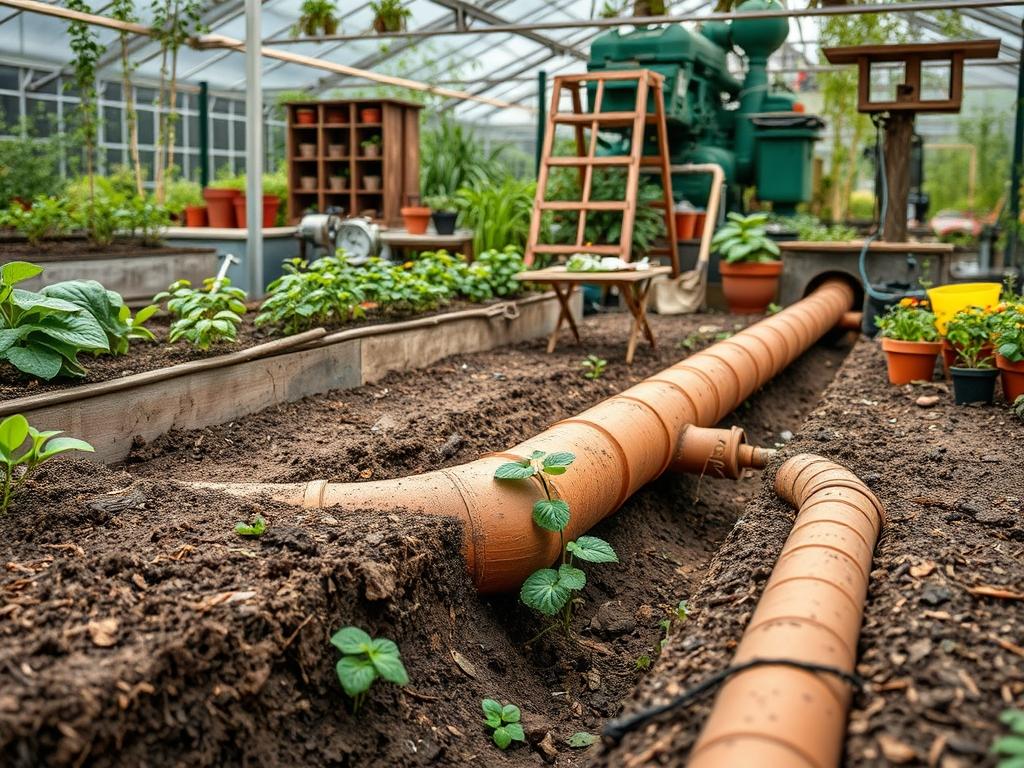
Modern landscaping projects often prioritize immediate visual impact, yet the most enduring designs are built upon a foundation of subterranean health. As a landscape architect, I have observed a recurring cycle where breathtaking gardens fail within five years due to poor hydrological management. The soil is the circulatory system of the property; if it cannot breathe or drain, the flora will inevitably suffer from root rot, anaerobic compaction, or nutrient leaching. While modern PVC and flexible plastic perforated pipes have become the industry standard due to their low cost and ease of installation, they often lack the structural integrity and environmental compatibility required for long-term ecological balance. Moving toward a more resilient outdoor environment requires revisiting time-tested materials. Traditional Clay Pipe Drainage remains one of the most effective solutions for maintaining soil vitality because it interacts with the earth as a natural component rather than a foreign obstruction.
The health of a landscape is directly tied to the porosity of its substrate. When we install heavy hardscaping elements like paver patios or stone retaining walls, we alter the natural flow of water. Traditional Clay Pipe Drainage excels in these high-pressure environments. Unlike plastic alternatives that may deform under the weight of compacted base rock or vehicle traffic, vitrified clay pipe maintains its shape for centuries. This rigidity ensures that the 1 percent grade required for effective drainage is preserved over decades. Furthermore, the natural thermal mass of clay helps to regulate the temperature of the surrounding subsoil, preventing the drastic fluctuations that can stress the delicate root systems of ornamental trees. By facilitating a steady, predictable moisture exit strategy, clay pipes help prevent the “bathtub effect” where water sits in a planting hole, drowning the specimen. This creates a sustainable environment where native plants and turfgrass can thrive despite unpredictable climate patterns.
Landscape Design Principles
Effective landscape design is a marriage of geometry and biology. We begin with the concept of symmetry and visual balance, ensuring that the focal points, such as a custom fountain or a centuries-old oak, are framed by elevation layers. By varying the height of the terrain, we create interest and direct the eye through the space. However, these elevation changes also serve a functional purpose in irrigation planning. High points must be designed to shed water toward collection zones where Traditional Clay Pipe Drainage can intercept it before it reaches the foundation of the home.
Walkways and paths should act as the veins of the garden, providing a clear transit route while echoing the lines of the house. We utilize radial symmetry in formal gardens to create a sense of order, while informal landscapes benefit from asymmetrical balance that mimics natural woodland settings. In both scenarios, the integration of drainage grates and catch basins must be seamless. A well-designed landscape hides its mechanical functions. The use of natural stone edging can mask the transition between a lush perennial border and a functional swale. By layering heights, starting with groundcovers and moving up to mid-story shrubs and then canopy trees, we create a microclimate that manages its own humidity and cooling, reducing the overall demand on the irrigation system.
Plant and Material Selection
Selecting the right biological components requires an understanding of the local USDA Hardiness Zone and the specific microclimates within a single yard. The following table outlines several versatile species that benefit from the stable moisture levels provided by superior drainage systems.
| Plant Type | Sun Exposure | Soil Needs | Water Demand | Growth Speed | Maintenance Level |
| :— | :— | :— | :— | :— | :— |
| Acer palmatum | Partial Shade | Loamy, Well-Drained | Moderate | Slow | Medium |
| Lavandula angustifolia| Full Sun | Sandy/Gravelly | Low | Medium | Low |
| Hydrangea macrophylla| Partial Sun | Rich, Moist | High | Fast | Medium |
| Buxus sempervirens | Full to Partial | Neutral pH | Moderate | Slow | High (Trimming) |
| Pennisetum alopecuroides| Full Sun | Adaptable | Low | Fast | Very Low |
| Echinacea purpurea | Full Sun | Poor to Fertile | Low | Medium | Low |
The materials used for hardscaping should complement the plant palette. For instance, weathered limestone provides a cool-toned contrast to the deep purples of Salvia, while terracotta accents can echo the earthy tones of Traditional Clay Pipe Drainage. When selecting mulch, a 3-point depth of double-shredded hardwood mulch is ideal for moisture retention and weed suppression.
Implementation Strategy
The successful installation of a high-end landscape begins with a comprehensive topographic survey. We must identify the “zero point” of the property to ensure all water moves away from the primary structures. Once the grading is established, we begin the trenching process for the drainage network. Trenching for Traditional Clay Pipe Drainage requires a depth of at least 18 inches to avoid interference with aeration or surface tilling.
After the trenches are excavated using a trenching shovel or mini-excavator, a bed of 3/4-inch washed gravel is laid. The clay pipes are then positioned. One of the primary benefits of clay is its chemical inertness; it will not leach microplastics into the food chain of the garden. The joints are typically wrapped in geotextile fabric to prevent silt and fine sediment from infiltrating the line. Once the pipes are in place, the trench is backfilled with more aggregate before the topsoil is replaced. This creates a vertical “chimney” of drainage that pulls excess water from the surface into the pipe. For the edging, we recommend 14-gauge steel or natural cobblestone to create a crisp line between the lawn and the planting beds. Finally, the irrigation zones are set, with drip emitters prioritized for shrubbery to minimize evaporation loss.
Common Landscaping Failures
The most frequent error in professional landscaping is the neglect of the “unseen.” Many contractors rely on thin-walled corrugated plastic tubing which is prone to crushing during the backfilling process or being pierced by the aggressive roots of a Salix babylonica (Weeping Willow). When these pipes fail, the soil becomes waterlogged, leading to soil compaction. Compacted soil lacks the pore space necessary for oxygen to reach the roots, essentially suffocating the plant.
Another common failure is improper spacing. Homeowners often plant for the size of the nursery container rather than the mature spread of the species. This leads to root overcrowding, where plants compete for the same limited nutrients and water. Furthermore, a lack of proper grading can lead to efflorescence on stone walls and mold growth on wooden decks. If the finish grade is too high against a home’s siding, it invites termite infestation and dry rot. Finally, over-reliance on automated irrigation without rain sensors can lead to overwatering, which is just as damaging as a drought.
Seasonal Maintenance
A landscape is a living entity that requires cyclical intervention to maintain its architectural integrity.
Spring: This is the season for renewal. Begin by removing winter debris and inspecting the drainage outlets for blockages. Apply a slow-release fertilizer to perennials and refresh the mulch to a depth of 3 inches. Prune summer-blooming shrubs before new growth begins.
Summer: Focus on water management. During heatwaves, deep watering in the early morning is essential. Monitor for pests like aphids or spider mites. Deadhead flowering plants to encourage a second bloom cycle and ensure the turfgrass is mowed at a height of 3.5 inches to shade the soil.
Autumn: This is the ideal time for aeration and over-seeding the lawn. Plant spring-flowering bulbs and deciduous trees. Clear fallen leaves from the drainage grates to prevent localized flooding during autumn rains. Apply a pre-emergent herbicide if necessary to prevent winter weeds.
Winter: Protect sensitive species with burlap wraps. Minimize foot traffic on frozen grass to prevent crown damage. Inspect retaining walls for shifting due to the freeze-thaw cycle. This is also the best time for structural pruning of large canopy trees while they are dormant.
Professional Landscaping FAQ
Why is clay better than plastic for long-term drainage?
Traditional Clay Pipe Drainage offers superior structural longevity and chemical inertness. Unlike plastic, it does not deform under soil pressure or degrade over time, ensuring a consistent water path that benefits long-term soil health and prevents root zone saturation.
How does proper drainage improve plant growth?
Effective drainage prevents anaerobic conditions where roots suffocate from lack of oxygen. By removing excess gravitational water, it allows the soil to maintain the ideal balance of air and moisture, which is critical for nutrient uptake and vigorous root expansion.
What is the ideal mulch depth for a new garden bed?
A depth of 3 inches is the professional standard. This thickness is sufficient to suppress weed germination and retain soil moisture during the summer, yet it is thin enough to allow oxygen exchange and prevent fungal issues at the plant base.
Can I install clay pipes in areas with heavy tree roots?
Yes. When properly joined and encased in filter media, clay pipes are highly resistant to root penetration compared to perforated plastic. Their weight and density make them a formidable barrier, protecting the internal flow from being compromised by thirsty root systems.
What are the signs of a failing landscape drainage system?
Key indicators include persistent soggy spots in the turf, the presence of moss in sunlit areas, or white mineral deposits on hardscaping. Plant yellowing and “dieback” from the top down often suggest that the root system is drowning.