Landscaping professionals often view the transition from late summer to autumn as the most critical window for long term site stability and ecological integration. While many homeowners focus on spring planting, the most successful installations of native meadows and pollinator gardens rely on Native Wildflower Seeding during the fall months. This timing is not merely a matter of convenience; it is a strategic alignment with the biological requirements of indigenous species. Most native seeds require a process known as cold stratification, where the damp, freezing temperatures of winter break down the hard outer seed coat. By mimicking the natural dispersal patterns of wild ecosystems, we ensure a higher germination rate and a more resilient root structure once the spring thaw arrives. Beyond the biological advantages, fall seeding provides a functional solution for erosion control and slope stabilization, particularly when integrating these zones into a larger architectural plan that includes retaining walls, graded swales, and permeable walkways.
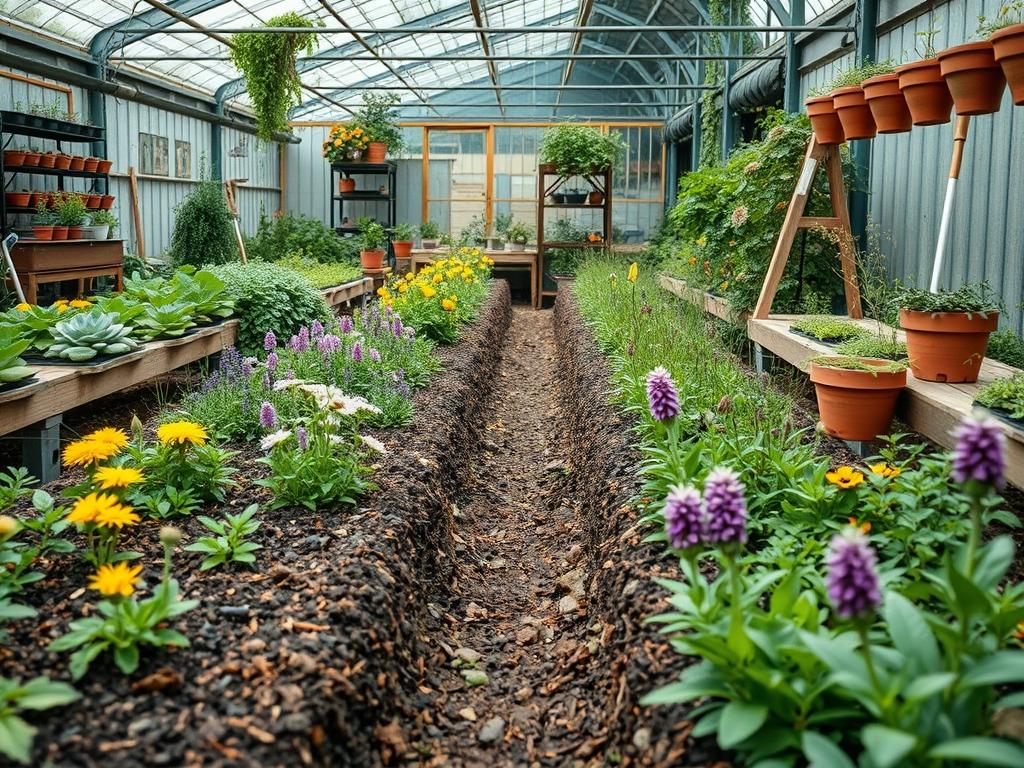
Successful outdoor environment design requires a balance between aesthetic curb appeal and the practical realities of land management. When we plan large scale wildflower transitions, we are looking at the site through the lens of longevity and low impact maintenance. The “window” for fall seeding typically opens after the first killing frost but before the ground has become a frozen mass, usually occurring between October and early December depending on the specific hardiness zone. During this period, weed competition is minimal, and the dormant seeds can settle into the soil profile without the pressure of immediate heat stress or predatory insects that characterize the summer months. Integrating a wildflower meadow into a modern landscape adds a layer of soft, organic movement that contrasts beautifully with the rigid lines of architectural concrete or natural stone edging. It transforms a high maintenance turf area into a functional ecosystem that requires a fraction of the water and zero synthetic fertilizers once established.
Landscape Design Principles
Integrating native wildflowers into a professional landscape requires more than just scattering seeds; it requires an adherence to core design principles like symmetry, focal points, and elevation layers. We often use wildflowers to create a visual transition between highly manicured zones near the home and the wilder, outer boundaries of a property. By applying a tiered elevation strategy, we place lower-growing species like Lupine or Vining Violets near the front of a flagstone walkway, while taller, structural plants like Joe Pye Weed or Ironweed occupy the midground or background. This creates a sense of depth and intentionality that prevents a wild meadow from looking unkempt. Visual balance is achieved by anchoring these soft plantings with permanent structures, such as a timber arbor or a series of boulders, which provide a year-round framework even when the flowers are dormant.
Functional design also necessitates the planning of irrigation systems and drainage. Even though native plants are drought tolerant, the initial establishment phase requires consistent moisture management. We design the landscape to include slight undulations in grading to capture runoff, directing water toward the meadow zones to utilize natural hydration. Walkway design is equally important; we incorporate meandering paths using decomposed granite or mulch to allow the property owner to move through the meadow without compacting the soil. This interaction with the environment is a primary goal of modern landscape architecture, turning a static backyard into an immersive outdoor living space.
Plant and Material Selection
The following table provides a selection of common native species used in fall seeding projects, categorized by their site requirements and performance characteristics.
| Plant Type | Sun Exposure | Soil Needs | Water Demand | Growth Speed | Maintenance Level |
| :— | :— | :— | :— | :— | :— |
| Black-eyed Susan | Full Sun | Well-drained | Low | Fast | Minimal |
| Purple Coneflower | Full to Part Sun | Loamy/Clay | Medium | Moderate | Low |
| Butterfly Milkweed | Full Sun | Sandy/Dry | Very Low | Slow | Low |
| Lanceleaf Coreopsis | Full Sun | Poor/Rocky | Low | Fast | Minimal |
| Wild Bergamot | Part Shade | Moist/Rich | Medium | Moderate | Moderate |
| Little Bluestem | Full Sun | Well-drained | Low | Moderate | Minimal |
Implementation Strategy
The implementation of a native meadow begins with rigorous site preparation. The most common cause of failure is inadequate removal of existing competitive vegetation. We typically recommend a process of soil solarization or the use of sod cutters to remove turf grass and its root mat. Once the site is cleared, the grading must be checked to ensure that water does not pool in a way that will rot the seeds. A light tilling of the top 2 inches of soil is occasionally necessary, but over-tilling should be avoided as it brings dormant weed seeds to the surface. For large areas, a seed drill or a whirlwind spreader is used to achieve even distribution, often mixing the seed with damp sawdust or vermiculite to ensure visibility and prevent the wind from carrying the lightweight seeds away.
Once the seed is broadcast, it is imperative to ensure proper seed to soil contact. We use a weighted roller or cultipacker to press the seeds into the earth without burying them too deeply; most native seeds should be no deeper than 1/8 inch. In areas prone to erosion, a thin layer of straw mulch or a biodegradable erosion blanket is applied to hold the soil in place. Unlike traditional gardening, we do not add heavy layers of wood chips over a seed bed, as this will prevent sunlight from reaching the germinating seedlings in the spring. Finally, we install steel edging or stone borders to define the bed, which provides a clean, professional finish to the installation.
Common Landscaping Failures
One of the most frequent errors in Native Wildflower Seeding is sowing the seeds too early in the autumn. If a warm spell occurs after seeding but before the true winter arrives, the seeds may germinate prematurely. These young seedlings lack the root depth to survive the subsequent frost, leading to a total loss of the crop. Another common failure is poor drainage planning. If the soil remains saturated for weeks at a time due to improper grading or a lack of French drains, the seeds will succumb to fungal rot. We also see many projects fail due to soil compaction; if heavy equipment has been used on the site recently, the soil must be aerated to allow roots to penetrate the ground.
Improper spacing and overcrowding also present challenges. If seeds are sown too densely, the plants will compete for nutrients and light, resulting in a stunted and leggy appearance. Professionals must also be wary of irrigation inefficiencies. While the seeds are dormant in winter, the ground must not be allowed to dry out completely if there is no snow cover. Conversely, over-watering in the spring can encourage the growth of invasive species that thrive in wet conditions. Understanding the specific microclimate of a backyard, including wind patterns and light duration, is essential to avoiding these costly mistakes.
Seasonal Maintenance
Landscape management is a year round commitment that evolves with the seasons. In the Spring, the focus is on monitoring the new sprouts. We look for invasive weeds and remove them by hand before they can establish deep taproots. This is also the time to check the irrigation heads for blockages and ensure the mulch in surrounding beds is not encroaching on the meadow. As we move into Summer, the native plants will begin to bloom. During the first year, we may suggest a high-mow at about 6 inches to cut back taller annual weeds, allowing the perennial wildflowers to receive necessary sunlight.
When Autumn returns, the cycle begins again. We leave the dried seed heads on the plants for as long as possible to provide food for local songbirds and to allow for natural self-seeding. Finally, a late season mow or a controlled trim helps tidy the site for winter. During the Winter, the landscape remains functional as a wildlife habitat. We avoid salt applications near the wildflower beds, as excessive sodium can damage the soil chemistry. By following this professional maintenance schedule, the native meadow becomes more lush and diverse every year, eventually requiring very little human intervention.
Professional Landscaping FAQ
What is the best time for fall seeding?
The ideal window is after the first hard frost but before the ground freezes. This typically falls between late October and mid-December. This timing prevents premature germination and ensures the seeds undergo necessary winter dormancy and cold stratification.
Do I need to fertilize my native wildflowers?
No, native plants generally prefer lean soil. Excessive nitrogen can promote foliage growth at the expense of flowers and encourage weed competition. Most native species are adapted to local soil conditions and do not require supplemental synthetic fertilizers once established.
How do I prevent weeds in a new meadow?
Proper site preparation is the only way to minimize weeds. Remove all existing turf and weeds before seeding. In the first growing season, mowing the meadow to a height of six inches can prevent weeds from flowering and setting new seeds.
Can I seed wildflowers on a steep slope?
Yes, but you must use erosion control measures. Applying biodegradable coconut coir blankets or a light layer of weed-free straw helps hold the seeds and soil in place until the root systems can stabilize the incline naturally.
How long does it take for a meadow to look full?
A native meadow typically follows a three year cycle. The first year involves root establishment, the second year shows initial blooms, and by the third year, the meadow reaches full maturity and creates a dense, colorful visual display.