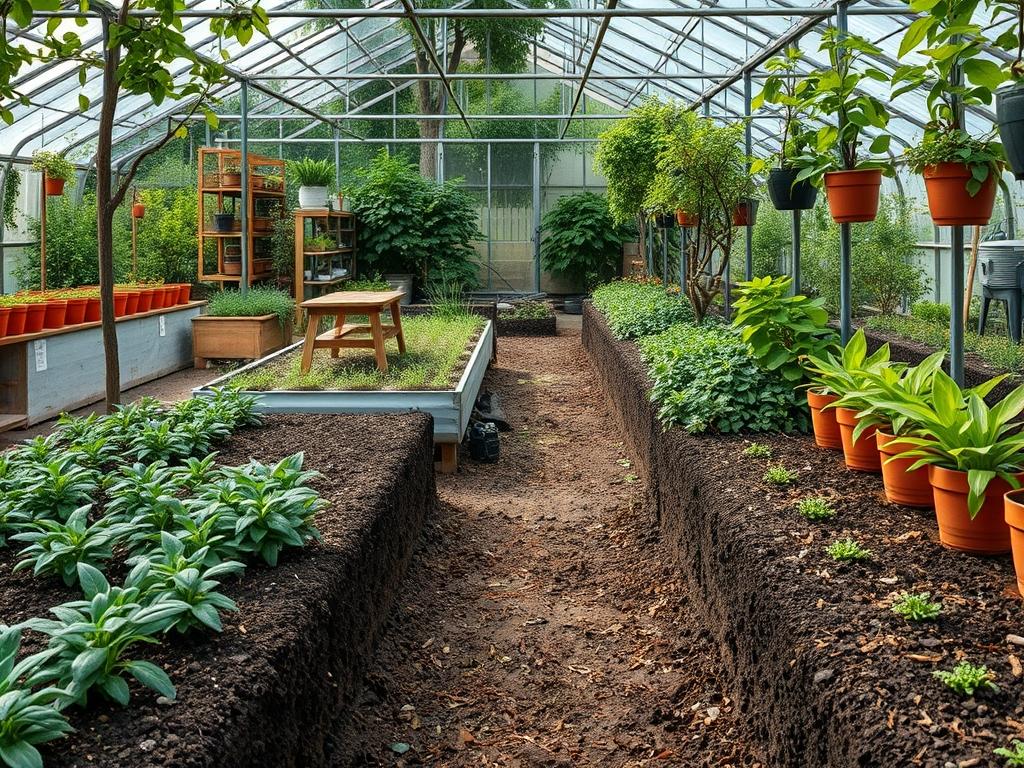
Traditional Orchard Management serves as a bridge between wild ecology and structured landscape architecture. In modern residential and commercial design, the challenge lies in balancing aesthetic curb appeal with a functioning ecosystem. A monoculture orchard is brittle; it invites pests and requires heavy chemical intervention. Conversely, a biodiverse orchard utilizes varying species to create a self sustaining environment. This approach enhances the outdoor living experience by providing shade, privacy, and a sense of permanence that young ornamentals often lack. By focusing on biodiversity, we ensure that the land remains productive through shifting climate patterns while maintaining a lush, tiered visual profile. A well planned orchard does more than just produce fruit. It stabilizes the soil, manages groundwater through deep root systems, and creates a microclimate that can reduce ambient temperatures around a home.
Architecting these spaces requires a deep understanding of the site specific climate. We must consider the chill hours for Apples or Pears while simultaneously planning for the heat tolerance of ground covers like Wild Strawberry. A biodiverse orchard is a multi layered landscape. It includes a high canopy, a mid story of fruiting shrubs, and a herbaceous layer that serves as a living mulch. This complexity is not merely for show. It mimics a natural forest edge, which is the most productive type of ecosystem in nature. When we design with biodiversity in mind, we are building a legacy landscape that grows in value and beauty over decades.
Landscape Design Principles
Integrating Traditional Orchard Management into a property requires a balance of formal design principles and ecological function. Symmetry is often the first instinct in orchard layout, but modern professional standards suggest a semi regular grid. This allows for sunlight to reach the lower branches while maintaining a clean, organized appearance from the street. Focal points are essential for curb appeal. Using a large, Standard Rootstock Cherry Tree as a central anchor can define the entire backyard. Around this anchor, we place lower elevation layers such as Blueberry Bushes or Currants to soften the transition from the tree canopy to the lawn.
Irrigation planning must be integrated into the initial design phase. We utilize Low Volume Drip Emitters to target the root zones of specific trees without wasting water on the open spaces between them. Walkways are another critical design element. To ensure the orchard is functional, paths should be at least 48 inches wide. Using materials like Decomposed Granite or Flagstone provides a stable surface for a Heavy Duty Garden Cart while allowing water to permeate the soil. Visual balance is achieved by repeating certain colors or textures. For example, the silvery foliage of a Pyrus salicifolia can be mirrored by planting Lavender along the edges of the orchard, creating a cohesive and intentional look.
Plant and Material Selection
| Plant Type | Sun Exposure | Soil Needs | Water Demand | Growth Speed | Maintenance Level |
| :— | :— | :— | :— | :— | :— |
| Malus domestica | Full Sun | Well drained loam | Moderate | Medium | High |
| Pyrus communis | Full Sun | Clay or Loam | High | Medium | Moderate |
| Trifolium repens | Full Sun to Part Shade | Any | Low | Fast | Low |
| Symphytum officinale | Partial Shade | Moist / Rich | Moderate | Fast | Low |
| Prunus avium | Full Sun | Deep / Sandy | Moderate | Fast | High |
| Vaccinium corymbosum | Full Sun to Part Shade | Acidic | High | Slow | Moderate |
| Ribes nigrum | Partial Shade | Moist | Moderate | Medium | Low |
Material selection extends beyond the plants themselves. Using Organic Cedar Mulch at a depth of 4 inches helps retain moisture and suppress weeds. For structural elements, Pressure Treated Timber or Natural Stone is preferred for retaining walls. These materials provide the necessary weight to hold back soil while blending into the natural environment of the orchard.
Implementation Strategy
The transition from a design on paper to a physical landscape requires a systematic implementation strategy. The process begins with Grading. We must ensure the land has a 2 percent slope away from the foundation of any structures. This prevents water from pooling and protects the health of the trees. Once the grade is established, we mark the locations of the primary trees according to their mature width, ensuring at least 20 feet of space between large varieties.
Edging is the next step. Defining the boundaries of the orchard with Steel Edging or Belgium Block creates a professional finish and prevents turf grass from encroaching on the tree roots. After the trees are installed, we focus on the understory. We plant nitrogen fixing species like Clover or Vetch to naturally fertilize the soil. Drainage is addressed through the installation of Perforated Drain Tile Bals in areas prone to saturation. Finally, hardscaping elements such as benches or decorative walls are added. We always ensure that Geotextile Fabric is placed under any stone paths to prevent sinking and weed growth. This layered approach ensures the orchard is both beautiful and structurally sound.
Common Landscaping Failures
One of the most frequent mistakes in orchard planning is root overcrowding. Designing for the current size of a sapling rather than its size in 20 years leads to a lack of sunlight and air circulation, which invites fungal diseases. Soil compaction is another silent killer. Using heavy machinery near the dripline of established trees crushes the soil structure and prevents oxygen from reaching the roots. We recommend using Hand Tools or Small Walk Behind Excavators when working within the root zone.
Improper drainage leads to root rot, especially in heavier clay soils. If a site does not drain within 24 hours after a heavy rain, a French Drain or Sump System must be installed. Furthermore, many homeowners fail to account for irrigation inefficiencies. Overhead sprinklers are wasteful and promote leaf spot diseases. Transitioning to a Pressure Compensating Drip System is the most effective way to ensure healthy growth. Lastly, improper mulch application, known as Mulch Volcanoes, where mulch is piled against the trunk, will cause the bark to rot and eventually kill the tree. Mulch should always be kept 3 inches away from the trunk flare.
Seasonal Maintenance
Professional landscape management follows the rhythm of the seasons. In the spring, the focus is on pruning and structural integrity. We use Bypass Pruners to remove any dead or crossing branches, allowing for maximum light penetration. This is also the time to apply a Slow Release Organic Fertilizer to support the initial growth flush. As we move into summer, moisture management becomes the priority. Monitoring the soil with a Tensiometer helps ensure that trees receive enough water during heatwaves without over saturating the ground.
Autumn is dedicated to sanitation and preparation for dormancy. Removing fallen fruit and leaves is essential to prevent pests like the Codling Moth from overwintering. We also apply a fresh layer of Compost during this time to nourish the soil through the winter. Winter maintenance involves dormant pruning, which is the best time to thin the canopy. We also apply Horticultural Oil to the trunks to suffocate any lingering insect eggs. By following this seasonal schedule, we maintain the delicate balance of the biodiverse orchard, ensuring it remains a centerpiece of the landscape year after year.
Professional Landscaping FAQ
Why is biodiversity important in traditional orchard management?
Biodiversity creates a self regulating ecosystem. By including various plants, you attract beneficial insects and improve soil health, which reduces the need for synthetic pesticides and heavy fertilizers while increasing the overall resilience of the landscape.
How much space should I leave between fruit trees?
For standard sized trees, a minimum of 25 feet is required. Semi dwarf varieties can be spaced 15 feet apart. Proper spacing ensures adequate sunlight and airflow, which are critical for preventing disease and ensuring fruit quality.
What is the best way to handle poor drainage in an orchard?
Install a French Drain or create raised planting mounds. Ensuring a 2 percent grade allows water to move away from the root zones. Proper drainage prevents root rot and ensures the long term health of the trees.
When is the best time to prune my orchard?
Heavy structural pruning should occur in late winter while the trees are dormant. This timing minimizes stress on the plant and allows you to clearly see the branch structure before the spring buds begin to open and obscure the view.
What type of mulch is best for a biodiverse orchard?
Arborist Wood Chips or Cedar Mulch are excellent choices. They break down slowly, adding organic matter to the soil while suppressing weeds and maintaining consistent moisture levels. Always keep mulch away from the direct contact with the trunk.