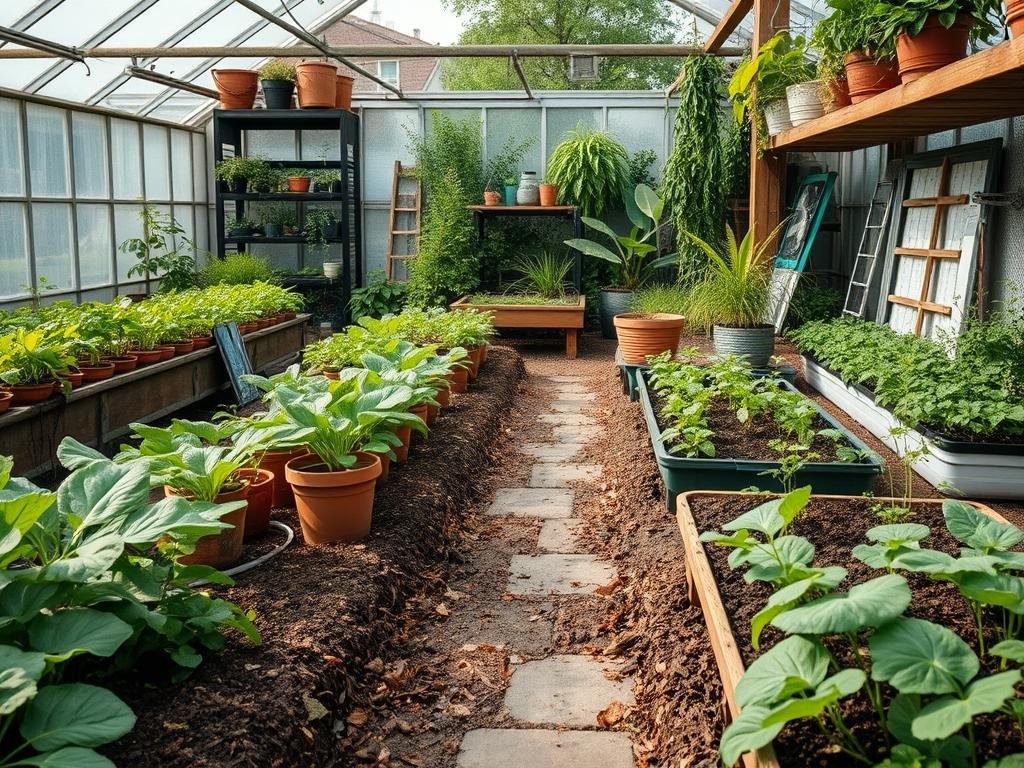
Maintaining a pristine outdoor environment requires more than just an intuitive sense of aesthetics; it demands a rigorous commitment to sanitation and architectural foresight. For the professional landscape architect, the presence of pests like thrips is often a symptom of underlying structural flaws or neglected maintenance protocols. These minute insects, characterized by their fringed wings and rasping mouthparts, can decimate a garden’s foliage and flower beds in a matter of weeks. The philosophy of Natural Thrip Control resides in the proactive management of the habitat. By eliminating the debris, weeds, and stagnant air zones where these pests thrive, a designer creates a resilient ecosystem that discourages infestation before it begins. A clean landscape is not merely a visual triumph; it is a functional barrier against the biological stressors that compromise curb appeal and plant longevity.
The challenge of controlling thrips is exacerbated by their ability to hide in the smallest crevices of a plant’s anatomy. When a garden is cluttered with leaf litter or overcrowded with vegetation, it provides the perfect microclimate for these insects to reproduce. High humidity and lack of airflow are the primary catalysts for a thrip population explosion. From a consultancy perspective, the goal is to integrate sanitation into the very fabric of the landscape design. This involves selecting materials that are easy to clean, planning for efficient drainage, and ensuring that every plant has the physical space required for optimal health. A well-designed garden functions like a living machine, where every component, from the Hand Rake used for seasonal cleanup to the Drip Irrigation lines, contributes to an environment where pests find no harbor.
Landscape Design Principles
A successful landscape begins with the principle of symmetry and visual balance, which serves both aesthetic and diagnostic purposes. When a garden follows a structured layout, irregularities such as pest damage or fungal growth become immediately apparent to the eye. Symmetry allows a property owner to compare one side of a walkway to the other, making it easier to spot the silvering of leaves or the distorted growth patterns typical of thrips. Focal points, such as a large Specimen Tree or a manicured Evergreen Shrub, should be positioned to allow for 360 degree access. This accessibility is vital for Natural Thrip Control, as it ensures that maintenance crews can reach into the interior of the plant to remove deadwood and thinning branches where pests often overwinter.
Elevation layers play a critical role in managing the movement of air through the garden. By utilizing a tiered approach, placing shorter perennials in the foreground and taller woody ornamentals in the background, a designer can facilitate a constant breeze. This airflow dries out the leaf surfaces after a rain event, reducing the humidity that attracts thrips. Furthermore, the use of Retaining Walls or raised planters can help isolate different plant groups. This physical separation prevents the rapid spread of insects from one bed to another. Walkways, whether constructed from Crushed Granite or Porcelain Pavers, should be wide enough to prevent plants from overhanging and touching. Contact between different species provides a highway for thrips to migrate across the entire property.
Visual balance must also be weighed against irrigation planning. A common mistake in luxury landscaping is over-watering, which leads to soil compaction and puddling. These conditions stress the root systems of ornamental plants, making them more susceptible to thrip attacks. By incorporating a gentle 2 percent grade away from the main planting beds, a landscape architect ensures that excess moisture is directed into French Drains or catch basins. Keeping the ground surface dry is a fundamental pillar of garden cleanliness. When the top layer of Mulch remains dry, it is less likely to host the larval stages of various garden pests.
Plant and Material Selection
| Plant Type | Sun Exposure | Soil Needs | Water Demand | Growth Speed | Maintenance Level |
| :— | :— | :— | :— | :— | :— |
| English Lavender | Full Sun | Well-drained, Sandy | Low | Medium | Medium |
| French Marigold | Full Sun | Rich, Loamy | Moderate | Fast | Low |
| Common Yarrow | Full Sun | Poor to Average | Low | Fast | Low |
| Russian Sage | Full Sun | Dry, Alkaline | Very Low | Fast | Low |
| Catnip | Full to Part Sun | Well-drained | Low | Fast | Medium |
| Sweet Alyssum | Full to Part Sun | Moist, Well-drained | Moderate | Fast | Low |
| Purple Coneflower | Full Sun | Deep, Fertile | Moderate | Medium | Low |
Implementation Strategy
The implementation of a clean garden starts with the foundational work of grading and site preparation. Before a single plant is placed in the ground, the soil must be leveled and sloped to ensure that water never stagnates near the crown of the plants. Using a Skid-Steer Loader for initial grading allows for precision in creating the subtle contours necessary for drainage. Once the site is prepared, Steel Edging or Aluminum Edging should be installed to create a crisp, clean border between the turf and the planting beds. This edging serves as a physical barrier against invasive weeds, which are often the primary reservoirs for thrip populations before they move onto ornamental species.
When it comes to the planting process, spacing is the most important factor for long term cleanliness. Each specimen must be planted at a distance that accounts for its mature spread. For example, if a Boxwood Shrub has a predicted width of 36 inches, it should be planted at least 40 inches from its neighbor. This gap ensures that as the plants grow, they do not create a dense, impenetrable thicket where air cannot circulate. After planting, a layer of Pine Bark Mulch should be applied at a depth of exactly 2 to 3 inches. This thickness is sufficient to suppress weeds and retain necessary moisture without becoming a matted, soggy mess that promotes rot.
Hardscaping elements, such as gravel paths or stone patios, should be integrated as “clean zones.” Using Landscape Fabric beneath these stone areas prevents weeds from emerging through the gaps. If a garden features a water element, it must be equipped with a high quality Submersible Pump to keep the water moving. Stagnant water attracts a variety of insects and creates an environment where pests can thrive. Finally, the use of Drip Irrigation emitters at the base of each plant, rather than overhead sprinklers, keeps the foliage dry. Dry leaves are significantly less attractive to thrips and are less prone to the fungal diseases that often follow a pest infestation.
Common Landscaping Failures
One of the most frequent failures in residential landscaping is the mistake of improper drainage. When water collects at the base of a plant, it leads to a condition known as wet feet. Stressed plants release chemical signals that help pests like thrips locate them across the garden. If a property suffers from poor soil percolation, the installation of a Sump Pump or a series of Trench Drains is necessary. Ignoring the movement of water is the fastest way to invite a pest crisis that no amount of cleaning can fully resolve.
Root overcrowding is another significant issue, particularly in urban environments where space is limited. When plants are forced to compete for nutrients and water, their natural defense mechanisms are weakened. This often occurs when homeowners plant too many species in a small Cedar Planter or narrow border. Without enough soil volume, the plants become stunted and their leaves become thin and brittle, providing an easy meal for thrips. Similarly, soil compaction caused by heavy foot traffic or construction equipment prevents oxygen from reaching the roots. A professional should use an Aerator or a Broadfork to loosen the soil before any large scale planting project begins.
Irrigation inefficiencies are equally damaging. Many systems are set to a timer that does not account for seasonal changes or rainfall. Over-irrigation creates a humid canopy that thrips find irresistible. On the other hand, underwatering leaves plants dehydrated and unable to produce the sap and resins that naturally deter insects. Achieving the right balance requires the use of a Soil Moisture Meter to monitor the conditions at the root zone. Furthermore, the failure to remove spent blooms, a process known as deadheading, allows thrips to remain on the plant and continue their lifecycle within the decaying flower tissue.
Seasonal Maintenance
In the spring, maintenance should focus on the removal of any winter debris that has accumulated in the beds. Using a Leaf Blower or a Tine Rake, gardeners should clear out dead leaves, fallen twigs, and holiday mulch. This is also the time to apply a fresh layer of Organic Compost to jumpstart plant growth. Ensuring that the garden is clean in the spring prevents the first generation of thrips from establishing a foothold as the weather warms. Monitoring new growth with Blue Sticky Traps can help identify pest presence early in the season.
Summer maintenance is dominated by the need for hydration and sanitation. As heat levels rise, the gardener must be diligent about deadheading flowers. Spent roses, lilies, and marigolds should be removed with Pruning Shears and disposed of away from the garden site. If thrips are spotted, a gentle application of Insecticidal Soap or Neem Oil can be used as part of a Natural Thrip Control program. It is essential to keep the weed population under control during these months, as many common weeds like pigweed and dandelion are secondary hosts for thrips.
Autumn brings a transition toward preparation for dormancy. The goal during this season is to strip the garden of any material that could house overwintering insects. Perennials that have finished their cycle should be cut back to the ground. All fallen fruit or vegetable remains in kitchen gardens should be cleared. This period of deep cleaning is the most effective way to ensure a pest free start for the following year. In winter, maintenance is largely structural. This is the ideal time for heavy pruning of deciduous trees using a Pole Saw. Removing crossing or rubbing branches opens up the canopy, ensuring that by the time spring arrives, the garden is perfectly ventilated and ready for a healthy growing season.
Professional Landscaping FAQ
How does mulch depth affect thrip populations?
A mulch layer of exactly 2 to 3 inches suppresses weeds that host thrips. However, exceeding this depth creates a damp, anaerobic environment that can harbor larvae. Using a Spade to maintain consistent depth is essential for effective Natural Thrip Control.
Which tools are best for cleaning debris in tight spaces?
A Hand Trowel and a Small Wire Rake are indispensable for reaching under low hanging foliage. Removing hidden leaf litter from the base of shrubs eliminates the primary hiding spots where thrips and other pests commonly overwinter during the cold months.
Why is airflow more important than pesticides?
Natural Thrip Control relies on physical conditions rather than chemicals. High airflow lowers humidity and physically disrupts the movement of tiny insects. Strategic pruning with Bypass Pruners ensures that the interior of the plant canopy remains dry and inhospitable to pests.
Can native plants help with thrip management?
Yes, native species are often more resilient to local pest pressures. By selecting plants like Purple Coneflower, you encourage predatory insects such as lacewings and ladybugs. These beneficial insects provide a biological layer of defense that complements a clean garden environment.
What is the fastest way to spot a thrip infestation?
Look for silver or bronze scarring on the leaves and small black specks of waste. Using a Magnifying Glass or a Jeweler’s Loupe allows you to see the insects themselves. Early detection through regular cleaning and inspection prevents widespread damage.