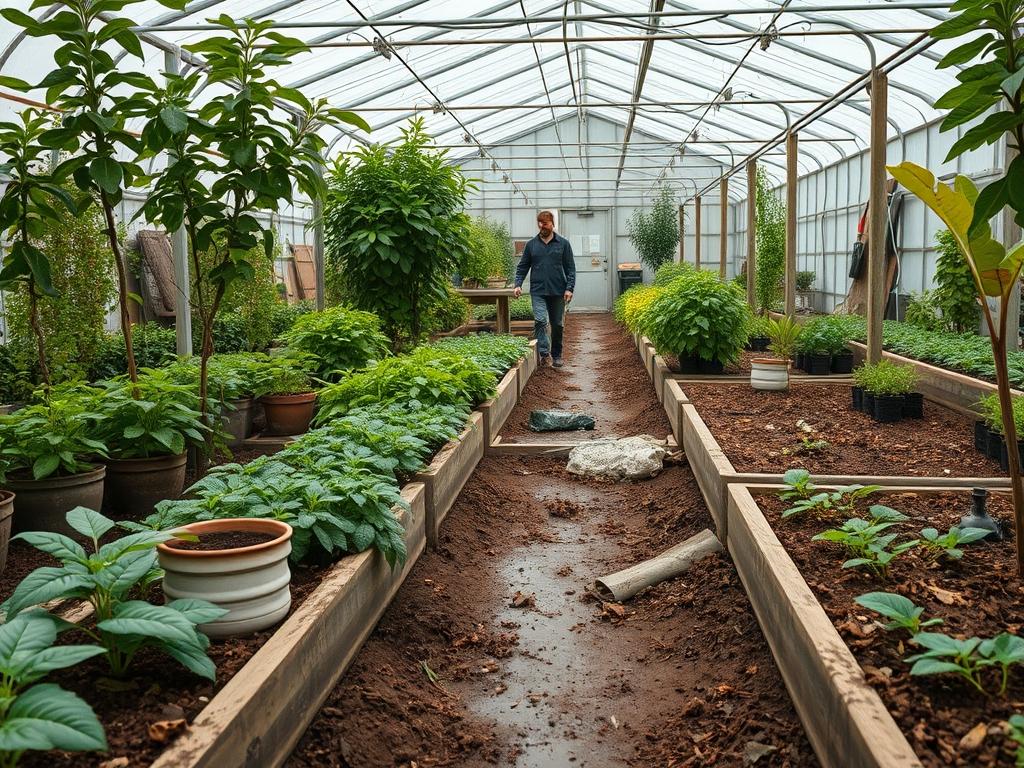
Integrating edible elements into a sophisticated residential landscape design requires a delicate balance between aesthetic elegance and functional biodiversity. As modern site planning shifts toward ecological resilience, the practice of saving rare bean strains has emerged as a vital strategy for both food security and garden aesthetics. Traditional landscape architecture often prioritizes ornamental greenery that offers little in terms of genetic preservation or nutritional value. However, high-end outdoor environments can serve as living laboratories for rare germplasm while maintaining significant curb appeal. The challenge lies in managing the diverse growth habits of heirlooms, which may not always conform to the rigid structures of a formal garden. By utilizing architectural supports and strategic placement, designers can transform a standard backyard into a sanctuary for agricultural history. This approach addresses the increasing demand for sustainable living while ensuring that unique genetic traits, such as drought resistance and specific pest immunities, are not lost to the march of monoculture.
Successful landscape planning for these rare varieties must account for regional climate variables and microclimates within a single property. The orientation of a garden bed, for instance, dictates the success of a climbing pole bean versus a compact bush variety. Southern exposures provide the intense heat necessary for tropical heritage strains, whereas partially shaded areas might be required to prevent the scorching of delicate foliage in arid zones. Beyond the horticultural needs, the functionality of the space must accommodate easy harvesting and maintenance without sacrificing visual harmony. Incorporating these plants into the overall site plan requires a deep understanding of soil structure, drainage patterns, and the lifecycle of nitrogen-fixing legumes. When executed correctly, a landscape centered on saving rare bean strains creates a multi-sensory experience that combines the beauty of flowering vines with the profound purpose of environmental stewardship.
Landscape Design Principles
Effective landscape design is rooted in the thoughtful application of symmetry and visual balance, especially when incorporating productive plants like rare legumes. To prevent a garden from appearing cluttered or utilitarian, designers use focal points to draw the eye toward intentional structures. A custom powder-coated steel obelisk wrapped in vibrant Scarlet Runner vines provides a dramatic vertical element that anchors a circular garden bed. Symmetry is achieved by mirroring these structures across a central walkway, creating a sense of order that frames the organic growth of the plants. Elevation layers are equally important; low-growing bush beans can serve as an edible fringe or groundcover, while mid-height shrubs provide a backdrop for the taller climbing varieties. This layering technique mimics natural ecosystems and ensures that every square foot of the landscape contributes to the overall aesthetic.
Irrigation planning is perhaps the most critical technical component of a high-end landscape project involving rare seeds. Drip irrigation systems, hidden beneath a uniform layer of double-processed hardwood mulch, deliver water directly to the root zones, minimizing evaporation and preventing foliar diseases. Walkways should be constructed from porous materials like stabilized decomposed granite or irregular flagstone to allow for proper water infiltration and to prevent soil compaction near the planting beds. Visual balance is further maintained by contrasting the delicate, trifoliate leaves of the bean plants with the bold, architectural foliage of native perennials or structured evergreens. By treating the rare bean strains as featured specimens rather than hidden food sources, the landscape architect elevates the act of conservation to a high art form.
Plant and Material Selection
| Plant Type | Sun Exposure | Soil Needs | Water Demand | Growth Speed | Maintenance Level |
| :— | :— | :— | :— | :— | :— |
| Cherokee Trail of Tears | Full Sun | Well-drained Loam | Moderate | Fast | Medium |
| Dragon Tongue Bush Bean | Full Sun/Part Shade | Compost-rich | Low to Moderate | Moderate | Low |
| Scarlet Runner Bean | Full Sun | Deep, Fertile Soil | High | Rapid | Medium |
| Hidatsa Shield Figure | Full Sun | Sandy Loam | Low | Moderate | Low |
| Purple Podded Pole | Full Sun | Neutral pH | Moderate | Fast | High |
| Native Prairie Grasses | Full Sun | Poor to Average | Very Low | Slow | Very Low |
Implementation Strategy
The transition from a conceptual design to a physical landscape involves a rigorous implementation strategy focused on site preparation. The first step involves grading the terrain to ensure a consistent 2 percent slope away from building foundations and toward designated drainage areas or bioswales. Proper grading prevents the standing water that often leads to root rot in sensitive heirloom varieties. Once the subgrade is established, installers should focus on edging. Using 14-gauge steel edging creates clean, crisp lines that separate manicured turf from the productive garden beds, providing a professional finish that defines the space.
After the hardscaping and structural elements are in place, the focus shifts to soil horizons. Landscape architects generally recommend a soil profile consisting of a 6-inch layer of premium organic topsoil amended with aged compost. This provides the necessary cation exchange capacity to support the heavy nutrient demands of rare bean varieties. When planting, each variety must be spaced according to its specific growth habit to ensure adequate air circulation. For climbing strains, the installation of vertical supports must be completed before the seeds are sown to avoid disturbing the root systems later. Finally, a 3-inch mulch depth is applied to regulate soil temperature and suppress weeds, completing the installation with a clean and polished appearance.
Common Landscaping Failures
One of the most frequent errors in garden planning is the failure to address drainage issues before planting. Legumes are particularly susceptible to damping off and fungal pathogens if the soil remains saturated for extended periods. Simple mistakes, such as placing a garden bed at the base of a downspout without a French drain or adequate diversion, can result in the total loss of a rare seed crop. Additionally, soil compaction caused by heavy footwear or construction machinery destroys the soil structure, limiting the oxygen available to nitrogen-fixing bacteria. This often results in stunted growth and poor yields, regardless of the quality of the seeds used.
Improper spacing is another common pitfall that affects both the health of the plants and the visual appeal of the landscape. Overcrowding rare bean strains creates a stagnant environment that invites pests like aphids and spider mites. From a design perspective, overcrowding leads to a chaotic, overgrown look that detracts from the property’s curb appeal. Furthermore, irrigation inefficiencies, such as the use of overhead sprinklers, can lead to the leaching of nutrients and the spread of bacterial blight. A professional landscape must utilize zoned irrigation that tailors water delivery to the specific needs of each plant group, ensuring that rare genetics are protected from environmental stress.
Seasonal Maintenance
Spring maintenance begins with the inspection of all hardscaping and irrigation components. As the ground thaws, it is essential to check for frost heave in retaining walls and to clear any debris from drainage grates. The soil should be tested for pH and nutrient levels before the first seeds are planted. Once the danger of frost has passed, the installation of rare bean strains can commence. During the summer, the primary tasks involve monitoring for pests and ensuring that the irrigation system is performing optimally during heat waves. Supplemental fertilization with a low-nitrogen, high-phosphorus organic blend may be necessary to encourage flowering and pod development without promoting excessive leaf growth.
Autumn is the most critical season for the goal of saving rare bean strains. As the pods dry on the vine, they must be harvested and processed for long-term storage. This is also the time for “garden cleanup,” where spent vines are removed and composted, provided they are free of disease. In the winter, the landscape architect focuses on protection and planning. Applying a thicker layer of mulch helps insulate the soil and protects the roots of any perennial companions. This dormant season is also the ideal time to reflect on the performance of different varieties and to refine the planting plan for the following year, ensuring that the garden remains both a beautiful retreat and a bastion of agricultural biodiversity.
Professional Landscaping FAQ
How does mulch type affect rare bean growth?
Organic mulches, such as shredded hardwood or straw, are ideal because they break down over time and improve soil structure. Avoid using dyed mulches or large stones, as they can alter soil chemistry or retain excessive heat near delicate stems.
Can I grow rare beans in containers for aesthetics?
Yes, high-quality terra cotta or stone planters are excellent for bush varieties. Ensure the containers have adequate drainage holes and use a professional-grade potting mix to provide the aeration and nutrient density required for successful seed production in small spaces.
What is the best way to support heavy climbing beans?
Use architectural elements like cedar pergolas or heavy-duty cattle panels integrated into the garden design. These structures provide the necessary strength to support the weight of the vines while serving as permanent visual features in the landscape throughout the year.
Why is nitrogen fixation important for landscape health?
Beans have a symbiotic relationship with bacteria that convert atmospheric nitrogen into a form plants can use. This naturally enriches the soil, reducing the need for synthetic fertilizers and benefiting the surrounding ornamental plants within the integrated landscape design.
How do I prevent cross-pollination between different rare strains?
To maintain genetic purity, provide adequate physical distance between varieties or use isolation cages. In a residential landscape, you can also stagger planting dates so that different strains bloom at different times, effectively preventing accidental hybridization between your heirloom collections.