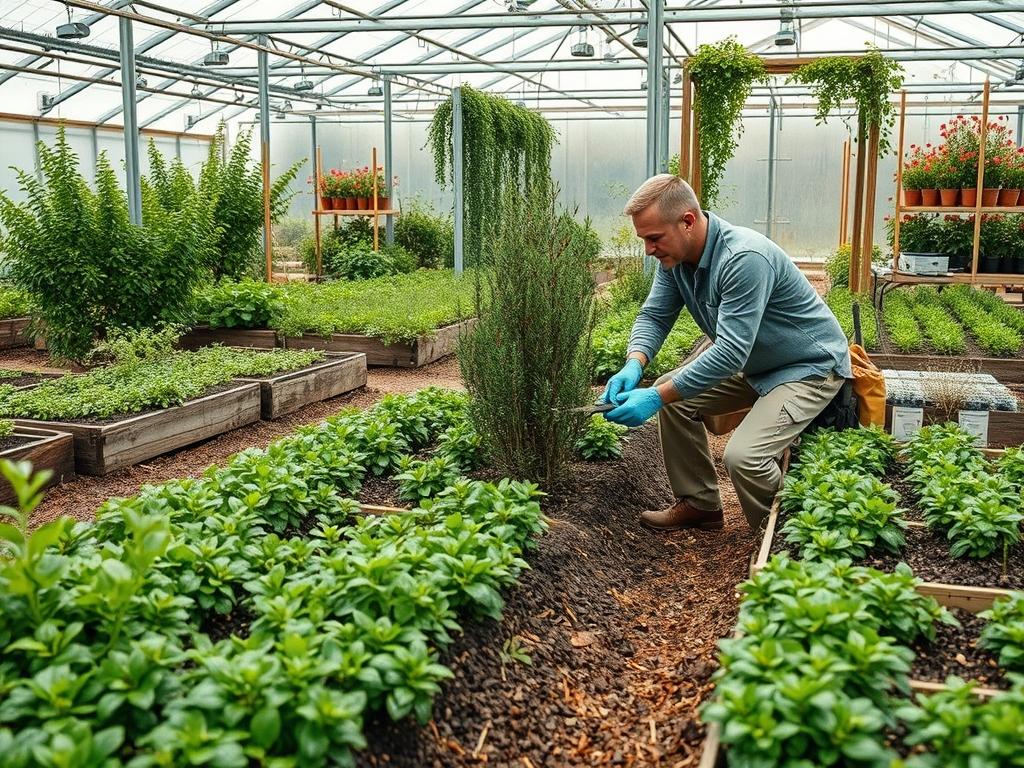
Navigating the delicate balance between structural integrity and the wild aesthetic of indigenous flora is the cornerstone of modern environmental design. Native shrub pruning requires a departure from the rigid, geometric shearing often seen in suburban landscapes; it demands an understanding of a species’ unique growth habit, its reproductive cycle, and its role within the broader ecology. When homeowners or developers approach a site, the primary goal is often curb appeal, yet the long-term functionality of the outdoor space depends on how the plant material is managed over several seasons. Proper technique allows a California Lilac or a Mountain Laurel to thrive while maintaining a size that does not overwhelm walkways or windows. This approach preserves the natural architectural form of the plant, ensuring that the garden looks intentional rather than neglected, while still providing the habitat and pollen sources local wildlife require. Climate considerations also play a vital role, as a well-pruned shrub can better withstand heavy snow loads or high winds by allowing air to pass through its canopy rather than acting as a solid sail.
Landscape Design Principles
Successful landscape design relies on the intentional placement of elements to create a sense of order and movement. Symmetry is often used near entrances to provide formal structure, but asymmetrical balance frequently works better for native gardens to mimic natural environments. Focal points should be established using specimen shrubs that possess unique bark textures or striking seasonal colors. For instance, the peeling bark of a Ninebark provides winter interest, making it an excellent candidate for a primary visual anchor.
Elevation layers are essential for a professional look. The design should transition from low-growing groundcovers to mid-story shrubs and finally to the overhead canopy. This layering creates depth and hides unsightly foundations. Irrigation planning must be integrated into the initial design phase to ensure that moisture reaches the root zones without causing rot. Walkways should be wide enough to accommodate the mature spread of shrubs, preventing the need for aggressive, corrective pruning that ruins the natural shape. Visual balance is achieved when the weight of the plantings matches the scale of the hardscaping, such as retaining walls or paver patios.
Plant and Material Selection
Selecting the right material is the foundation of a low-maintenance landscape. The following table outlines several popular native shrubs that respond well to selective pruning while maintaining their natural silhouettes.
| Plant Type | Sun Exposure | Soil Needs | Water Demand | Growth Speed | Maintenance Level |
| :— | :— | :— | :— | :— | :— |
| Arrowwood Viburnum | Full Sun to Shade | Well-Drained | Moderate | Fast | Medium |
| Serviceberry | Full Sun / Part Shade | Loamy/Acidic | Moderate | Medium | Low |
| Red Twig Dogwood | Full Sun / Part Shade | Moist/Wet | High | Fast | High |
| Dwarf Ninebark | Full Sun | Adaptable | Low | Medium | Low |
| Spicebush | Part Shade / Shade | Rich/Moist | Moderate | Medium | Medium |
| Inkberry Holly | Full Sun / Part Shade | Sandy/Acidic | Moderate | Slow | Low |
Using the right tools is just as important as selecting the right plants. Professionals rely on high-quality bypass pruners for small stems, loppers for branches up to 2 inches in diameter, and folding saws for larger structural limbs. Using the wrong tool can crush the vascular tissue of the plant, leading to disease and dieback.
Implementation Strategy
The transition from a blueprint to a living garden requires a systematic approach to site preparation and installation. Begin with grading the land to ensure that water moves away from the home’s foundation; a minimum 2% slope is standard for effective drainage. Once the grade is established, map out the planting beds with fluorescent marking paint.
When digging the holes for your native shrubs, ensure they are at least twice as wide as the root ball but no deeper. The root flare, where the trunk meets the roots, must remain visible at the soil surface. After the shrubs are positioned, install drip irrigation lines directly over the root zones to maximize water efficiency. Cover the area with a 3-inch layer of shredded hardwood mulch to retain moisture and suppress weeds, but keep the mulch at least 2 inches away from the stems of the shrubs to prevent bark decay.
For the actual pruning process, use thinning cuts rather than heading cuts. A thinning cut removes a branch at its point of origin or where it joins another branch. This technique reduces the bulk of the plant without stimulating the “witches broom” effect, which is the dense, messy regrowth caused by cutting off just the tips of branches. This strategy keeps the interior of the shrub open to sunlight and airflow, which is critical for preventing fungal infections in humid climates.
Common Landscaping Failures
The most frequent mistake in native shrub management is improper spacing. Homeowners often install plants too close together to achieve an “instant” full look, resulting in root overcrowding and competition for nutrients within three years. This leads to stunted growth and increased susceptibility to pests.
Another common failure involves drainage. Many native shrubs cannot tolerate “wet feet,” and planting them in a low spot without a proper French drain or catch basin will result in root rot. Soil compaction is another silent killer. During construction or hardscaping installation, heavy machinery often packs the soil so tightly that oxygen cannot reach the roots. This must be remediated with core aeration or the addition of organic matter before any planting occurs. Finally, irrigation inefficiencies, such as using overhead sprinklers that wet the foliage rather than the roots, can lead to powdery mildew and other foliar diseases that mar the beauty of your native specimens.
Seasonal Maintenance
Landscape management is a year-round commitment that changes with the weather. In the spring, focus on renewal pruning. This involves removing the oldest one-third of the stems from multi-stemmed shrubs like Dogwood or Viburnum down to the ground. This encourages fresh, vigorous growth and keeps the plant youthful. This is also the time to apply a balanced, slow-release fertilizer if the soil test indicates a deficiency.
During the summer, maintenance should be minimal. Limit pruning to the removal of broken branches or “water sprouts,” which are thin, vertical shoots that suck energy from the main plant. Ensure that the 3-inch mulch layer is intact to protect roots from the heat.
Autumn is the season for sanitation. Remove any fallen, diseased leaves from the base of the shrubs to prevent pathogens from overwintering in the soil. Do not perform heavy pruning in late autumn, as this can stimulate new growth that will not have time to harden off before the first frost.
Winter is the structural phase. With the leaves gone, the “bones” of the plant are visible. This is the best time to identify crossing branches or structural weaknesses. Large-scale rejuvenation pruning, where a shrub is cut back significantly to reset its shape, should be done in late winter while the plant is still dormant.
Professional Landscaping FAQ
How do I know when to prune my flowering native shrubs?
Prune spring-blooming shrubs immediately after their flowers fade. For those that bloom in summer or autumn on new wood, prune them in late winter or early spring before new growth begins to emerge.
What is the best way to prevent weeds in new shrub beds?
Apply a 3-inch layer of organic mulch and use landscape staples to secure a high-quality filter fabric if necessary. However, consistent hand-weeding or targeted organic pre-emergents are often more effective for long-term health.
Can I use hedge trimmers on all my native shrubs?
Avoid using powered hedge trimmers on species with large leaves or an open growth habit. Trimmers create blunt cuts that lead to dieback. Use hand shears or bypass pruners to maintain a natural, healthy shape.
How much water do newly planted native shrubs actually need?
During the first growing season, most shrubs require approximately 1 inch of water per week. In periods of extreme heat, check the top 2 inches of soil; if it feels dry, provide a deep, slow soaking.
Why are the interior leaves of my shrubs turning yellow?
This is often caused by a lack of sunlight or airflow within the canopy. Use thinning cuts to remove some of the outer branches, allowing light to reach the center of the plant and stimulating more balanced growth.