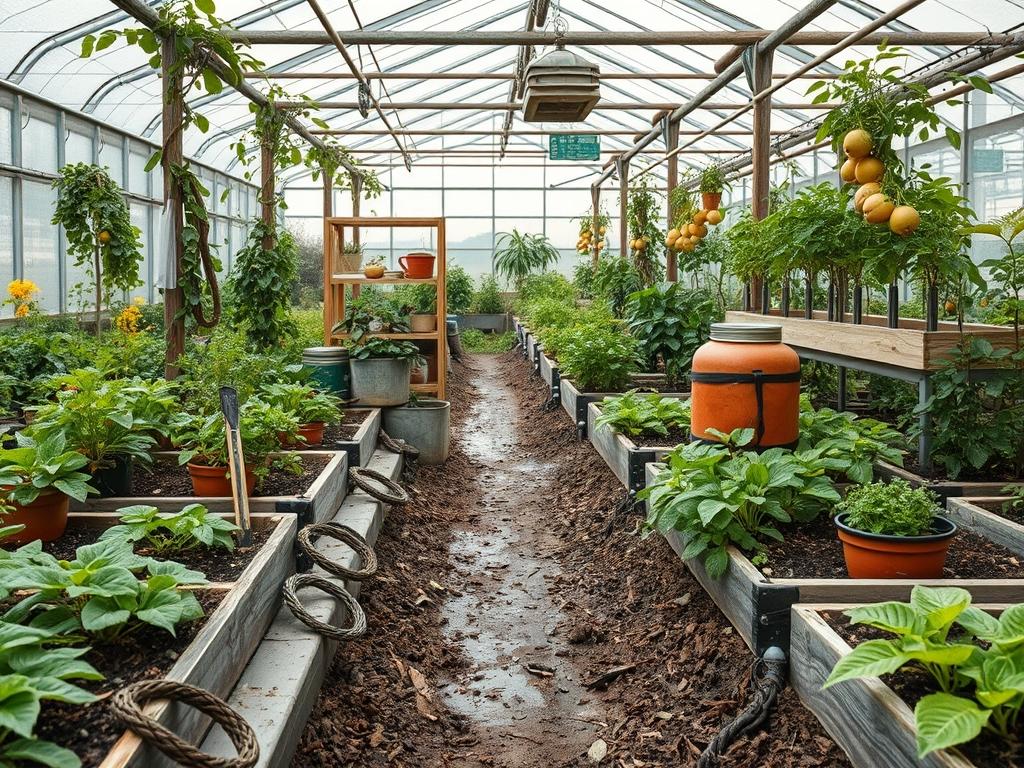
Designing a productive landscape requires a precise balance between aesthetic curb appeal and the utilitarian demands of sustainable harvest. When planning a garden that supports Traditional Fruit Preservation, the landscape architect must consider how the spatial arrangement influences fruit quality and yield. The challenge lies in integrating fruit-bearing perennials into a residential site without compromising the architectural integrity of the home. Climate considerations, such as microclimates created by retaining walls or brick fences, play a vital role in extending the growing season for cultivars that might otherwise struggle in northern zones. A well-designed orchard layout ensures that the outdoor environment remains functional throughout the harvest, providing the necessary infrastructure for processing and storing surplus produce. By viewing the garden as a source of raw materials for preservation, homeowners can transform a simple backyard into a sophisticated, high-yielding ecosystem.
Landscape Design Principles
Symmetry serves as the foundation for a formal orchard that doubles as a visual focal point. Aligning fruit trees in a linear fashion creates clear sightlines, which helps in perceiving the garden as an intentional landscape rather than an overgrown thicket. For smaller properties, the use of espalier techniques, where trees are trained to grow flat against a wooden trellis or stone wall, provides a vertical layer of interest that maximizes square footage. These structures serve as focal points while also making the harvest more accessible for techniques such as sun-drying or fermenting.
Elevation layers are equally critical in a preservation-focused landscape. By utilizing terracing and retaining walls, a designer can manage water runoff and provide optimal drainage for sensitive root systems. The inclusion of 3-tiered plantings, consisting of a canopy of standard fruit trees, a mid-story of berry shrubs, and a ground cover of herbs, creates a lush, dense appearance. This vertical stratification ensures that the site produces a variety of fruits suited for different preservation methods, from heavy jams to delicate syrups.
Walkways should be constructed from durable materials like crushed granite, flagstone, or permeable pavers. These paths must be wide enough, typically 36 inches to 48 inches, to allow for the transport of heavy harvest baskets and maintenance equipment. Visual balance is achieved by flanking these paths with low-growing perennials that repel pests naturally. Integrated irrigation planning is the final pillar of the design, ensuring that moisture reaches the root zone consistently. A drip irrigation system installed beneath a layer of organic mulch prevents the fluctuation in water levels that often causes fruit to crack, which is a common problem when preparing fruit for high-quality canning.
Plant and Material Selection
Selecting the right plant material is the most important decision for long-term preservation success. The following table outlines the requirements for common orchard additions.
| Plant Type | Sun Exposure | Soil Needs | Water Demand | Growth Speed | Maintenance Level |
| :— | :— | :— | :— | :— | :— |
| Dwarf Apple Tree | Full Sun | Well-drained Loam | Moderate | Medium | High |
| European Pear | Full Sun | Rich Organic | High | Slow | Moderate |
| Highbush Blueberry | Full Sun to Part Shade | Acidic (pH 4.5-5.5) | High | Medium | Moderate |
| Concord Grape | Full Sun | Sandy/Gravelly | Low to Moderate | Fast | High |
| Elderberry | Part Shade to Full Sun | Moist/Rich | High | Fast | Low |
| Alpine Strawberry | Part Shade | Loose/Humus | Moderate | Fast | Low |
| Quince | Full Sun | Adaptable/Clay | Moderate | Medium | Moderate |
In addition to plant selection, hardscape materials must reflect the goals of Traditional Fruit Preservation. Galvanized steel for raised beds provides longevity, while cedar provides natural rot resistance for arbors and pergolas. When building preservation areas, such as outdoor kitchens or smokehouses, use fire brick and natural mortar to ensure the structures can withstand the heat required for water-bath canning or dehydrating processes.
Implementation Strategy
Implementing a preservation-ready landscape begins with a thorough site analysis. Start by marking the grade of the land to identify low spots where water might pool. Proper grading is essential to prevent root rot in stone fruits like Peaches and Plums. If the soil contains high amounts of clay, consider installing a French drain system to redirect excess moisture away from the orchard area.
Once the site is leveled, use landscape fabric only in non-planting areas to suppress weeds while allowing the soil to breathe. Define the garden beds with a crisp metal edge or a plastic spade edge to prevent turf grass from encroaching on the trees. For the planting process, dig holes that are twice as wide as the root ball but no deeper. Amending the soil with compost and bone meal provides a slow-release nutrient source that supports early growth.
Apply a 3 inch layer of hardwood mulch or pine bark around the base of each plant, keeping the material at least 4 inches away from the trunk to prevent fungal infections. This layer of mulch is crucial for Traditional Fruit Preservation because it regulates soil temperature and moisture, leading to a more consistent sugar content in the fruit. Finally, install a backflow preventer on your irrigation manifold to protect the domestic water supply, and set up a mechanical timer to automate the watering schedule during the heat of the summer.
Common Landscaping Failures
One of the most frequent mistakes in orchard landscaping is improper spacing. Homeowners often plant saplings too close together, failing to account for their mature canopy spread. This leads to root overcrowding and poor air circulation, which invites powdery mildew and other pathogens that ruin fruit intended for storage. Always refer to the specific cultivar guidelines and provide at least 15 feet of space between standard trees.
Drainage mistakes can also be catastrophic. If a site is not properly graded, water will settle around the root flare, causing the tree to decline over several seasons. Similarly, soil compaction from heavy foot traffic or construction equipment can suffocate roots by eliminating the pore spaces that hold oxygen. To mitigate this, avoid using heavy machinery near established trees and use core aeration to loosen compacted areas.
Irrigation inefficiencies are another common pitfall. Overhead sprinklers should be avoided in fruit gardens, as wet foliage promotes fungal growth. Instead, use soaker hoses or emitter tubing that delivers water directly to the soil. Improper mulch depth is also a concern; while too little mulch fails to suppress weeds, “mulch volcanoes” piled against the bark can trap moisture and cause the wood to rot, eventually killing the tree.
Seasonal Maintenance
Landscape management is a year-round commitment that changes with the cycles of the harvest. During the Spring, focus on dormant pruning using bypassing loppers and pruning saws to remove cross-branches and water sprouts. This opens up the center of the tree to sunlight, which is necessary for the development of the enzymes required for fermentation and drying. Apply a high-nitrogen fertilizer just as the buds begin to break.
In the Summer, the priority shifts to water management and pest monitoring. Check the tensiometer or soil moisture sensor regularly during heatwaves. If you are practicing Traditional Fruit Preservation, you may need to thin the fruit crops in June to ensure the remaining pieces reach a size suitable for peeling and coring. Maintain 4 inch grass heights around the orchard to help cool the site.
Autumn is the peak season for harvest and soil preparation. Clear fallen debris and “mummies” (shriveled fruit) to prevent pests from overwintering. This is also the time to apply a thin layer of compost to replenish nutrients lost during the growing season. In the Winter, protect the trunks of young trees from frost cracks and rodent damage using plastic tree guards or burlap wraps. Ensure all irrigation lines are drained and winterized to prevent pipes from bursting in freezing temperatures.
Professional Landscaping FAQ
How does soil pH affect fruit preservation?
Soil pH dictates nutrient availability, which directly impacts the sugar and acid levels of the fruit. Properly balanced soil ensures the fruit has the chemical stability required for long-term canning and safe fermentation processes.
What is the best mulch for fruit trees?
Arborist wood chips or shredded hardwood mulch are ideal. They decompose slowly, adding organic matter to the soil while maintaining a consistent moisture barrier. Avoid dyed mulches which may contain chemicals that affect the flavor of the harvest.
Can I grow fruit in a small yard?
Yes, by using columnar apple trees or espaliered pears. These varieties grow vertically or along flat planes, allowing you to produce high yields for preservation without occupying the central recreational space of your backyard.
Why is drainage important for stone fruits?
Stone fruits like Cherries and Peaches are highly susceptible to “wet feet.” Excess water in the root zone prevents oxygen uptake, leading to root rot and poor fruit quality that will not hold up during the drying process.
When should I install my irrigation system?
Install the mainline and lateral pipes during the initial grading phase before any plants are in the ground. This prevents root damage and allows for precise placement of emitters at the future drip line of each tree.