
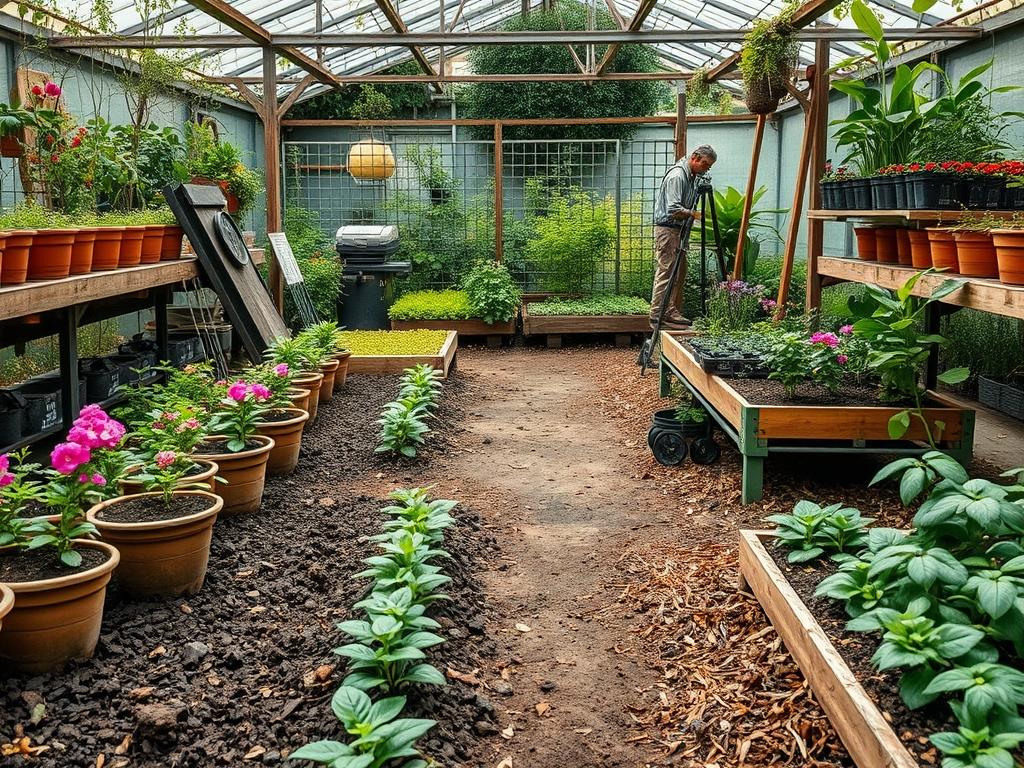
The pursuit of a high-performance landscape often culminates in the integration of rare, heritage flora that provides a unique signature for the property. While standard nursery stock offers immediate gratification, saving rare flower seeds ensures a garden remains an evolving masterpiece of genetic diversity. This process requires a sophisticated understanding of regional climate zones and localized microclimates. From a landscape architect’s perspective, the challenge lies in balancing the aesthetic demands of curb appeal with the biological requirements of sensitive, often temperamental specimens. A well-designed outdoor environment must serve as both a sanctuary for botanical history and a functional space for modern living. By cultivating rare varieties from seed, a homeowner can establish a landscape that is impossible to replicate with off-the-shelf solutions. This strategy addresses the increasing consumer demand for “slow gardening,” where the longevity and story of the plant material are just as important as the initial visual impact.
Landscape Design Principles
Successful landscape architecture begins with a rigorous site analysis that considers topography, solar orientation, and prevailing wind patterns. When saving rare flower seeds, the design must account for the life cycle of the plant. Unlike seasonal annuals that are discarded after their first bloom, rare perennials and self-seeding biennials require a spatial layout that accommodates their varying states of maturity. Symmetry plays a vital role in formal designs; however, rare plants often thrive better in naturalistic, layered beds where they are protected by sturdier companion species.
Focal points should be strategically placed to draw the eye toward rare specimens during their peak blooming period. Use hardscaping elements like natural stone pavers or weathered steel edging to frame these biological treasures. Elevation layers are equally critical. By utilizing retaining walls or constructed berms, a designer can create the specific drainage conditions that many rare seeds require to germinate. For example, alpine rarities often demand the sharp drainage provided by a raised rock garden, whereas woodland species require the moisture-retention of a sunken dell.
Walkways should be designed to allow for close inspection of rare blooms without compacting the surrounding soil. A 4-foot wide path constructed from crushed granite or permeable pavers provides stable access for maintenance and seed collection. Furthermore, irrigation planning must be granular. Standard overhead sprayers often damage delicate seed heads. Instead, a Drip irrigation system with pressure-compensating emitters delivers water directly to the root zone, keeping the foliage and developing seeds dry to prevent fungal pathogens.
Plant and Material Selection
The following table outlines high-value species often targeted for seed saving and their specific cultural requirements within a professional landscape.
| Plant Type | Sun Exposure | Soil Needs | Water Demand | Growth Speed | Maintenance Level |
| :— | :— | :— | :— | :— | :— |
| Echinacea paradoxa | Full Sun | Well-drained, lean | Low | Moderate | Low |
| Meconopsis baileyi | Dappled Shade | Humus-rich, acidic | High | Slow | Very High |
| Aquilegia chrysantha | Partial Shade | Moist, loamy | Moderate | Fast | Low |
| Papaver somniferum | Full Sun | Sandy, calcareous | Low | Fast | Medium |
| Digitalis ‘Illumination’ | Partial Sun | Rich, well-drained | Moderate | Fast | Medium |
| Lobelia cardinalis | Full to Partial | Heavy, wet clay | High | Moderate | Medium |
Implementation Strategy
The transition from a conceptual drawing to a living landscape requires meticulous execution. Begin with a comprehensive grading plan to ensure that surface water moves away from the foundation of the home and toward designated bioswales or drainage basins. Proper grading is especially important for rare seeds, as many varieties will rot in standing winter water. If the existing soil is heavy clay, incorporate organic compost and expanded shale to a depth of 12 inches to improve aeration.
Once the grade is set, install heavy-duty landscape fabric only under hardscaped paths, never in the planting beds themselves. For the plant beds, use steel garden edging to create a crisp transition between the turf and the floral displays. This prevents aggressive lawn grasses from encroaching on the sensitive rare seedlings. When sowing the seeds, use a broadcast spreader for large drifts or a hand-seeding technique for precise placement in rock fissures. Cover the area with a thin layer of vermiculite or washed sand rather than heavy mulch to ensure light-sensitive seeds can germinate.
For professional-grade results, install a low-voltage LED lighting system to highlight the textures of the rare foliage at night. Use directional bullet lights with 3000K color temperature to bring out the silver and blue hues often found in rare botanical varieties. This enhances the outdoor living experience and increases the property value.
Common Landscaping Failures
The most frequent mistake in high-end gardening is poor drainage management. Even the rarest seeds will fail if the soil lacks sufficient oxygen. Soil compaction, often caused by heavy machinery during home construction, creates an impermeable layer that traps water. To fix this, use a mechanical aerator or a broadfork to fracture the subsoil before planting.
Root overcrowding is another common issue. Designers often over-plant a space to achieve an “instant” look, but this leads to competition for nutrients and poor air circulation. Proper spacing based on the mature width of the plant is essential. For instance, if a Baptisia species reaches a 4-foot spread, do not plant anything within 24 inches of its center.
Irrigation inefficiencies also rank high among failures. Many homeowners over-water their landscapes, leading to root rot and the loss of rare genetic stock. Utilizing a smart irrigation controller with a weather sensor ensures that the system only runs when necessary. Finally, improper mulch depth can stifle seed germination. While 3 inches of mulch is standard for weed suppression around shrubs, it is too deep for a garden designed for self-seeding rare flowers. Limit mulch to 1 inch of fine-textured material in these specific zones.
Seasonal Maintenance
Seasonal care is what separates a mediocre garden from a professional landscape. In the spring, focus on soil health. Apply a slow-release organic fertilizer with a balanced N-P-K ratio as soon as the first sprouts appear. Monitor for slugs and snails, which can decimate a crop of rare seedlings in a single night. Use copper tape or iron phosphate pellets for control.
During the summer, the priority shifts to irrigation and deadheading. However, if the goal is saving rare flower seeds, you must resist the urge to remove all spent blooms. Select the most vigorous plants and allow their seed heads to ripen on the stalk. Use organza gift bags tied around the flower heads to catch falling seeds and protect them from birds.
Autumn is the season for collection and site preparation. Harvest seeds on a dry afternoon when the moisture content is at its lowest. Use pruning shears to remove the pods and store them in breathable paper envelopes. Clear away any diseased foliage, but leave some stalks standing to provide habitat for beneficial insects. In winter, apply a thin layer of evergreen boughs or wheat straw to protect the crowns of rare perennials from frost heaving. This maintains the structural integrity of the landscape during the dormant months.
Professional Landscaping FAQ
How do I determine if my soil is suitable for rare seeds?
Perform a percolation test by digging a 12-inch hole and filling it with water. If it drains in less than four hours, it is well-drained. Use a soil probe to check for compaction layers.
What is the best way to prevent cross-pollination?
To keep rare strains pure, maintain a 50-foot distance between different varieties of the same species. Alternatively, use physical barriers or pollination cages to isolate specific flowers during their peak reproductive window.
Can I save seeds from hybrid F1 flowers?
Saving seeds from F1 hybrids is generally discouraged because the resulting offspring will not be “true to type.” Stick to open-pollinated or heirloom varieties if you want to maintain the specific aesthetic characteristics of the parent plant.
How do I store collected seeds over the winter?
Keep seeds in a cool, dry, and dark location. A hermetically sealed glass jar placed in a refrigerator at 40 degrees Fahrenheit is ideal. Include a silica gel packet to absorb any residual moisture.
Does mulch interfere with rare flower seed saving?
Yes, heavy wood chips prevent seeds from reaching the soil. Use fine leaf mold or pine needles instead. These materials provide protection while still allowing small seeds to make necessary contact with the earth.