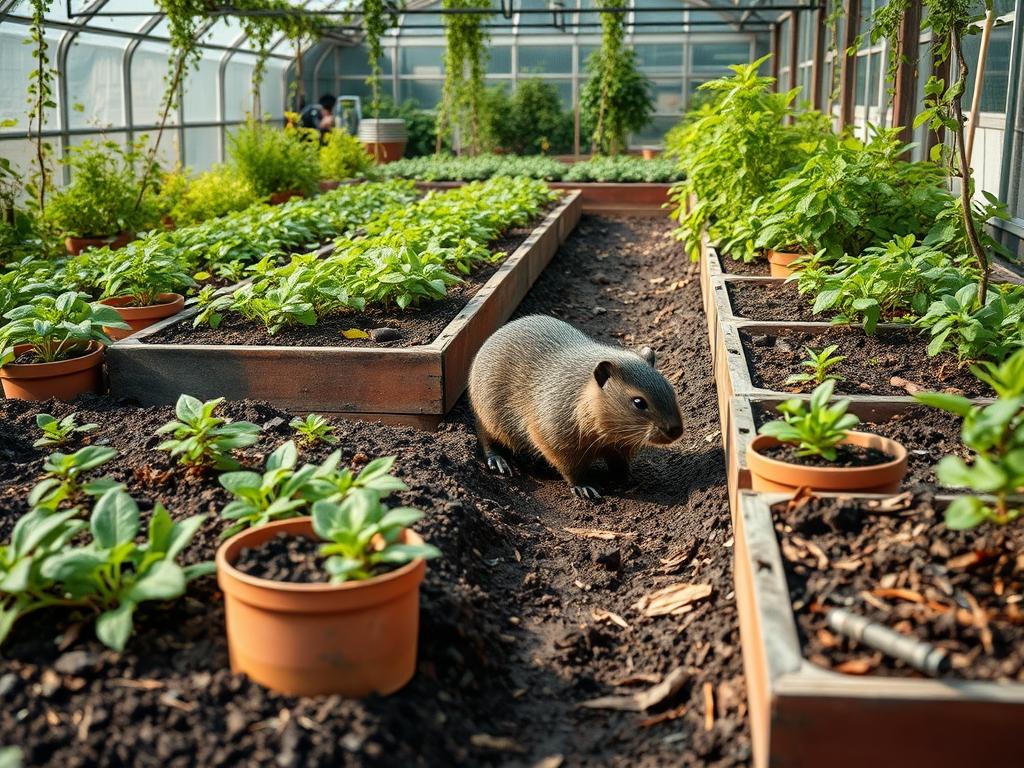
Developing a sophisticated landscape requires a balance between aesthetic elegance and structural resilience, particularly when faced with subterranean pests. A common frustration for homeowners and property managers is the sudden appearance of earthen mounds that disrupt the visual harmony of a perfectly manicured lawn or a curated perennial garden. Beyond the aesthetic damage, these burrowing mammals can undermine expensive hardscaping, destroy delicate root systems, and create tripping hazards that compromise outdoor functionality. In regions where wildlife is active, Natural Gopher Management has shifted from reactive measures toward proactive exclusion techniques. This philosophy treats the landscape as an integrated system where the goal is to prevent access to the root zone through physical barriers rather than relying on chemical deterrents or temporary traps. Successful landscape design in this context considers climate, soil composition, and the specific biology of local pests to ensure that curb appeal remains intact for years to come.
Effective outdoor planning starts with understanding that the subterranean environment is just as important as the surface level. Traditional landscaping often focuses on what is visible at eye level, but a professional consultant views the soil as a living foundation that requires protection. By integrating exclusion methods during the initial grading and installation phases, you create a permanent solution that minimizes future maintenance costs. This approach creates a seamless transition between functional outdoor living spaces and the surrounding environment, ensuring that high traffic areas and focal points remain undisturbed.
Landscape Design Principles
Structural planning for a resilient garden begins with the concept of elevation layers and focal points. By utilizing Retaining walls and raised beds, a designer can create physical verticality that is easier to protect with Stainless steel mesh. These structures should be built with concrete footings that extend at least 12 inches below the soil line to serve as a primary barrier. Symmetry in the garden layout helps identify and address pest issues quickly; if one side of a mirrored planting scheme begins to wilt while the other thrives, it serves as a diagnostic signal for root damage.
Visual balance is achieved through the careful placement of Natural stone and Hardscaping. Using Decomposed granite or Crushed gravel for walkways does more than just provide a clean path; these materials create a compacted layer that is less attractive to burrowing animals compared to loose, moist garden soil. Furthermore, irrigation planning should be integrated into the hardscape design to prevent surface saturation. Overwatering creates soft, malleable earth that facilitates tunneling, so architects often prefer Drip irrigation systems that deliver water precisely to the plant base, keeping the surrounding areas dry and less hospitable to pests.
Plant and Material Selection
The following selection highlights materials and flora that are essential for a garden utilizing Natural Gopher Management. Selecting the right combination of barriers and resilient species ensures the longevity of the landscape.
| Plant or Material Type | Sun Exposure | Soil Needs | Water Demand | Growth Speed | Maintenance Level |
| :— | :— | :— | :— | :— | :— |
| Stainless steel mesh | N/A | Subterranean | N/A | N/A | Very Low |
| Salvia leucantha | Full Sun | Well-drained | Low | Fast | Moderate |
| Hardware cloth | N/A | Any Soil Type | N/A | N/A | Very Low |
| Lavandula angustifolia | Full Sun | Sandy/Rocky | Low | Moderate | Low |
| Gopher Spurge | Full/Partial | Loamy/Dry | Low | Moderate | Medium |
| Boxwood | Full/Partial | Rich/Well-drained | Moderate | Slow | High |
| Crushed stone | N/A | Grading Base | N/A | N/A | Low |
Implementation Strategy
The successful implementation of an exclusion-based landscape requires a disciplined, step-by-step approach. The process begins with site clearing and grading to ensure proper water runoff. Once the grade is established, the architectural team installs Hardware cloth or Gopher wire across the entire planting area. This mesh should have an aperture of no larger than 1/2 inch to ensure that even smaller juveniles cannot pass through. For large lawn areas, the wire is laid flat and overlapped by 6 inches at the seams before being pinned down with U-shaped landscape staples.
After the barrier is secured, the layout of the hardscaping elements like Pavers and Edging begins. Using Steel edging provides a clean transition between turf and garden beds while also discouraging shallow tunneling. When planting individual shrubs or trees, it is often necessary to create custom Root baskets from Galvanized wire. These baskets protect the succulent young roots during the first few growing seasons when the plant is most vulnerable. Finally, a layer of Mulch at a depth of 3 inches is applied to retain moisture within the protected root zone while suppressing weed growth, completing the aesthetic and functional requirements of the site.
Common Landscaping Failures
One of the most frequent errors in professional landscaping is the failure to address drainage early in the design process. Improperly graded sites allow water to pool in certain areas, which softens the soil and invites burrowing activity. When soil becomes oversaturated, the structural integrity of the root zone decreases, making it easier for pests to navigate. Another common oversight is soil compaction during the construction phase without subsequent aeration. While compacted soil might seem like a deterrent, it actually forces roots to grow near the surface, making them easier targets for herbivores.
Improper spacing of plants can also lead to failure. When species are crowded, they compete for nutrients and water, resulting in weakened specimens that lack the internal resources to survive minor root pruning by pests. Furthermore, the installation of entry-level Polyethylene tubing for irrigation can be a liability. Gophers frequently chew through soft plastic lines to reach water, leading to underground leaks that are difficult to detect until significant erosion has occurred. Professional architects recommend using Swing pipe or PVC for main lines and burying them at a depth of at least 18 inches to avoid damage.
Seasonal Maintenance
Landscape management is a year-round commitment that changes with the cycles of the environment. In the spring, the focus should be on inspecting the perimeter for any signs of breaches in the Exclusion barrier. This is the time to check the integrity of Retaining walls and ensure that the 1/2 inch mesh has not been compromised by heavy rains or soil shifts. Pruning should be done to encourage vigorous new growth that can withstand the stress of the upcoming warmer months.
Summer maintenance shifts toward irrigation efficiency and moisture control. It is vital to monitor for leaks that might attract pests. Applying a fresh layer of Wood chips or Bark mulch helps maintain soil temperature and reduces the need for frequent watering. During the autumn, focus on clearing debris and fallen leaves that could provide cover for pests. This is also the ideal time to install new hardscaping or upgrade Drainage pipes before the winter rains arrive. In winter, the landscape consultant should perform structural audits, checking for soil subsidence and ensuring that all mechanical barriers remain correctly positioned below the freeze line.
Professional Landscaping FAQ
What is the best material for gopher exclusion?
The most effective material is 304 stainless steel mesh with a 1/2 inch opening. Unlike galvanized wire, stainless steel resist corrosion in damp soil, providing a barrier that can last for decades without needing replacement or repairs.
Does Natural Gopher Management require chemicals?
No, this approach focuses on physical deterrents and structural design. By using Root baskets, Steel edging, and Compacted gravel, you create a landscape that is physically inaccessible to pests, eliminating the need for toxic baits or fumigants in the garden.
Can I install exclusion wire under an existing lawn?
Installing wire under existing turf is difficult and usually requires removing the sod. For established landscapes, professional consultants recommend trenching around the perimeter and installing a vertical barrier of Hardware cloth at a depth of 24 inches to prevent entry.
Will gopher wire hurt my plants?
When installed correctly, Gopher wire does not restrict root growth. Fine feeder roots grow through the mesh easily, while the main root crown remains protected. It is essential to use a wide enough basket for trees to prevent future trunk girdling.
How does mulch help with pest management?
A thick layer of Coarse mulch regulates soil moisture, preventing the ultra-soft conditions that pests prefer for tunneling. It also helps clearly define the boundaries of the garden, making it easier to spot new activity or mounds immediately after they appear.