
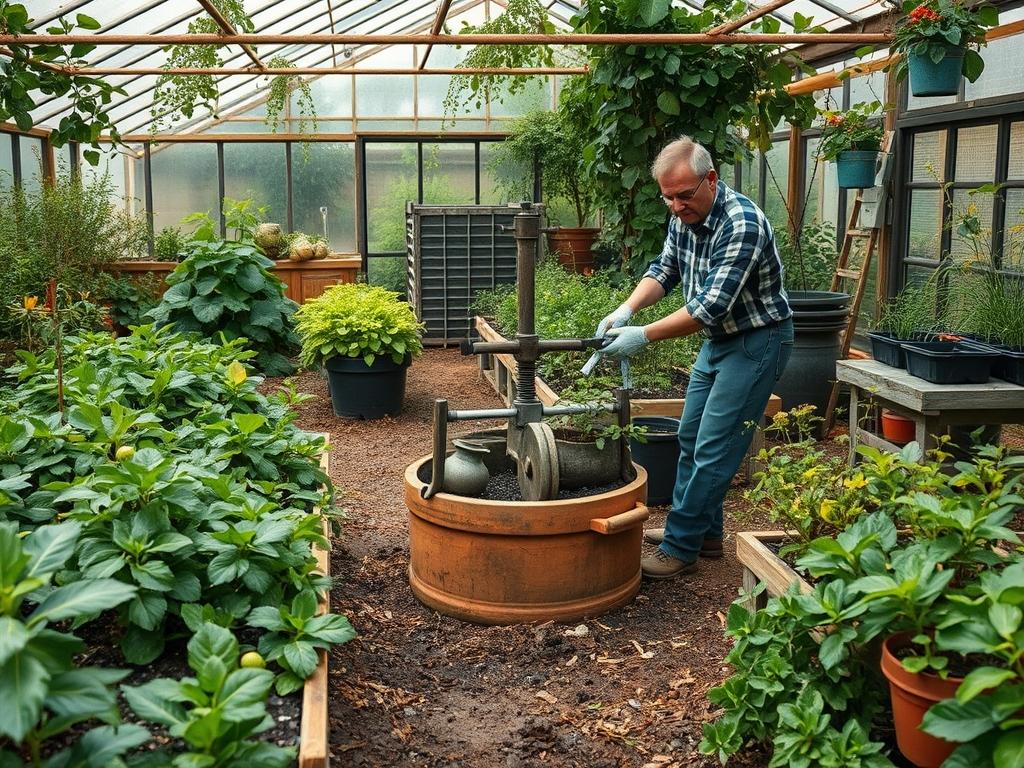
The transition into autumn represents more than a change in temperature; it is a shift in how we utilize the outdoor environment for production and community. Designing a landscape that accommodates traditional cider pressing requires a blend of agricultural utility and high-end residential aesthetics. Successfully integrating an orchard requires meticulous attention to microclimates, soil pH, and spatial flow. An effective layout ensures that the harvest process, from tree to glass, feels like a natural extension of the home rather than a cluttered industrial afterthought. This focus on productive beauty enhances curb appeal while providing a functional reward that lasts long after the first frost. Creating a dedicated harvest zone involves managing elevation changes and ensuring that irrigation systems are tailored to the specific needs of pip fruit trees. When a property is designed with the harvest in mind, the tradition of pressing cider becomes a central focal point that defines the outdoor living experience.
Functional landscaping for a harvest-centric yard must account for the heavy foot traffic and equipment requirements associated with traditional cider pressing. The placement of a traditional screw press or a hydraulic rack and cloth system requires a level, stable surface, often constructed from natural flagstone or reinforced concrete pavers. Beyond the immediate pressing area, the broader landscape must allow for the efficient movement of crates and ladders. Planning for drainage is perhaps the most critical technical hurdle; fruit trees are notoriously sensitive to “wet feet,” meaning standing water can lead to root rot and poor yields. A well-designed orchard includes a subtle two percent grade to move surface water away from the root zones while directing it toward rain gardens or subterranean French drains. By treating the orchard as a structured garden gallery rather than a wild thicket, a homeowner can achieve a balance between rustic charm and modern landscape precision.
Landscape Design Principles
Symmetry serves as the foundation for a productive orchard landscape. When planting for traditional cider pressing, the use of allées or straight rows of dwarf to semi-dwarf apple trees creates a sense of order and rhythm. These rows should be oriented north-to-south to maximize sun exposure across the leaf canopy, preventing the shading of fruit which can lead to uneven ripening and lower sugar content. The focal point of the design should be the “Harvest Hub,” an area of hardscaping situated near the kitchen or an outdoor workshop. This hub should feature a retaining wall that can double as seating for volunteers during the pressing process.
Elevation layers play a significant role in the visual impact and health of the landscape. By utilizing terraced garden beds, designers can separate the heavy production zones of the orchard from the ornamental perennials located nearer to the residence. This vertical separation not only assists with drainage but also creates distinct outdoor rooms. Walkways should be wide enough to accommodate a garden cart; a minimum width of 48 inches is recommended for primary paths. Using permeable materials like decomposed granite or spaced pavers with groundcover inlays allows for water infiltration while providing a slip-resistant surface for autumn harvests. Visual balance is maintained by anchoring the corners of the orchard with evergreen species, ensuring the landscape does not look barren once the deciduous fruit trees lose their foliage for the winter.
Plant and Material Selection
Selecting the right cultivars is essential for both the aesthetic appeal and the quality of the cider. Traditional cider pressing relies on a mix of sweets, sharps, and bitters to achieve a complex flavor profile. In addition to the trees themselves, the surrounding vegetation must support the local ecosystem, specifically pollinators like bees and butterflies.
| Plant Type | Sun Exposure | Soil Needs | Water Demand | Growth Speed | Maintenance Level |
| :— | :— | :— | :— | :— | :— |
| Malus domestica | Full Sun | Well-drained Loamy | Moderate | Moderate | High |
| Lavandula angustifolia | Full Sun | Sandy/Alkaline | Low | Fast | Low |
| Cornus sericea | Full to Part Sun | Moist/Clay | High | Fast | Medium |
| Festuca rubra | Part Shade | Variable | Moderate | Medium | Low |
| Buxus sempervirens | Full to Part Sun | Well-drained | Moderate | Slow | Medium |
| Echinacea purpurea | Full Sun | Poor to Average | Low | Fast | Low |
Implementation Strategy
The implementation of a cider-focused landscape begins with site grading. You must ensure the land slopes away from the foundation of the home and the press pad. Once the grade is established, the installation of a four-inch perforated drainage pipe wrapped in geotextile fabric can mitigate groundwater issues in low-lying areas. Edging is vital to define the harvest paths; use heavy-gauge steel edging or tumbled Belgian block to keep mulch from migrating into the grass or onto the press area.
When planting the trees, the hole should be twice as wide as the root ball but no deeper. A three-inch layer of hardwood mulch is standard for moisture retention, but it must be kept several inches away from the trunk to prevent pest infestation. Hardscaping should be the final step in the heavy construction phase. For a traditional cider pressing area, consider installing a heavy-duty hose bib or a dedicated water line near the press. This allows for the immediate cleaning of equipment and the rinsing of fruit, which is vital for food safety. Lighting should also be integrated at this stage; low-voltage LED path lights and up-lighting on key specimen trees allow the harvest celebration to continue safely into the evening.
Common Landscaping Failures
One of the most frequent errors in harvest-themed landscaping is root overcrowding. Homeowners often underestimate the mature canopy spread of apple trees, leading to poor air circulation. This lack of airflow traps humidity and fosters fungal diseases like apple scab and powdery mildew. Proper spacing, typically 12 to 15 feet for semi-dwarf varieties, is non-negotiable for a healthy orchard. Another common failure involves soil compaction. In the areas immediately surrounding the cider press, the soil can become densely packed due to foot traffic and the weight of the press. This prevents water and oxygen from reaching the roots of nearby plants. Using structural soil or installing a suspended pavement system can protect the root zones in these high-traffic intersections.
Irrigation inefficiencies also plague many DIY landscapes. Overhead sprinklers are detrimental to fruit trees as they wet the foliage and fruit, encouraging rot. Instead, use in-line drip irrigation with emitters spaced to match the tree’s drip line. Mistakes in mulch depth are also common. While mulch helps regulate temperature, a “mulch volcano” piled against the bark will suffocate the tree and invite rodents to gnaw on the base. Finally, failing to plan for the “waste” of the harvest is a significant oversight. The leftover skins and pulp, known as pomace, require a dedicated, hidden composting area to avoid attracting unwanted pests and to manage odors.
Seasonal Maintenance
Spring maintenance focuses on the health of the upcoming crop. This is the time for dormant oil sprays to combat overwintering insects and for structural pruning. Remove any “water sprouts” or suckers that sap energy from the main fruiting branches. As the ground thaws, check the integrity of your gravity-fed irrigation lines and clear any debris from the drainage grates.
Summer requires vigilant water management and monitoring for pests. The orchard needs consistent moisture during the fruit-swell period. It is also the season for “summer thinning,” where you remove excess fruit to ensure the remaining apples grow to a desirable size and the branches do not snap under the weight. In the autumn, the focus shifts to the harvest and the cider press itself. Ensure all hardscape surfaces are power-washed to remove algae which can become slippery when wet from apple juice.
Winter is the time for deep structural planning and protection. In colder climates, wrapping the trunks of young trees with plastic tree guards or burlap prevents sunscald and damage from rabbits. It is also an ideal time to service the mechanical parts of the traditional cider press, ensuring the wood is oiled and the metal components are free of rust so the tradition can continue for another generation.
Professional Landscaping FAQ
How much space is needed for a cider press setup?
A functional pressing area requires a minimum of a 10-foot by 10-foot level surface. This accommodates the press, the grinder, and enough room for two operators to move safely around the equipment without stepping into garden beds.
What is the best drainage solution for a flat orchard?
If the land lacks a natural slope, installing a French drain system with a dedicated sump pump or a connection to a storm sewer is best. This prevents water from stagnating around the sensitive root systems of fruit trees.
Can I use treated wood for my orchard retaining walls?
It is safer to use natural stone or cast concrete blocks. Pressure-treated wood often contains chemicals that you may not want leached into the soil near edible crops. Stone also provides a more permanent, high-end aesthetic value.
How do I prevent soil compaction in the harvest zone?
Lay down heavy timber boardwalks or permanent stone walkways in the areas where you anticipate the most foot traffic. Incorporating organic compost into the soil regularly also helps maintain a porous structure that resists the effects of heavy treading.
When is the best time to install a new orchard?
Early spring, just as the soil becomes workable but before the trees break dormancy, is ideal. This allows the roots to establish themselves in the cool, moist soil before the heat of summer puts stress on the new vascular system.