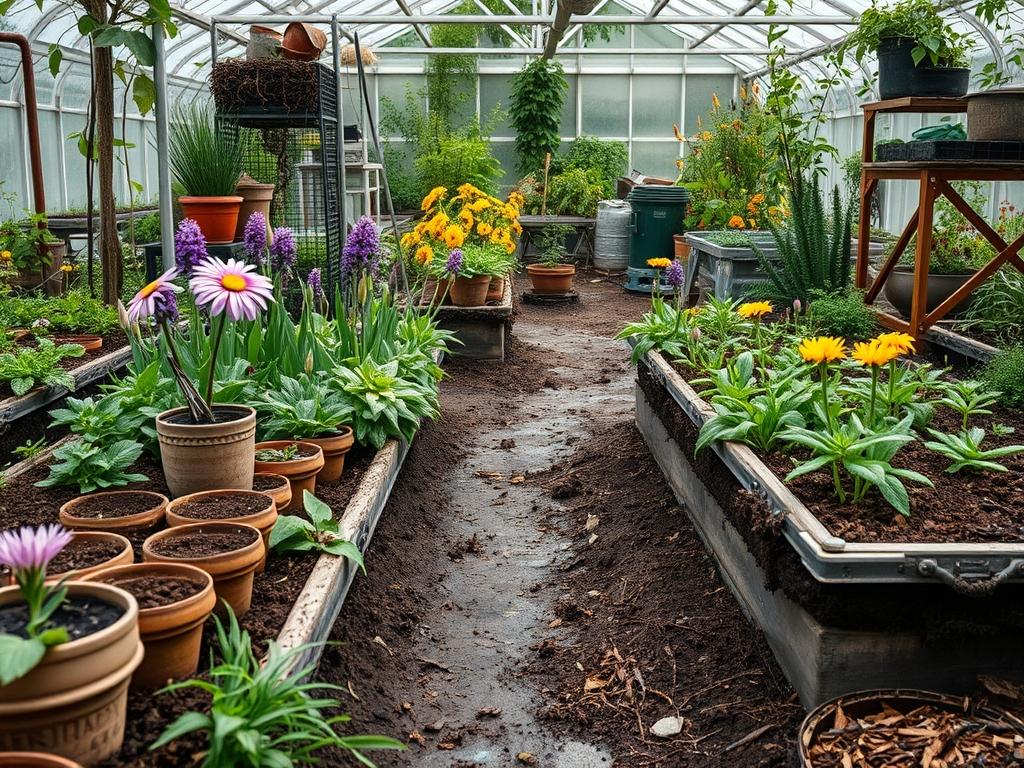
Transitioning a traditional residential landscape into a functional ecosystem requires a sophisticated understanding of both civil engineering and botany. While many homeowners aspire to support local biodiversity, the challenge lies in balancing ecological productivity with aesthetic standards that maintain property value and community acceptance. Native wildflower habitats offer a solution to the high water demands and chemical dependencies of conventional turf grass, yet they require precise planning to avoid looking neglected. A successful installation considers the regional climate, local soil chemistry, and the specific drainage patterns of the site. By integrating these natural areas into a structured landscape design, property owners can achieve a high level of curb appeal while providing essential resources for pollinators and local wildlife.
The primary goal of a professional native habitat is to create a landscape that feels intentional rather than accidental. This involves using outdoor living principles to define the space, such as clear borders and structural focal points. In many urban and suburban environments, the “managed mess” of a wild meadow can be off-putting to neighbors if it lacks a recognizable frame. Therefore, the architectural plan should include clear transitions between high-traffic functional zones and the wilder, biodiverse zones. By utilizing thoughtful plant palettes and robust hardscaping, a designer can turn a standard backyard into a resilient, low-maintenance sanctuary that thrives in the face of local weather extremes.
Landscape Design Principles
Effective native landscaping relies on the same core principles as traditional high-end garden design, specifically symmetry, focal points, and elevation layering. To prevent a native garden from appearing chaotic, designers often use a “cues to care” approach. This involves creating a formal frame around the wildflower area. Using Natural Stone or Steel Edging provides a crisp line that tells the eye the growth inside is deliberate. Symmetry can be achieved by placing identical Specimen Trees or large Boulders at the entrance of a meadow path, creating a sense of balance that anchors the softer, more irregular textures of the wildflowers.
Focal points are essential in a large native habitat to provide the eye with a place to rest. A birdbath, a large sculptural Basalt Column, or even a well-placed Bench creates a destination within the garden. This transforms the habitat from just a “planting bed” into an “outdoor room.” Furthermore, elevation layers are crucial for both visual interest and ecological niche creation. A professional plan will dictate a transition from low-growing groundcovers like Wild Strawberry at the path edges to mid-height perennials like Coneflowers, and finally to tall structural elements such as Big Bluestem or native shrubs. This horizontal and vertical layering mimics natural forest edges and provides a more immersive experience for the viewer.
Walkways and circulation paths should be wide enough for two people to walk side by side, typically 48 inches to 60 inches. Using materials like Decomposed Granite or Flagstone with permeable joints ensures that water can still infiltrate the soil. These paths are not just for access; they serve as critical firebreaks in certain climates and provide essential “edge effects” where different species can thrive. Irrigation planning for these areas focuses on establishment rather than long-term reliance. While native plants are drought-tolerant once mature, a temporary Drip Irrigation System or a Soaker Hose network is vital during the first two growing seasons to ensure deep root penetration.
Plant and Material Selection
Selecting the right species requires a deep dive into the specific conditions of the site, including sun exposure and soil pH. The table below outlines common North American native species and their requirements.
| Plant Type | Sun Exposure | Soil Needs | Water Demand | Growth Speed | Maintenance Level |
| :— | :— | :— | :— | :— | :— |
| Purple Coneflower | Full Sun | Well-drained | Low | Moderate | Low |
| Butterfly Weed | Full Sun | Sandy/Dry | Very Low | Fast | Low |
| Wild Bergamot | Full to Part Sun | Rich/Clays | Moderate | Fast | Moderate |
| Little Bluestem | Full Sun | Poor/Lean | Low | Slow | Very Low |
| Blue False Indigo | Full to Part Sun | Adaptable | Low | Slow | Low |
| Lance-leaf Coreopsis | Full Sun | Sandy/Loam | Low | Fast | Moderate |
In addition to plant material, the choice of mulch and mineral accents is vital. For native habitats, a coarse wood chip mulch or leaf mold is preferable to dyed designer mulches. These materials break down over time, mimicking the natural forest floor and providing nesting sites for ground-dwelling bees. River Rock or Pea Gravel can be used in areas where drainage is a concern, such as at the base of a Retaining Wall or within a rain garden basin.
Implementation Strategy
The implementation of native wildflower habitats begins with thorough site preparation. The most common cause of failure is the persistence of colonial turf grasses. Technicians often use solarization, which involves covering the area with a 6-mil clear plastic sheet for 6 to 8 weeks during the height of summer, to kill existing vegetation and weed seeds without chemicals. Once the site is cleared, grading must be addressed. Ideally, the ground should slope away from permanent structures at a minimum 2 percent grade to ensure proper drainage.
After grading, the area should be marked for hardscaping features. Install your Retaining Walls and Flagstone paths first to avoid crushing new plants later. When planting, do not amend the soil with high-nitrogen fertilizers; most native wildflowers prefer lean soil. Excess nutrients often encourage the growth of invasive weeds over the desired native species. Space the plants according to their mature width, which is often 18 inches to 24 inches apart. Once the plants are in the ground, apply a layer of mulch approximately 3 inches deep, being careful not to pile it against the stems of the plants. This layer suppresses weeds and retains moisture during the critical establishment phase.
Common Landscaping Failures
One of the most frequent errors in habit creation is improper drainage management. If a site is too flat or has heavy clay, water can pool and rot the crowns of native plants, which are often adapted to well-drained prairie soils. It is essential to incorporate French Drains or Dry Creek Beds if the topography does not naturally move water away. Another failure point is root overcrowding. While a dense planting is good for suppressing weeds, plants that are spaced too closely will compete for limited nutrients and airflow, leading to fungal diseases like powdery mildew.
Soil compaction is another silent killer of native landscapes. During the construction of a new home, heavy machinery often packs the soil down to the density of concrete. Trying to plant native seeds or plugs into this compacted earth will result in stunted growth and high mortality rates. Using a Broadfork or a Core Aerator to loosen the soil to a depth of 6 inches to 12 inches is a necessary step before any planting begins. Lastly, many homeowners fail because they treat a native habitat like a static painting. These landscapes are dynamic; species will move, some will die out, and others will volunteer. Resisting this natural succession rather than managing it often leads to frustration.
Seasonal Maintenance
Seasonal care for native wildflower habitats differs significantly from traditional lawn care. In the Spring, the primary task is to remove invasive winter weeds and clear away the previous year’s dead stalks. However, this should be delayed until temperatures consistently stay above 50 degrees Fahrenheit. Many native bees and beneficial insects spend the winter inside dead plant stems, and early clearing can destroy the very wildlife the habitat was designed to support. Use a pair of Hand Pruners to cut stems back to about 8 inches from the ground.
During the Summer, maintenance focuses on monitoring and selective weeding. This is the time to check your Irrigation System for leaks and ensure that new plantings are not showing signs of heat stress. Avoid overhead watering during the middle of the day to prevent leaf scorch. In the Autumn, resist the urge to rake every leaf. A thin layer of leaves provides excellent winter mulch and nutrient cycling. You may choose to collect seeds from your Sunflowers or Asters at this time for propagation in other areas of the property. Finally, in the Winter, the habitat provides visual interest through dried seed heads and grasses. Structural pruning of native shrubs and trees should be done now while the plants are dormant, using high-quality Loppers to ensure clean cuts.
Professional Landscaping FAQ
How long does it take for a native habitat to look established?
Most native perennials require three years to reach their full potential. The first year they sleep, the second year they creep, and the third year they leap. Proper Irrigation and Weeding during this period ensure a successful transition.
Do native wildflower habitats attract unwanted pests or snakes?
A balanced ecosystem attracts predators like birds and beneficial insects that keep pest populations in check. While any outdoor environment can host wildlife, large Boulders and clear Walkways help define boundaries and keep activity away from the home foundation.
Can I grow native wildflowers in a small urban lot?
Absolutely. Small-scale habitats can be designed using Steel Planters or specific Edging to keep the growth contained. Focusing on verticality with tall species like Blazing Star allows for a high ecological impact within a minimal footprint.
Will I save money on my water bill immediately?
Significant savings usually begin after the second year. While new plants require consistent moisture via a Drip System to establish roots, mature native habitats can generally survive on local rainfall alone, drastically reducing long-term utility costs and maintenance hours.
How do I prevent my native meadow from looking like a patch of weeds?
The secret is intentionality. Use Hardscaping, mown borders, and a limited color palette to signify that the area is a planned garden. Adding a Garden Sign explaining the habitat’s purpose also helps educate neighbors and increases community acceptance.