
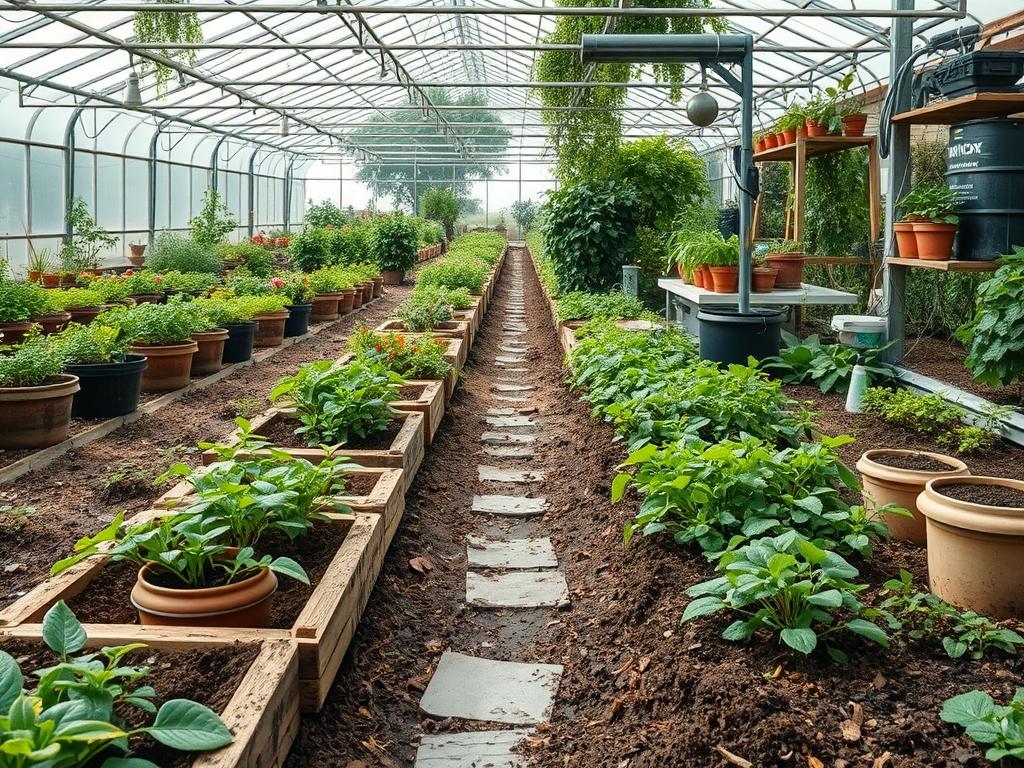
Maintaining a seamless transition between interior living spaces and the external environment requires a sophisticated understanding of both aesthetic design and biological management. While many homeowners focus on the structural elements of a landscape, such as retaining walls and paver stones, the health of the greenery often dictates the true success of the project. Indoor and transitional garden spaces, such as sunrooms, conservatories, or covered patios, provide unique microclimates that are frequently susceptible to specific stressors. One of the most persistent challenges in these controlled environments is the presence of the two-spotted spider mite. These microscopic arachnids thrive in the stagnant, warm, and dry conditions often found in interior landscapes. Implementing Natural Spider Mite Control is not merely a remedial action; it is a fundamental part of a professional landscape architect’s maintenance strategy to preserve the architectural integrity of the foliage.
The landscaping challenge for indoor-outdoor transitions involves balancing high-impact visual elements with the practical constraints of a limited air exchange. When a landscape designer selects specimen plants for a foyer or an enclosed courtyard, the goals are usually centered on curb appeal and outdoor functionality. However, if the environmental variables such as humidity and airflow are neglected, the space becomes a breeding ground for pests that can quickly decimate an investment in rare ornamental species. Effective landscape management requires a holistic view where the physical layout facilitates natural pest suppression. By designing spaces that allow for regular misting and airflow, we create an inhospitable environment for spider mites while simultaneously enhancing the comfort of the outdoor living area.
Landscape Design Principles
A successful landscape relies on the application of symmetry and visual balance to guide the eye across various elevation layers. In an interior or transitional setting, focal points are often created using large-leafed tropicals or structural evergreens. To prevent the stagnation that leads to pest infestations, these specimens should be spaced according to their mature width rather than their size at the time of installation. This ensures that air can circulate freely around the canopy, which is a primary component of Natural Spider Mite Control. Properly spaced focal points also allow for easier inspection and maintenance of the lower leaf surfaces where mites typically colonize.
Elevation layers play a dual role in both design and plant health. By using tiered planters or raised beds, a designer can create a sense of depth while also improving the ergonomics of pest management. Higher elevation levels within a conservatory design can be utilized for plants that require more light, while the lower, more shaded layers stay cooler and retain more moisture. Visual balance is further maintained by integrating hardscape elements like slate walkways or gravel paths that break up dense clusters of vegetation. These breaks act as firebreaks for pests; spider mites are less likely to travel across a wide, dry limestone path to reach a neighboring plant than they are to move through a continuous, overlapping canopy.
Plant and Material Selection
The following table provides a selection of plants commonly used in indoor-outdoor integrated designs, along with their specific cultural requirements to ensure high-health outcomes.
| Plant Type | Sun Exposure | Soil Needs | Water Demand | Growth Speed | Maintenance Level |
| :— | :— | :— | :— | :— | :— |
| Fiddle Leaf Fig | Bright, Indirect | Well-Draining Peat | Moderate | Medium | High |
| Snake Plant | Low to Bright | Sandy, Loamy | Low | Slow | Low |
| Bird of Paradise | Full Sun | Rich Organic | High | Fast | Medium |
| Kentia Palm | Indirect Shade | Sandy Loam | Moderate | Slow | Medium |
| Croton | High Intensity | Moist Humus | High | Medium | High |
| Boston Fern | Dappled Shade | High Organic | High | Fast | High |
Implementation Strategy
Planning the layout of a backyard or an integrated garden room begins with careful grading. Even in an interior or semi-enclosed space, the floor or sub-base must be slightly pitched to ensure that excess water moves toward a functional drainage system. Once the foundation is set, we define the boundaries using steel edging or stone borders to separate the organic planting zones from the structural hardscaping. This separation is vital for moisture control. For indoor environments, we often recommend a 2-inch layer of decorative river rock or charcoal mulch over the soil surface. Unlike wood mulch, stone does not harbor mold and provides a clean aesthetic that complements modern architectural lines.
The next step involves the installation of point-source irrigation. For effective Natural Spider Mite Control, manual hosing is often superior to automated drip lines because the physical force of the water dislodges the pests. However, a professional setup will often include a misting system integrated into the hardscaping to maintain ambient humidity levels above 50 percent. When placing plants, we leave a minimum of 12 inches of space between the foliage and the walls to prevent pockets of stagnant air. This spacing also allows for the application of neem oil or horticultural soaps without staining the interior finishes of the building.
Common Landscaping Failures
The most frequent failure in both indoor and outdoor planning is the mismanagement of water. Drainage mistakes occur when a designer neglects the percolation rate of the soil within large outdoor planters. If the soil remains saturated at the root zone while the surface is bone dry, the plant becomes stressed and significantly more vulnerable to spider mite attacks. Soil compaction is another silent killer; in high-traffic areas where people walk across garden beds instead of using designated walkways, the lack of pore space in the soil suffocates the roots. This physiological stress sends out chemical signals that attract opportunistic pests.
Root overcrowding is a significant concern in high-density landscape designs. When the root systems of multiple plants compete for the same volume of soil, the overall vigor of the landscape declines. Improper spacing not only affects growth but also makes professional treatments nearly impossible. If a technician cannot reach the center of a dense cluster of boxwoods or palms, the spider mite population will simply hide in the untreated interior and re-infest the landscape within days. Finally, irrigation inefficiencies, such as leaning too heavily on recycled air or heating systems without supplemental moisture, will inevitably lead to a mite outbreak.
Seasonal Maintenance
Landscape management is a year-round commitment that shifts with the solar cycle. In the spring, the focus is on a thorough cleaning of all hardscape surfaces and a heavy pruning of any leggy growth. This is the optimal time to release predatory mites like Phytoseiulus persimilis for preventative Natural Spider Mite Control. As we move into summer, the primary task is moisture management. Regular monitoring of the mulch depth is necessary to ensure the soil stays cool during peak heat. We often increase the frequency of leaf-washing during these months to physically remove dust, which serves as a protective scaffolding for mite webbing.
Autumn requires a transition toward dormancy. As the light levels drop, we reduce the frequency of irrigation and check the integrity of any retaining walls or structures for cracks where pests might overwinter. This is also the time to apply a final coat of dormant oil to woody stems. Winter management in the landscape consultant world involves monitoring humidity diligently. Since indoor heating systems strip moisture from the air, we use localized humidifiers or pebble trays to protect the foliage. If the environment is kept unfavorable for the pests through the winter, the spring growth will be significantly more robust and aesthetically pleasing.
Professional Landscaping FAQ
How exactly does humidity affect spider mite populations naturally?
Spider mites are biologically adapted to thrive in low humidity. High moisture levels interfere with their ability to feed and reproduce. Increasing humidity to above 60 percent serves as a physical deterrent that disrupts their life cycle without the need for synthetic chemicals.
What is the best physical method for removing mites from large plants?
Using a high-pressure water wand or a pressure sprayer on the undersides of leaves is the most effective mechanical control. This physical force breaks the delicate webbing and washes the mites away, significantly reducing the population before they can cause stippling damage.
Can I use certain plants to repel spider mites in my design?
While few plants are fully mite-proof, incorporating species with high essential oil content, such as rosemary or lavender, can provide a slight repellent effect. However, the best design strategy is to select smooth-leafed plants that are easier to wipe down and maintain.
Does mulch depth really impact pest control for indoor containers?
Yes, a consistent 2-inch mulch layer of inorganic material like pebbles helps stabilize the soil temperature and moisture. This reduces plant stress. Stressed plants emit volatile organic compounds that act as beacons for spider mites and other harmful insects.
How often should a professional landscape be inspected for pests?
Bi-weekly inspections are standard for high-end interior landscapes. Identifying the early signs of stippling or fine webbing allows for localized treatments. Slowing an infestation early is much easier than treating a full-scale outbreak that has spread through the entire structure.