The integration of rare genetic preservation within a residential landscape represents a fundamental shift in modern outdoor design. Traditionally, luxury landscaping focused almost exclusively on aesthetic uniformity or the architectural placement of ornamentals. However, the contemporary landscape architect now faces a growing demand for functional resilience through the practice of saving rare vegetable seeds at home. This approach addresses the global challenge of dwindling biodiversity while simultaneously enhancing the curb appeal and utility of a private estate. By dedicating specific zones to heirloom varieties, property owners can contribute to a decentralized seed bank, ensuring that genetically unique cultivars survive for future generations. A well planned environment accounts for the specific microclimates of a backyard, utilizing proper drainage, specialized irrigation, and strategic elevation to protect these botanical investments from the unpredictable shifts of a changing climate.
Designing a landscape with the intention of saving rare vegetable seeds requires a departure from standard garden layouts. It necessitates a focus on spatial isolation to prevent cross pollination, which can dilute the genetic purity of rare specimens. From a functional perspective, the goal is to merge high end outdoor living with the practical requirements of seed maturation. This involves creating a balance where the garden remains a place of relaxation and beauty while serving as a biological nursery. By treating the rare plants as focal points within the broader design, the landscape architect elevates the status of the vegetable patch from a hidden utility area to a centerpiece of the grounds.
Landscape Design Principles
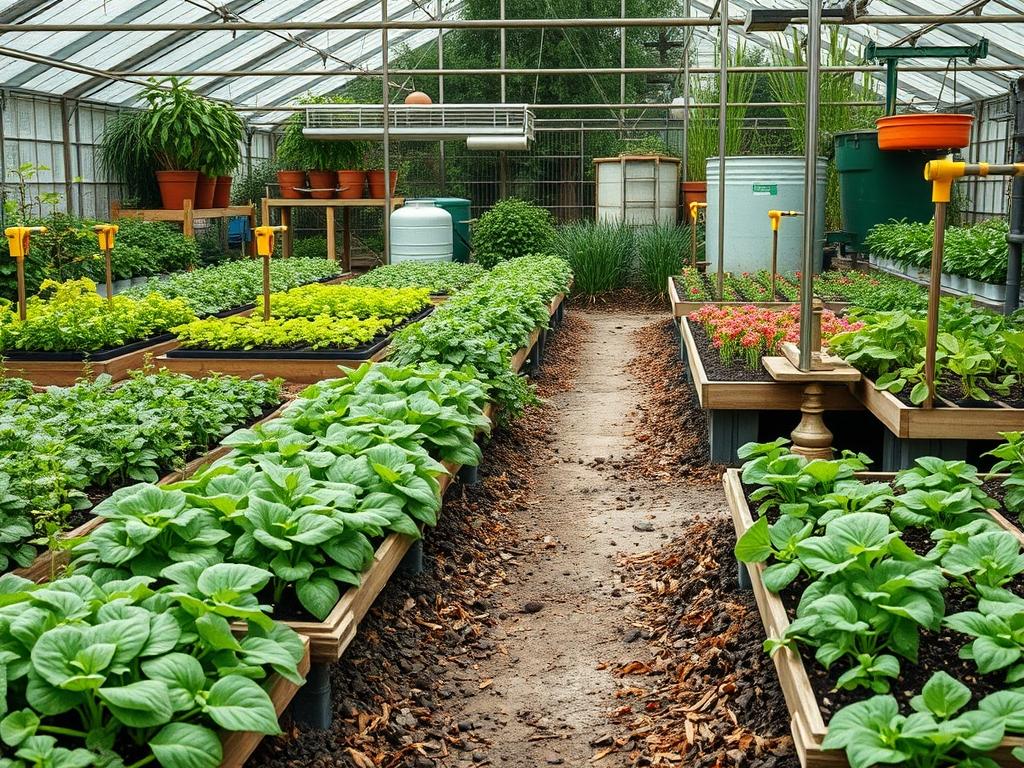
Effective landscape design for seed preservation begins with the concept of visual and functional symmetry. When planning the layout, the use of focal points is essential to draw the eye toward specific collection areas. For example, a central raised bed constructed from Western Red Cedar or natural limestone can house a primary collection of rare legumes or nightshades. Surrounding these central features with lower elevation layers, such as creeping herbs or hardy groundcovers, creates a layered look that mimics natural ecosystems. This verticality not only adds depth to the visual experience but also allows for better air circulation around the plants, which is critical for preventing the fungal diseases that often plague heirloom varieties.
Elevation planning is another core principle. By creating terraced sections using retaining walls, a designer can manage water runoff and provide distinct zones for different plant families. Proper irrigation planning must be integrated into the initial blueprint. A dedicated drip irrigation system with automated timers is preferable to overhead spraying, as it delivers water directly to the root zone and keeps the foliage dry. This precision reduces the risk of seed pods rotting before they reach full maturity. Incorporating stable walkways made of permeable pavers or decomposed granite ensures that the garden is accessible for maintenance without causing soil compaction near the delicate root systems of rare plants.
Plant and Material Selection
The selection of plants for an edible landscape should prioritize varieties that are geographically appropriate yet genetically significant. Materials are chosen for their durability and lack of chemical leeching, ensuring the harvested seeds remain uncontaminated.
| Plant Type | Sun Exposure | Soil Needs | Water Demand | Growth Speed | Maintenance Level |
| :— | :— | :— | :— | :— | :— |
| Cherokee Purple Tomato | Full Sun | Loamy/Organic | Medium | Moderate | High |
| Moon and Stars Watermelon | Full Sun | Sandy/Well-drained | High | Slow | Moderate |
| Glass Gem Corn | Full Sun | Nitrogen-rich | High | Fast | Medium |
| Dragon Lingue Bean | Partial/Full | Slightly Acidic | Low | Fast | Low |
| Chioggia Beet | Partial Sun | Loose/Loamy | Medium | Moderate | Low |
| Lacinato Kale | Partial Sun | Well-composted | Medium | Moderate | Medium |
For hardscaping, the use of galvanized steel edging provides a clean line between turf and garden beds, preventing the encroachment of aggressive grasses. Selecting mulch such as arborist wood chips or pine straw helps regulate soil temperature and moisture, which is vital during the late stages of seed development when the plant requires a stable environment to finish its life cycle.
Implementation Strategy
The transition from a design concept to a physical landscape involves a meticulous implementation strategy. The first step is grading the land to ensure proper drainage. Water should always flow away from the foundations of structures and toward a managed collection point or a French drain system. Once the grade is established, the placement of hardscaping elements like retaining walls and pathways occurs. These structures define the skeleton of the landscape.
When the beds are prepared, the soil must be amended with organic compost and expanded shale to improve porosity. For those saving rare vegetable seeds, the planting phase must include careful labeling using anodized aluminum tags that can withstand several seasons of weather. Spacing is paramount; for instance, different varieties of squash should be separated by at least 50 feet if the goal is pure seed, or alternatively, manual pollination techniques must be employed. After planting, a layer of 2 to 3 inches of mulch should be applied, keeping it away from the base of the stems to prevent rot. The final touch is the installation of the irrigation lines, which should be tested for even pressure distribution across all zones.
Common Landscaping Failures
Many high end gardens fail to produce viable seeds because of fundamental design flaws. Soil compaction is perhaps the most frequent issue. When contractors use heavy machinery during the construction of retaining walls or patios, they often crush the soil structure, leaving it impenetrable for delicate roots. Another common failure is improper drainage. If water pools in the root zone for more than 24 hours, the resulting lack of oxygen can kill the plant or trigger root rot, rendering the seeds useless.
Irrigation inefficiencies also play a major role in garden failure. Standard pop up sprinklers often throw water into the center of a dense canopy, creating a humid microclimate that encourages powdery mildew. In terms of layout, many designers fail to account for the mature size of heirloom plants. Many rare varieties are indeterminate and can grow to several feet in length or height, quickly overcrowding a space if the initial spacing was calculated for smaller, commercial hybrids. Finally, neglecting the use of native plants as a buffer can result in a lack of local pollinators, which are necessary for the successful fertilization of many vegetable crops.
Seasonal Maintenance
The lifecycle of a seed saving garden requires specific interventions throughout the year to maintain both aesthetics and genetic viability.
Spring: Focus on soil preparation and the installation of support structures such as trellises or cattle panels. Test the irrigation system for leaks and clear any debris from the drainage grates.
Summer: This is the peak season for monitoring pollination. Remove any off type plants that do not match the expected characteristics of the rare variety. Maintain a consistent watering schedule and check the mulch depth to ensure soil moisture is retained during heat waves.
Autumn: This is the primary window for harvesting. Seeds must stay on the plant until they are fully mature, which often means leaving the fruit until it is past the edible stage. Once harvested, dry the seeds in a cool, ventilated area before storing them in airtight glass jars with silica packets.
Winter: Use the dormant season to evaluate the landscape’s performance. Prune any surrounding native shrubs and clean all hand tools with a solution of isopropyl alcohol to prevent the spread of pathogens. This is also the time to plan any structural additions, such as a potting shed or a specialized seed drying station.
Professional Landscaping FAQ
How does seed saving improve my property’s value?
It transforms a standard garden into a high functioning, sustainable ecosystem. This ecological sophistication appeals to premium buyers looking for resilience and biodiversity. Rare plants also provide unique colors and textures that enhance the visual prestige of the estate.
What is the best way to handle poor soil drainage?
Install a subterranean drainage system using perforated pipes and river rock. Elevating the growing area with raised beds at least 12 inches high is also an effective way to keep root zones from becoming waterlogged.
Can I save seeds in a small urban landscape?
Yes, though you must prioritize varieties that do not cross pollinate easily, like tomatoes or peas. Use vertical structures like obelisks to maximize space. Controlled hand pollination can also maintain purity in confined areas with multiple varieties.
What materials are best for long lasting garden paths?
Permeable pavers or flagstone set in crushed stone are excellent choices. They provide a stable surface for garden equipment while allowing water to infiltrate the ground, which supports the overall health of the nearby vegetable beds.
How do I prevent my rare plants from looking messy?
Incorporate them into a structured design using boxwood hedging or steel edging. Using high quality support systems like powder coated cages ensures that plants remain upright and organized, maintaining a polished professional appearance throughout the growing season.