Integrating rare heirloom legumes into a sophisticated residential landscape requires a delicate balance between aesthetic architectural design and rigorous botanical management. When a property owner commits to saving rare bean varieties, the garden evolves from a simple leisure space into a functional conservatory. This transition presents unique challenges, particularly regarding spatial isolation and microclimate control. To maintain genetic purity, the landscape must be engineered to prevent cross pollination while simultaneously enhancing the property’s curb appeal. High-end outdoor environments often prioritize visual harmony, yet the technical requirements of seed saving demand specific structural interventions. Successful planning involves assessing the local USDA Hardiness Zone, prevailing wind patterns, and solar orientation to ensure that these sensitive cultivars reach full physiological maturity. By treating the bean supports as vertical architectural elements, we can transform a functional seed-saving operation into a striking focal point that increases the ecological value of the heritage landscape.
Landscape Design Principles
Architectural symmetry serves as the foundation for a successful seed-saving garden. In a formal potager or a modern minimalist backyard, the placement of rare cultivars must be intentional. We utilize isolation distances to ensure that different varieties of Phaseolus vulgaris do not cross-pollinate, even though they are primarily self-pollinating. To achieve this, we design the site with distinct “garden rooms” separated by physical barriers such as Hedges, Retaining walls, or tall ornamental grasses. These barriers serve as windbreaks and visual screens, adding layers of depth to the landscape.
Elevation layers are equally critical. By using vertical structures like Cedar obelisks or custom-welded Steel trellises, we can elevate climbing varieties, creating a sense of height and grandeur. This verticality improves airflow around the foliage, which is essential for preventing the fungal pathogens that can compromise seed quality. Focal points are established by placing the most vibrant rare varieties, such as the Scarlet Runner Bean, in areas where their blossoms can be appreciated from the primary outdoor living space. Walkways should be constructed from stable materials like Flagstone or Decomposed granite to provide clean access for harvesting without compacting the soil near the root zones.
Irrigation planning must be invisible yet highly efficient. For rare bean conservation, overhead watering is discarded in favor of a low-volume Drip irrigation system. This allows moisture to be delivered directly to the root zone, keeping the pods dry during the critical maturation phase. A well-designed landscape integrates these utility lines beneath a path or within the sub-base of the planting beds, ensuring the machinery of the garden does not detract from its natural beauty.
Plant and Material Selection
| Plant Type | Sun Exposure | Soil Needs | Water Demand | Growth Speed | Maintenance Level |
| :— | :— | :— | :— | :— | :— |
| Pole Beans | Full Sun | Loamy, Well-drained | Moderate | Fast | Medium |
| Bush Beans | Full Sun | Sandy Loam | Moderate | Medium | Low |
| Runner Beans | Partial Shade | Rich Organic | High | Very Fast | High |
| Lima Beans | Full Sun | Warm, Deep Loam | Low | Medium | Medium |
| Soybeans | Full Sun | Standard Garden | Moderate | Slow | Low |
| Hardwood Mulch| N/A | Variable | N/A | N/A | Low |
Implementation Strategy
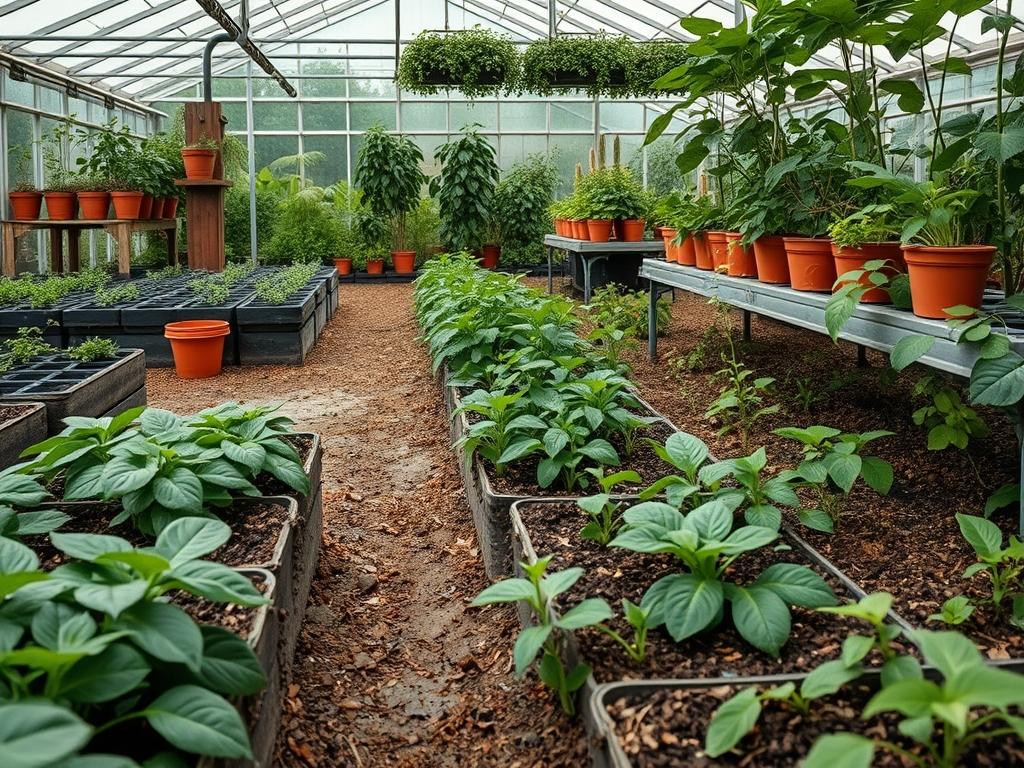
The implementation phase begins with a precise site survey to determine the existing Grading and drainage patterns. Because legumes are highly susceptible to root rot, the planting area must have a slope of at least 1 percent to 2 percent to ensure water moves away from the crown. If the natural terrain is flat, we install Raised beds constructed from Western Red Cedar or Corten steel to provide the necessary drainage. Once the borders are defined, the soil is amended with Organic compost and Perlite to improve porosity.
After soil preparation, we install the hardscaping elements. For vertical varieties, 4×4 pressure-treated posts are set 24 inches deep to provide structural integrity against late-season wind loads. We then apply a 3-inch layer of Double-shredded hardwood mulch across the beds. This mulch serves multiple purposes: it suppresses competitive weeds, retains consistent soil moisture, and prevents soil-borne pathogens from splashing onto the low-hanging pods during rain events. Edging is installed using Aluminium landscape edging or Belgian block to create a crisp, professional transition between the cultivated bean beds and the surrounding lawn or ornamental plantings. Each variety is tagged with UV-resistant metal labels to ensure record-keeping remains accurate throughout the season.
Common Landscaping Failures
One of the most frequent errors in garden planning is the failure to account for soil compaction. When Heavy machinery or frequent foot traffic occurs near the planting zones, the resulting lack of oxygen in the soil stunts bean development and reduces the viability of the saved seeds. Another common mistake is improper spacing. While a dense canopy may look lush in the short term, overcrowding prevents sunlight from reaching the lower pods, leading to uneven drying and mold.
Drainage inefficiencies often go unnoticed until a major storm event occurs. If the yard sits in a low-lying area without a proper French drain or Catch basin, the beans will suffer from anaerobic conditions. Furthermore, many novice planners ignore the impact of nitrogen-rich fertilizers. While high nitrogen promotes leafy green growth, it often inhibits flower production and seed set in legumes. Finally, failing to secure trellising systems can lead to structural collapse in late summer when the weight of the vines is at its peak; this can destroy a rare crop in minutes.
Seasonal Maintenance
Spring maintenance focuses on soil preparation and the installation of support structures. Before planting, we test the soil pH and ensure it falls between 6.0 and 7.0. Once the soil temperature reaches 60 degrees Fahrenheit, seeds are sown at a depth of 1 inch. During the summer months, the primary task is moisture management. We monitor the Drip emitters to ensure they are not clogged and adjust the timers based on local evaporation rates. Pruning may be necessary to remove excess foliage and improve light penetration to the maturing pods.
Autumn is the most critical period for saving rare bean varieties. The irrigation is scaled back significantly once the pods begin to yellow and lose their flexibility. We allow the seeds to dry on the vine until the pods are brittle and the seeds rattle inside. If a frost is forecasted, we protect the crop with Frost blankets or harvest the entire plant to finish drying indoors. In winter, the landscape is put to rest. We remove all spent vine material to prevent pests from overwintering and apply a fresh layer of Winter mulch or a Cover crop like Winter rye to protect the soil structure until the next growing season.
Professional Landscaping FAQ
How do I prevent cross-pollination between different bean varieties?
Maintain a minimum distance of 20 feet between different cultivars of the same species. Using physical barriers like tall shrubs or fine mesh cages can further reduce the risk of insects carrying pollen between your rare bean selections.
What is the best mulch for a seed-saving garden?
Use a clean, weed-free Triple-grained hardwood mulch or Clean straw. Avoid using grass clippings that may have been treated with herbicides, as these chemicals can stunt the growth of sensitive heirloom bean varieties and degrade soil health.
Can I grow rare beans in containers on a patio?
Yes, use large 10-gallon planters with high-quality Potting soil. Ensure the containers have adequate drainage holes and provide a sturdy Bamboo tripod or Metal trellis for climbing varieties to reach their full architectural and reproductive potential.
How does drainage affect the quality of saved seeds?
Poor drainage causes excess moisture to settle in the root zone, leading to physiological stress. This stress can result in smaller seeds with lower germination rates. Properly Graded soil or Raised beds ensure the plants remain healthy.
Why are my bean pods rotting before they dry?
This is usually caused by high humidity and poor airflow. Enhance the site’s ventilation by thinning out dense foliage and ensuring that your Trellis system keeps the pods well above the ground and away from moist mulch layers.