
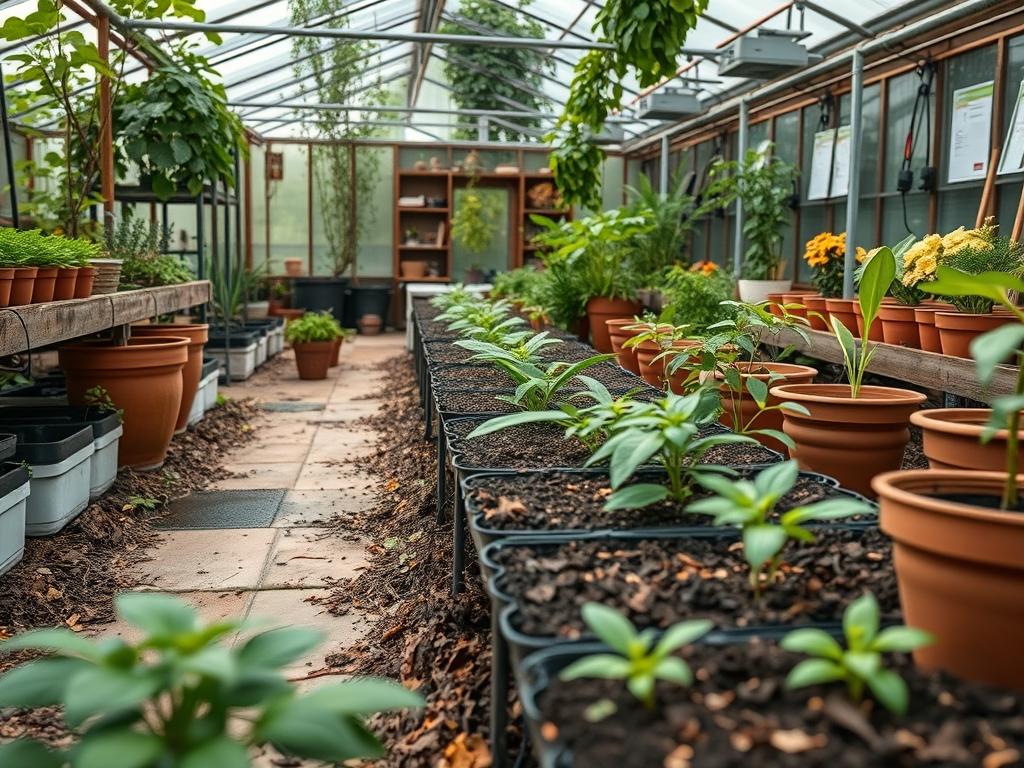
Implementing a sophisticated garden design requires more than just an eye for aesthetics; it demands a deep understanding of the biological interactions within the ecosystem. One of the most persistent challenges for landscape architects is the management of whiteflies, small hemipterous insects that can quickly diminish the health and curb appeal of a high end outdoor environment. These pests secrete honeydew, which leads to the growth of unsightly black sooty mold on foliage, compromising the crisp, clean lines of a well maintained property. To address this without relying heavily on synthetic chemicals, we utilize a strategy known as chromotropic attraction. By integrating yellow blooms into the landscape, we can effectively manage whitefly populations through a natural trap crop system. This approach ensures that the functional goals of the space, such as relaxation and entertainment, are not interrupted by pest swarms or the residue of intensive pesticide applications.
Landscape design must balance these utilitarian pest management strategies with visual harmony. When we select yellow flowering species for natural whitefly management, we are not merely adding color; we are creating a functional barrier. The goal is to draw the insects away from more sensitive or valuable specimen plants, such as Japanese Maples or Gardenias, and toward designated trap zones. This requires a careful evaluation of the site climate, as these yellow bloomers must be hardy enough to thrive in the specific microclimate of the garden while remaining attractive enough to serve as a design asset rather than a distraction.
Landscape Design Principles
Successful integration of trap crops relies on the core principles of symmetry and focal points. In a formal garden, yellow flowers can be used to frame certain areas, creating a sense of order while performing their ecological duty. If a landscape features a central water element or a large Flagstone patio, placing yellow blooms at the periphery can draw pests away from the primary seating areas. Elevation layers are also critical. Since whiteflies are often found on the undersides of leaves, planting yellow species at varying heights, from ground covers to mid level shrubs, ensures that the visual draw is effective across the entire vertical plane of the garden.
Walkways and circulation paths provide an excellent opportunity for this type of strategic planting. By lining a Crushed Granite path with yellow perennials, the landscape architect creates a visual guide for the visitor while simultaneously setting up a defensive line against insect migration. Visual balance is maintained by pairing these vibrant yellows with cooler tones, such as deep purples or slate grays, which prevents the yellow from becoming overwhelming. Furthermore, irrigation planning must account for these zones. Because trap crops are intended to take the brunt of pest pressure, they must be kept in peak health through precise Drip Irrigation systems to ensure they remain more attractive to whiteflies than the plants we are trying to protect.
Plant and Material Selection
The following table outlines the most effective yellow flowering species for whitefly management, categorized by their growth requirements and maintenance needs.
| Plant Type | Sun Exposure | Soil Needs | Water Demand | Growth Speed | Maintenance Level |
| :— | :— | :— | :— | :— | :— |
| French Marigold | Full Sun | Well Drained | Moderate | Fast | Low |
| Nasturtium | Full to Part Sun | Poor to Average | Low | Fast | Medium |
| Calendula | Full Sun | Loamy/Rich | Moderate | Moderate | Low |
| Goldenrod | Full Sun | Sandy/Clay | Low | Moderate | Very Low |
| Yarrow | Full Sun | Dry/Lean | Low | Fast | Low |
| Yellow Lantana | Full Sun | Adaptable | Low | Fast | Medium |
When selecting materials for the beds containing these plants, consider using Cedar Mulch. It provides a clean aesthetic and offers some natural insect repellent properties that can complement the yellow bloom strategy. For the structural elements of these beds, Weathered Limestone or Steel Edging can provide the necessary containment and definition, ensuring the trap crop areas look intentional and professional.
Implementation Strategy
The implementation process begins with professional grading to ensure moisture does not pool around the root zones of your trap crops. Most yellow bloomers, such as Marigolds and Calendula, require excellent drainage to prevent root rot. Once the site is graded, create defined borders using 4-Inch Metal Edging or Stone Pavers. This prevents the faster growing species, like Nasturtiums, from encroaching on lawns or other delicate garden beds.
After the structural borders are set, prepare the soil by incorporating Organic Compost to a depth of 6 Inches. This provides a nutrient rich base that encourages the lush, vibrant foliage that whiteflies find most appealing. When planting, space the specimens according to their mature width to allow for adequate airflow; this is a vital step in natural whitefly management, as stagnant air pockets can encourage pest breeding. After the plants are in the ground, apply a layer of Hardwood Woodchips or Double Shredded Bark Mulch at a depth of 3 Inches. This thickness is ideal for moisture retention and weed suppression without suffocating the root systems. Drainage should be monitored during the first few weeks of growth, with adjustments made to the Smart Irrigation Controller to match the specific needs of the new installations.
Common Landscaping Failures
One of the most frequent mistakes in backyard planning is the overcrowding of root systems. When homeowners or inexperienced contractors plant species too closely together to achieve an instant full look, they inadvertently create a stressed environment. Stressed plants release different chemical signals that can actually attract more pests, making your natural whitefly management efforts counterproductive. Proper spacing, usually 12 to 18 Inches for smaller annuals and up to 3 Feet for perennials like Yarrow, is essential.
Another failure is the neglect of soil compaction. In high traffic areas or zones with heavy clay content, the soil can become overly dense, preventing oxygen from reaching the roots. This leads to stunted growth and duller yellow blooms, which are less effective at attracting whiteflies. Using a Core Aerator or incorporating Perlite during the initial soil preparation can mitigate this issue. Additionally, irrigation inefficiencies, such as overhead spraying, should be avoided. Wetting the foliage frequently can lead to fungal issues and may actually wash away some of the predatory insects that are naturally drawn to the whiteflies.
Seasonal Maintenance
Landscape management is a year round commitment. In the spring, focus on soil preparation and the installation of new annual trap crops. This is the time to check your Backflow Preventer and ensure the irrigation lines are clear of debris. As summer arrives, deadheading spent blooms is necessary to keep the plants producing the vibrant yellow color needed for pest attraction. During this peak season, monitor the Moisture Sensor in your irrigation system to ensure the plants do not wilt during heat waves.
Autumn is the season for assessment and cleanup. Remove any annuals that have become heavily infested or are beginning to die back; this prevents whiteflies from overwintering in the garden debris. Consider planting yellow Chrysanthemums for a late season trap crop. In the winter, the focus shifts to hardscape maintenance and tool care. Use a Power Washer to clean Flagstone patios and stone walls, and sharpen your Pruning Shears for the coming year. This cycle ensures the landscape remains a functional, healthy, and high performing environment.
Professional Landscaping FAQ
Why are whiteflies attracted specifically to yellow flowers?
Whiteflies are biologically programmed to respond to the yellow wavelength of the light spectrum. They perceive this color as the vigor of healthy, succulent new growth, which makes yellow blooms the perfect visual lure for strategic pest management in various garden layouts.
Will yellow trap crops attract other beneficial insects too?
Yes, yellow blooms like Yarrow and Calendula are excellent for attracting pollinators and predatory insects. Ladybugs and lacewings are often drawn to these species; these predators will naturally prey on the whiteflies that the yellow blooms have attracted.
How far should I place yellow blooms from my main plants?
Place your yellow trap crops roughly 5 to 10 Feet away from the plants you wish to protect. This distance is close enough to lure the pests away but far enough to prevent the insects from accidentally migrating back to the prized specimens.
Does mulch color affect whitefly management?
While the yellow flowers are the primary attractant, using a light colored or Reflective Mulch can actually disorient whiteflies. However, for a professional aesthetic, a natural Dark Brown Bark Mulch is usually preferred alongside the yellow floral strategy for better visual contrast.
How often should I replace my yellow trap crops?
Annuals should be replaced each spring to ensure the most vibrant color and highest vigor. If a plant becomes excessively covered in sooty mold or whitefly eggs, remove and replace it immediately to maintain the overall health of the landscape design.