Integrating a functional, edible component into a residential landscape requires a sophisticated understanding of both aesthetic design and botanical health. When the goal is the cultivation of high-quality fruit for the purpose of capturing Wild Yeast Starters, the landscape architect must prioritize the health of the fruit skins, as this is where the desired microorganisms thrive. A successful site plan balances the visual appeal of a structured garden with the biological requirements of yeast-bearing plants like grapes, apples, and berries. This involves Careful consideration of microclimates, airflow, and organic maintenance schedules that avoid the chemical residues which would otherwise destroy a delicate wild culture. From a design perspective, we are not merely planting a garden; we are engineering a biological habitat that serves the outdoor living experience while providing a functional harvest.
Site analysis is the first step in any professional installation. For an environment focused on Wild Yeast Starters, we look for areas with optimal solar exposure and excellent air circulation. Stagnant air leads to fungal issues like powdery mildew, which can compete with or ruin the beneficial yeast populations on the fruit surface. Furthermore, the curb appeal of such a project is maintained by integrating these fruiting species into the wider landscape through the use of formal structures like espaliers or pergolas. This prevents the garden from appearing overgrown or chaotic. By choosing the right cultivars and placing them in a well-curbed, modern layout, we ensure that the property remains an asset to the neighborhood while functioning as a private botanical laboratory.
Landscape Design Principles
Professional landscape design relies on the core tenets of symmetry and focal points to guide the eye through the environment. When designing for fruit production, a central focal point might be a mature Malus domestica tree, surrounded by a symmetrical arrangement of lower-tier shrubs. Elevation layers are critical here; we utilize a tiered approach where the tallest canopy trees are positioned to the north, allowing shorter berry bushes and groundcovers to receive maximum southern sun. This layering creates a sense of depth and enclosure, making the garden feel like a private sanctuary.
Walkways serve as both functional access paths for harvesting and as visual anchors that define the garden’s geometry. For a fermentation-focused landscape, we often use decomposed granite or permeable pavers for these paths. These materials allow water to infiltrate the soil rather than creating runoff, which helps maintain a consistent moisture level for the plants. Visual balance is achieved by mirroring plantings across these paths. For example, if a row of Vitis vinifera is trained along a fence on the left, we might balance it with a structured hedge of Ribes nigrum on the right. This creates a rhythmic experience for anyone walking through the space.
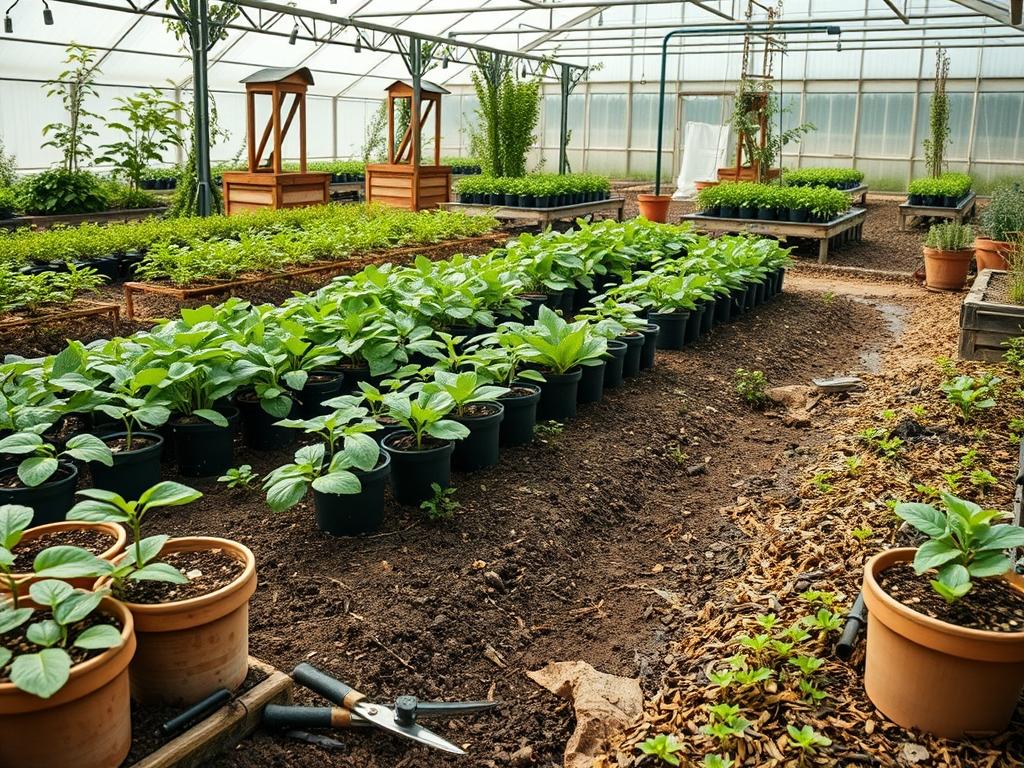
Irrigation planning is perhaps the most technical aspect of the design principles. Overhead watering must be avoided at all costs when the goal is to preserve the bloom on fruit skins. Instead, we implement sophisticated drip irrigation systems hidden beneath a layer of high-quality mulch. These systems deliver water directly to the root zone, keeping the foliage and fruit dry. This practice reduces the risk of spoilage and ensures that the wild yeast colonies remain undisturbed by the mechanical force of spray or the chlorine often found in municipal water supplies.
Plant and Material Selection
The following table outlines the primary plant species selected for their superior ability to host wild yeast while maintaining high landscape value.
| Plant Type | Sun Exposure | Soil Needs | Water Demand | Growth Speed | Maintenance Level |
| :— | :— | :— | :— | :— | :— |
| Vitis vinifera (Grapes) | Full Sun | Well-drained, sandy | Medium | Fast | High |
| Malus domestica (Apple) | Full Sun | Loamy, rich | Medium | Moderate | Moderate |
| Prunus domestica (Plum) | Full Sun | Slightly acidic | Low to Medium | Moderate | Moderate |
| Rubus idaeus (Raspberry) | Partial to Full | High organic matter | High | Fast | High |
| Ficus carica (Fig) | Full Sun | Well-drained, alkaline | Low | Moderate | Low |
| Sambucus (Elderberry) | Partial Sun | Moist, fertile | High | Fast | Low |
Implementation Strategy
The execution of a functional landscape begins with grading and soil preparation. Proper grading ensures that water moves away from the foundation of the home and toward the planting zones without pooling. We recommend a gentle slope of approximately 2 percent for most garden areas. Once the site is graded, we define the beds using heavy-duty steel edging or natural stone. Edging provides a clean line between the lawn and the garden, preventing grass from encroaching on the fruit plants and simplifying future maintenance.
After the structural boundaries are set, we focus on soil health. For yeast-producing plants, we avoid high-nitrogen chemical fertilizers. Instead, we incorporate organic compost and mycorrhizal fungi to build a living soil structure. This supports the overall microbial health of the entire site. We typically apply a 3-inch layer of hardwood mulch or pine bark over the beds. This mulch regulates soil temperature, suppresses weeds, and breaks down over time to feed the soil.
Drainage is managed through the installation of French drains or catch basins in low-lying areas. In a fermentation garden, excess moisture at the root level can lead to fruit splitting or rot, both of which introduce unwanted bacteria that outcompete the desired wild yeast. Hardscaping elements, such as retaining walls built from limestone or interlocking concrete blocks, can also be used to create raised planters. These elevated beds provide superior drainage and make harvesting the fruit skins much easier on the back, combining ergonomic functionality with high-end aesthetic appeal.
Common Landscaping Failures
One of the most frequent mistakes in garden planning is root overcrowding. Designing for the size of the plant at maturity is vital. When trees and shrubs are planted too close together, they compete for nutrients and water, leading to stressed plants that produce inferior fruit. Furthermore, overcrowding restricts airflow, creating a humid environment that promotes mold rather than healthy Wild Yeast Starters. We always recommend a minimum spacing of 10 to 15 feet for fruit trees and 3 to 5 feet for berry bushes to ensure each specimen has the resources it needs.
Soil compaction is another silent killer in the landscape. During construction or hardscaping installation, heavy machinery can crush the pore spaces in the soil. This prevents air and water from reaching the roots, leading to stunted growth. To fix this, we use broadforks or mechanical aerators before planting. Additionally, improper irrigation timing is a common failure. Watering in the late evening keeps the garden damp overnight, which invites pests and pathogens. Professional systems should be programmed to run in the early morning, allowing the sun to dry any incidental moisture on the plants quickly.
Seasonal Maintenance
Spring maintenance is centered on pruning and preparation. We use bypass pruners to remove dead, damaged, or diseased wood from the fruit trees and vines. This is also the time to apply a thin layer of dormant oil to smother overwintering pests without using harsh synthetic pesticides. As the blossoms emerge, we monitor the weather for late frosts, which can destroy the season’s fruit crop. Using frost blankets during cold snaps can save the harvest.
In the summer, the focus shifts to water management and fruit protection. We regularly check the drip emitters to ensure they are not clogged with mineral deposits. We also monitor for pests like birds or insects that might damage the fruit skins. Using bird netting is a common practice to protect the crop while it is developing the waxy bloom that contains the yeast. Autumn is the primary harvest season for most wild yeast sources. Once the fruit is gathered, we begin the process of “putting the garden to bed.” This includes removing fallen leaves which may harbor pathogens and applying a fresh layer of mulch to insulate the roots for the winter.
Winter is the time for structural planning and tool maintenance. We inspect retaining walls for any shifting caused by freeze-thaw cycles and clean our shovels, rakes, and pruners with a light coat of oil to prevent rust. While the plants are dormant, the landscape architect reviews the site’s performance and plans any necessary hardscape expansions or plant replacements for the following spring.
Professional Landscaping FAQ
Which fruits are best for capturing Wild Yeast Starters?
Grapes, plums, and apples are ideal because they possess a visible waxy bloom on their skins. This powdery coating is a concentrated source of wild yeast. Ensure the fruit is grown organically to maximize the microbial population available for harvest.
How does drainage affect yeast quality?
Poor drainage leads to root rot and increased humidity, which encourages the growth of competitive molds and souring bacteria. A well-drained site, achieved through proper grading and French drains, ensures the fruit remains healthy and the yeast colonies remain pure.
Should I use mulch in a fruit-focused landscape?
Yes, applying 3 inches of organic mulch is essential. It stabilizes soil moisture and temperature, reducing plant stress. Stressed plants produce less sugar and lower-quality skins, which directly impacts the vitality of the Wild Yeast Starters you aim to capture.
How can I integrate fruit plants without ruining curb appeal?
Utilize formal design techniques like espaliering fruit trees against a south-facing wall or using decorative cedar trellises for grapevines. This provides a structured, intentional look that fits seamlessly into a professional landscape while remaining highly productive for fermentation needs.
Is irrigation necessary for wild yeast gardens?
Consistent moisture is required for fruit development, but overhead watering must be avoided. A subsurface drip irrigation system is the professional choice, as it keeps the fruit skins dry and prevents the yeast from being washed away or contaminated by waterborne pathogens.