
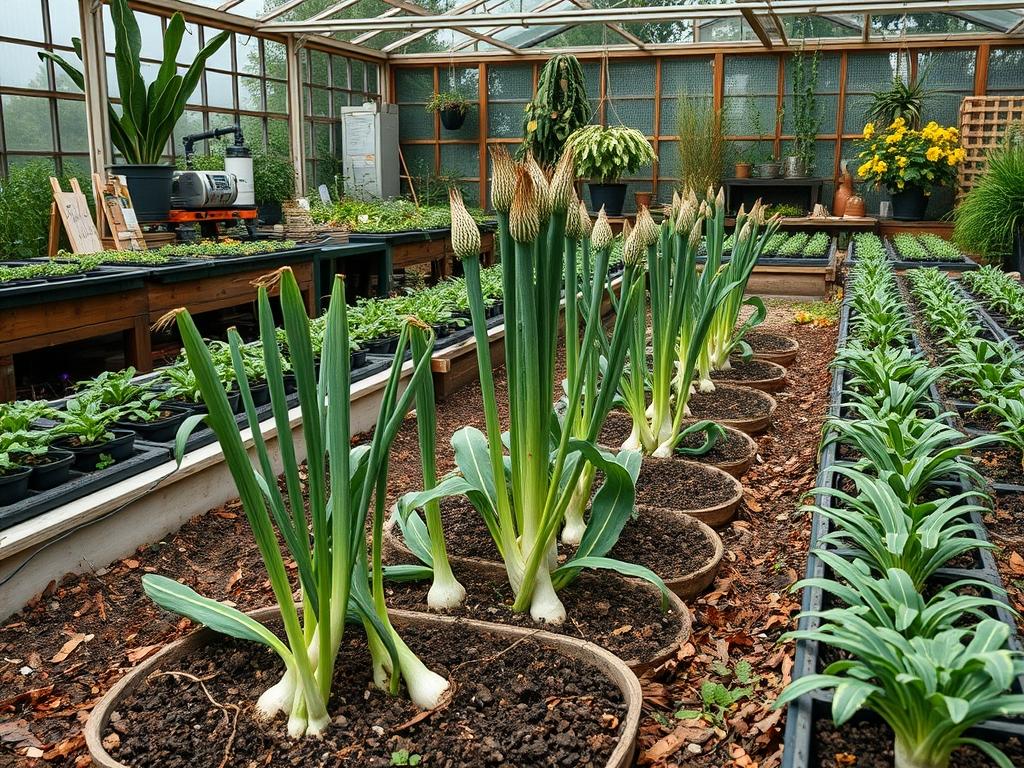
Integrating edible species into a high-end landscape requires a nuanced understanding of botanical life cycles and aesthetic transitions. Traditional garden design often segregates the vegetable patch from the ornamental border, yet the architectural silhouette of the Leek (Allium ampeloprasum) provides a striking verticality that rivals many decorative alliums. When a designer plans for saving leek seed heads, they are not merely managing a harvest; they are supervising a secondary aesthetic phase that spans two full growing seasons. This biennial habit poses a unique challenge for curb appeal. During the first year, the leek offers a dense, blue green foliage that serves as a structural ground cover. In the second year, the plant transitions into a dramatic flowering stage, producing a globose umbel that can reach heights of 4 feet. Understanding the climate considerations of your specific hardiness zone is vital, as the plant must survive a winter vernalization period to trigger the flowering response necessary for seed production. Successful integration into the outdoor environment relies on balancing this long term biological process with the functional goals of the landscape, ensuring that the drying stalks do not detract from the overall visual harmony.
Landscape Design Principles
Effective landscape architecture utilizes every phase of a plant’s life to enhance the spatial experience. When incorporating leeks for seed saving, symmetry and focal points become paramount. The tall, spherical seed heads act as natural exclamation points within a garden bed, drawing the eye upward and providing a sense of elevation. To maintain visual balance, these should be placed in the middle or rear layers of a perennial border. This positioning allows lower-growing Native Grasses or Salvia to mask the base of the leek, which often becomes tattered as the plant diverts energy toward seed maturation.
Elevation layers are further refined by the use of Retaining Walls or raised tiers, which help with the primary requirement for alliums: drainage. A flat, stagnant site is the enemy of the biennial seed saver. By utilizing a slight grade of 2 percent or planting in elevated beds, you ensure that the root systems remain oxygenated during the wet winter months. Furthermore, irrigation planning must be zoned carefully. While the vegetative phase requires consistent moisture, the seed maturation phase demands a drier environment to prevent fungal pathogens from rotting the developing umbel. Walkways should be designed with enough clearance to prevent pedestrian traffic from snapping the brittle, hollow stalks of the Leek as they approach full maturity in late summer.
Plant and Material Selection
The following table outlines the architectural and biological requirements for integrating leeks and their companions into a professional landscape plan.
| Plant Type | Sun Exposure | Soil Needs | Water Demand | Growth Speed | Maintenance Level |
| :— | :— | :— | :— | :— | :— |
| Leek (Allium ampeloprasum) | Full Sun | Loamy, Well-Drained | Moderate to Low | Slow (Biennial) | Medium |
| Companion: Lavender | Full Sun | Sandy, Alkaline | Low | Moderate | Low |
| Companion: Echinacea | Full Sun | Average, Lean | Low | Moderate | Low |
| Groundcover: Creeping Thyme | Full Sun | Rocky, Dry | Low | Fast | Low |
| Structural: Miscanthus | Full Sun/Part Shade | Most Soil Types | Moderate | Fast | Medium |
Implementation Strategy
The implementation of a seed saving landscape begins with strategic grading and soil preparation. Before a single bulb is placed, the site must be evaluated for drainage. If the soil is heavy clay, an amendment of Course Sand and Organic Compost should be tilled to a depth of 12 inches to increase porosity. Edging is then established using Steel Edging or Stone Pavers to define the boundaries between the turf and the dedicated seed beds. This clear delineation prevents the encroachment of invasive grasses that could compete with the leeks for nutrients.
Once the hardscaping is in place, the leeks are planted in clusters rather than rows to maximize the visual impact of the flower heads. A mulch depth of 3 inches using Pine Bark or Cedar Chips is recommended during the first year to regulate soil temperature and retain moisture. As the plants enter their second spring, the focus shifts to support. Because the seed heads are heavy and the stalks can be vulnerable to high winds, professional grade Bamboo Stakes or Galvanized Wire Supports should be installed early. Drainage must be monitored closely during the summer; as the umbels turn from purple or white to a dry tan color, artificial irrigation should be reduced. The final harvest occurs when the black seeds become visible within the papery capsules. At this stage, use Pruning Shears to remove the head with a portion of the stalk attached, then place them in Paper Bags to finish drying in a controlled environment.
Common Landscaping Failures
The most frequent failure in an integrated kitchen garden is improper drainage management. When leeks are planted in low spots without a corrected grade, the bulbs frequently rot during the winter dormancy, ending the seed saving cycle before the second year even begins. Soil compaction is another silent killer of the urban landscape. Heavy foot traffic near the root zones of the leeks compresses the pore space, leading to stunted growth and weak stalks that cannot support the weight of the seed head.
Root overcrowding often occurs when designers attempt to achieve an “instant” full look. While the initial planting may appear lush, the lack of airflow between mature leeks creates a microclimate ripe for downy mildew. Furthermore, irrigation inefficiencies, such as using overhead sprayers during the flowering stage, can lead to poor seed set. Water trapped within the dense umbel prevents proper pollination and encourages mold. Finally, neglecting the aesthetic decline of the plant as the seeds dry is a common design oversight. If not masked by neighboring plants, the yellowing foliage can give the landscape a neglected appearance, negatively impacting curb appeal during the peak of summer.
Seasonal Maintenance
Spring maintenance involves the careful removal of old mulch and the application of a high phosphorus fertilizer to encourage strong flower development in second-year plants. Inspect the Trowels and Hand Pruners for cleanliness to prevent the spread of soil-borne pathogens. As the temperature rises, monitor the site for the emergence of pests like the leek moth or thrips, which can disfigure the developing seed head.
Summer requires a transition in focus from growth to maturation. This is the period when staking becomes critical. Landscape architects should ensure that irrigation systems are adjusted to provide water only at the base of the plant, keeping the umbels dry. Toward the end of the season, when the seed heads reach the “shattering” stage, the harvest must be timed precisely to avoid losing seeds to the wind.
Autumn is the season for soil rejuvenation and new plantings. After the seed heads have been harvested, the remaining plant matter should be removed. This is an ideal time to check the performance of the Drainage Tiles and add fresh Mulch to the first-year leeks that will bloom the following year.
Winter management is primarily protective. In colder climates, a layer of Straw or Evergreen Boughs placed over the young leeks can prevent frost heaving, which occurs when the freeze-thaw cycle pushes the roots out of the soil. Ensuring the soil remains relatively dry during these months is the best way to guarantee a healthy crop of seed heads in the spring.
Professional Landscaping FAQ
How do I know when the seeds are ready to harvest?
Wait until the small capsules within the umbel begin to pop open, revealing the hard, black seeds inside. If more than 50 percent of the capsules are open, use Shears to harvest the head immediately to prevent seed loss.
Will leaving seed heads in the garden attract pests?
Dried seed heads generally do not attract common garden pests, but they can provide a winter habitat for beneficial insects. However, if leek moth was a problem during the summer, it is best to remove all debris from the site.
Can I save seeds from store bought leeks?
Most store-bought leeks are harvested before they reach maturity and may be hybrid varieties. For reliable results and genetic stability, start with open-pollinated heirloom seeds from a reputable supplier to ensure the next generation grows true to type.
How does mulch depth affect the biennial cycle?
A consistent 3 inch layer of mulch protects the root system from extreme temperature fluctuations during the winter. This stability is essential for the plant to survive and successfully transition into its flowering and seed-bearing phase the following year.
What is the best way to store seeds over winter?
Once the seeds fall easily from the dried heads, store them in airtight Glass Jars in a cool, dark, and dry location. Including a small packet of Silica Gel can help maintain the low humidity necessary for long-term viability.