Integrating heirloom bean varieties into a high end landscape design requires a sophisticated understanding of both spatial geometry and botanical history. While many residential planners relegate legumes to secluded kitchen gardens, a professional consultant views these plants as architectural tools. They offer verticality, seasonal color, and nitrogen fixation, making them essential for sustainable, multi functional outdoor environments. When the goal is saving heirloom bean varieties, the landscape must be engineered to support genetic purity and optimal seed maturation. This involves precise site grading, the installation of robust support structures, and the strategic positioning of cultivars to prevent cross pollination. The result is a landscape that delivers aesthetic curb appeal while serving as a living laboratory for biodiversity.
Climate considerations sit at the forefront of this planning process. Designers must evaluate the specific hardiness zone and the local frost free window to ensure that beans have enough time to reach full physiological maturity for seed saving. Unlike green beans harvested for consumption, beans intended for seed must remain on the vine until the pods are completely desiccated. This extended residency in the garden means the landscape must be able to withstand late summer humidity or early autumn rains without succumbing to fungal pathogens. Strategic airflow, achieved through meticulous plant spacing and the orientation of trellises against prevailing winds, is a foundational requirement. By treating the bean patch as a focal point of the garden, we elevate the act of conservation into a centerpiece of the outdoor experience.
Landscape Design Principles
Successful garden planning for heirloom beans relies on the principle of vertical layering. Utilizing the vertical plane allows a designer to maximize small footprints while creating a sense of enclosure and privacy. Cedar 4×4 posts or powder coated steel arches serve as elegant focal points that draw the eye upward, breaking the monotony of horizontal lawn expanses. These structures must be anchored with concrete footings to support the significant weight of mature vines and the subsequent wind load. By placing these vertical elements at the ends of sightlines, the designer creates a structured, intentional look that prevents the garden from appearing cluttered.
Symmetry play a vital role in formal landscape aesthetics. A series of identical tapered obelisks can frame a doorway or line a primary walkway, providing a sense of rhythm and order. Between these vertical accents, lower elevation layers consisting of bush bean varieties or companion native perennials create a tiered effect. This layering ensures that the soil remains shaded and cool, which is critical for maintaining the moisture levels required for consistent pod development. Furthermore, the integration of permanent walkways, constructed from compacted crushed stone or flagstone, ensures that the gardener can access the plants for maintenance and seed collection without causing soil compaction near the delicate root zones.
Irrigation planning must be invisible yet highly effective. Subsurface drip irrigation lines are preferred over overhead sprinklers to keep foliage dry and reduce the risk of anthracnose or blight. In a professional layout, these lines are often buried beneath a 3 inch layer of organic mulch, which regulates soil temperature and prevents the rapid evaporation of moisture. By zoning the irrigation system, a designer can provide high water volume during the flowering stage and then gradually reduce supply as the pods begin to dry, mimicking the natural signals required for seed dormancy.
Plant and Material Selection
| Plant Type | Sun Exposure | Soil Needs | Water Demand | Growth Speed | Maintenance Level |
| :— | :— | :— | :— | :— | :— |
| Scarlet Runner Bean | Full Sun | Well-drained loam | Moderate | Rapid | Low |
| Kentucky Wonder | Full Sun | Neutral pH 6.5-7.0 | High | Fast | Medium |
| Dragon Lingue | Partial Sun | High Organic Matter | Moderate | Medium | Low |
| Cherokee Trail of Tears | Full Sun | Deep, loose soil | Moderate | Fast | Medium |
| Hopi Black | Full Sun | Sandy loam | Low | Moderate | Low |
| Galante Bush Bean | Full Sun | Rich compost | Moderate | Fast | Low |
Implementation Strategy
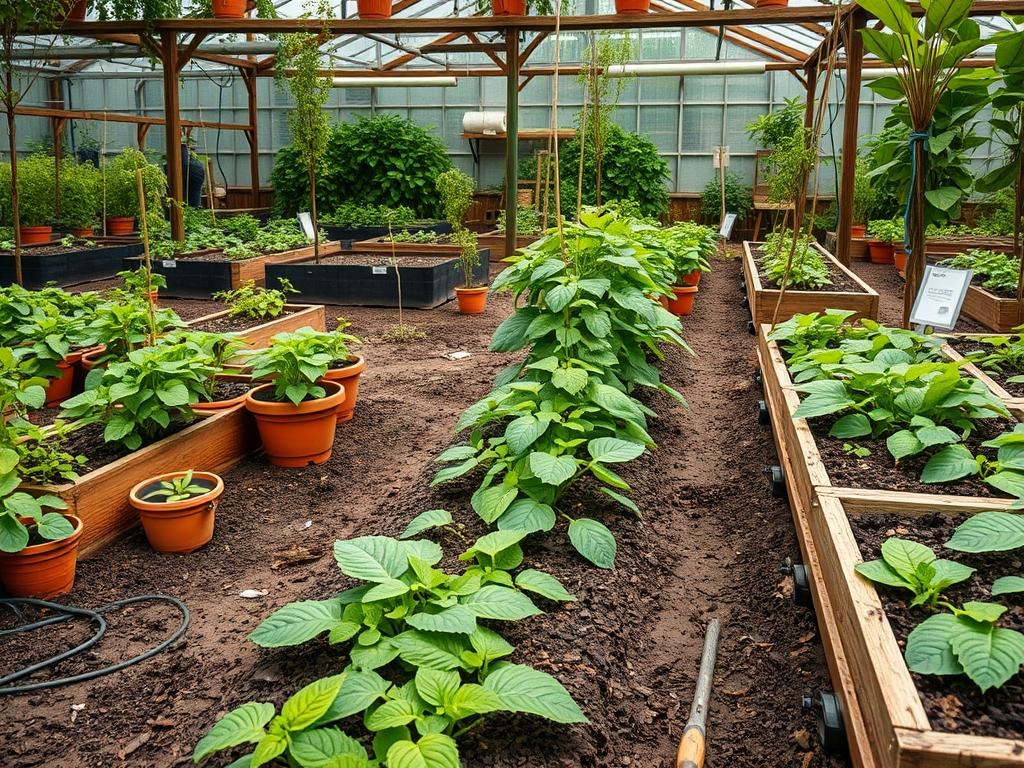
The transition from a design concept to a high performing bean garden begins with site grading and drainage. A 2 percent slope away from the home foundation is standard, but the specific planting beds should be leveled to prevent water runoff. If the site has heavy clay soil, the installation of French drains or the creation of raised beds using pressure treated timber or natural stone is necessary. This elevation ensures that the root systems remain oxygenated even during heavy spring rains. Once the topography is set, the soil should be amended with well rotted compost to achieve a friable texture that supports the rapid expansion of legume roots.
Edging provides the clean lines necessary for curb appeal. Using 14 gauge steel edging or tumbled brick pavers creates a sharp transition between the cultivated bean beds and the surrounding turf or walkways. This boundary is not merely aesthetic; it prevents invasive grass rhizomes from competing with the beans for nutrients. Within these borders, the installation of trellising material should occur before any seeds are planted. Using heavy duty cattle panels secured with zip ties to T-posts provides a sturdy grid that can support the massive biomass of heirloom pole beans.
When sowing the seeds, the spacing must be calculated to allow for the future size of the foliage. For pole varieties, a spacing of 4 inches between seeds and 36 inches between rows is recommended. This gap ensures that every leaf receives adequate sunlight, which triggers the production of the sugars necessary for high quality seed development. After planting, applying a layer of wheat straw or shredded bark mulch helps to suppress weeds and maintain the consistent moisture levels required for germination.
Common Landscaping Failures
One of the most frequent errors in garden planning is the failure to account for genetic isolation. If a designer places two different varieties of the same species, such as Two-Inch-Long and Blue Coco, in close proximity, the risk of cross pollination increases. For high stakes seed saving, a minimum distance of 10 to 20 feet between different varieties is essential, often buffered by taller plantings or physical barriers like a house or a dense hedge. Without this distance, the unique traits of the heirloom variety may be lost in the next generation.
Another common pitfall is over fertilization, particularly with nitrogen rich amendments. While nitrogen promotes lush green growth, it often inhibits flowering and pod set. A professional landscape maintainer should test the soil pH and nutrient levels before the season begins, aiming for a balanced profile. Furthermore, the lack of adequate structural support often leads to “lodging,” where the weight of the plants causes the trellis to collapse. This results in the pods touching the damp ground, leading to rot and the destruction of the potential seed crop. Ensuring that all hardware is galvanized and all wood is rot resistant prevents these structural failures.
Seasonal Maintenance
Spring maintenance begins with structural inspections. Before the vines emerge, the gardener must tighten any loose wires and ensure that the trellis posts remain plumb. Soil temperatures should reach a steady 60 degrees Fahrenheit before the first seeds are sown. During this period, checking the drip emitters for clogs ensures that the young seedlings will have immediate access to water upon germination.
Summer is a time of vigilance. The primary focus is on pruning and training the vines. Rather than allowing the plants to become a chaotic mass, the vines should be directed along the horizontal rungs of the trellis to maximize sunlight penetration. Monitoring for pests like the Mexican Bean Beetle is essential; early intervention with neem oil or hand picking can prevent a total crop loss. As the flowers fade and pods develop, irrigation must remain consistent to prevent the plants from aborting their seeds due to drought stress.
Autumn is the critical window for saving heirloom varieties. The gardener must resist the urge to tidy the landscape. The vines should be allowed to turn brown and brittle. Only when the seeds rattle inside the dry, parchment-like pods should they be harvested. Once the pods are removed, the spent vines can be cut at the soil line, leaving the roots in the ground to decompose and release nitrogen for the next season’s plantings.
Winter is dedicated to processing and storage. The seeds should be removed from their pods and placed in a cool, dark environment with a temperature below 50 degrees Fahrenheit. Use glass jars with silica packets to ensure zero moisture ingress. This is also the season for reflecting on the landscape’s performance and planning any structural upgrades or soil amendments for the coming year.
Professional Landscaping FAQ
How do I prevent cross-pollination in a small backyard?
Utilize physical barriers like the house or tall shrubs between bean varieties. You may also time your plantings so that different cultivars flower at different times, effectively isolating them through a chronological gap.
What is the best mulch for heirloom bean gardens?
Use a clean, weed-free wheat straw or pine bark mulch. These materials provide excellent moisture retention and thermal insulation without altering the soil pH significantly, which is critical for the health of heirloom varieties.
Can I grow heirloom beans in large containers?
Yes, provided the container holds at least 5 gallons of high-quality potting mix. Ensure the pot is heavy enough to anchor a 5-foot bamboo teepee, as wind can easily topple lightweight containers once the vines are mature.
Why are my bean pods rotting before they dry?
This is usually caused by poor airflow or excessive humidity. Increase your spacing to at least 6 inches between plants and avoid overhead watering. In wet climates, you may need to harvest the entire vine and hang it indoors.
Is it necessary to use a nitrogen inoculant?
For brand-new garden beds, a rhizobium inoculant can significantly improve growth. This powder, applied to the seeds at planting, helps the beans establish a symbiotic relationship with soil bacteria, leading to better nutrient uptake and seed production.