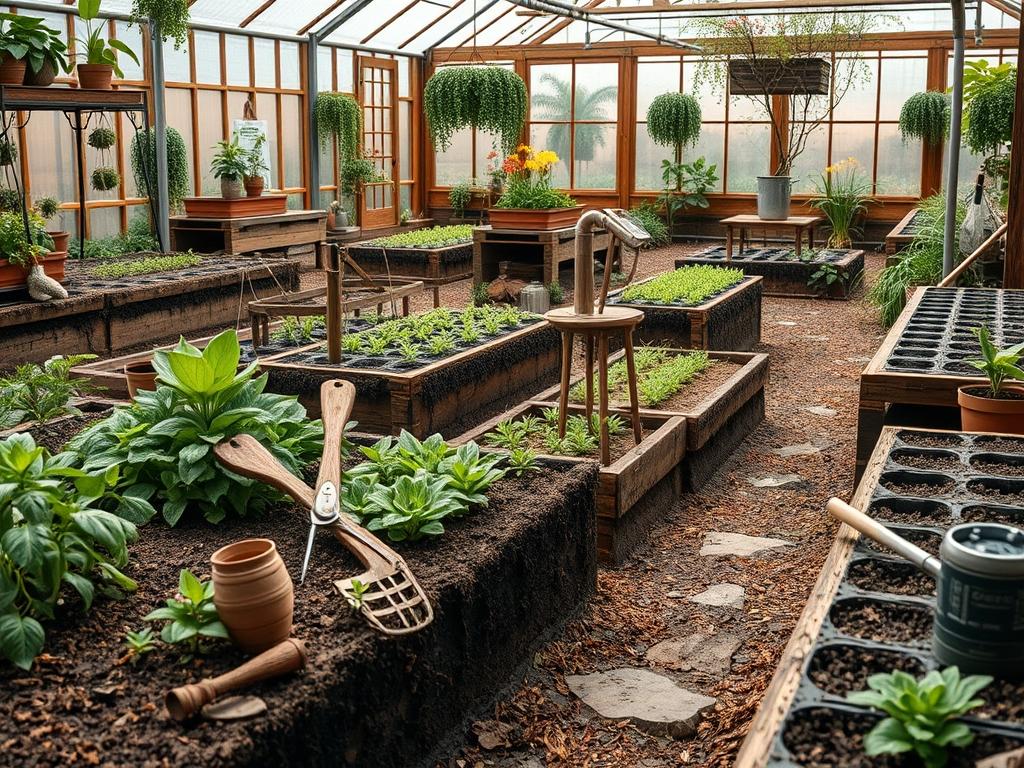
The art of shaping a landscape begins long before the first sapling is placed in the earth. It starts in the workshop, where the restoration of heirloom equipment ensures that every cut, dig, and grade is executed with surgical precision. Traditional Tool Restoration is not merely a hobby for the nostalgic gardener; it is a foundational practice for the serious landscape architect who understands that the quality of one’s outdoor environment is inextricably linked to the integrity of their implements. A rusted Spade or a dull Mattock cannot produce the clean lines required for high-end curb appeal or the delicate root preparation necessary for long-term plant health. When we approach garden planning through the lens of craftsmanship, we consider how the weight of a balanced D-handle Shovel influences the depth of a trench or how a perfectly sanded Wooden Handle prevents the fatigue that leads to sloppy design execution. Effective landscaping requires a deep understanding of local climate variables, soil topography, and the functional goals of the property owner. Whether the objective is a minimalist modern retreat or a sprawling English cottage garden, the mastery of the tools and the land must go hand in hand.
Landscape Design Principles
Professional landscape design relies on a structured hierarchy of visual and functional elements. Symmetry and visual balance serve as the primary pillars, guiding the eye toward specific Focal Points such as an ornamental tree or a stone water feature. To achieve this, architects often utilize Elevation Layers, which involve staggering plant heights to create depth. Low-lying groundcovers occupy the foreground, while mid-sized shrubs and tall canopy trees provide the midground and background. This layering is not just for aesthetics; it also mimics natural ecosystems, providing varied habitats and windbreaks.
The technical side of design involves rigorous Irrigation Planning and the layout of Walkways. A common mistake in amateur gardens is the lack of a clear transit logic. Paths should follow the natural flow of human movement, connecting outdoor living spaces to utility areas without disrupting the visual harmony. To ensure accuracy during the installation of these features, specialized measurements are required. Using a Sighting Level or a Transit Level allows the architect to map out grades and ensure that water flows away from the home foundation. Traditional tools play a vital role here as well. A restored Plumb Bob and heavy-grade String Line are still the most reliable ways to set straight edges for Retaining Walls and Stone Pavers. By maintaining these traditional instruments through careful sanding and oiling, the architect ensures that the structural bones of the landscape remain perfectly aligned for decades.
Plant and Material Selection
Choosing the right biological components is a matter of matching the site’s microclimate with the specific physiological needs of the vegetation. The following table outlines several hardy options that frequently appear in professional architectural plans.
| Plant Type | Sun Exposure | Soil Needs | Water Demand | Growth Speed | Maintenance Level |
|:—|:—|:—|:—|:—|:—|
| Boxwood Shrub | Full Sun to Part Shade | Well-drained, Loamy | Moderate | Slow | High (Pruning) |
| Purple Coneflower | Full Sun | Poor to Average | Low (Drought Tolerant) | Moderate | Low |
| Switchgrass | Full Sun | Coastal to Clay | Variable | Fast | Low |
| Hostas | Deep Shade | Rich, Organic | High | Moderate | Medium |
| Japanese Maple | Filtered Sunlight | Slightly Acidic | Moderate | Slow | Medium |
| Blue Star Creeper | Full Sun to Part Shade | Moist, Well-drained | Moderate | Fast | Low |
Material selection extends beyond plants to the hardscape. Crushed Granite, River Rock, and Cedar Mulch each serve distinct topographical roles. While mulch provides essential moisture retention and weed suppression, it must be applied at a specific 3-inch Depth to be effective without suffocating the root flares of trees.
Implementation Strategy
The transition from a blueprint to a physical garden requires a systematic implementation strategy. The process begins with Grading, the most critical step for ensuring proper site drainage. Using a restored Steel Rake and a Leveling Bar, the soil must be pitched at a minimum 2 percent slope away from any permanent structures. Once the base grade is established, the layout of the Hardscaping begins. This includes the installation of Retaining Walls and Patios. A sharp, restored Edging Shovel is essential for cutting clean trenches where stone or timber borders will sit.
After the structural elements are in place, the focus shifts to soil preparation. Professional architects often specify a mix of Composted Organics and Topsoil to be tilled into the existing earth. When planting large specimen trees, the hole should be excavated to twice the width of the root ball but no deeper than the root flare. This encourages lateral root growth, which provides better stability during high winds. Finally, applying a layer of Hardwood Mulch helps to regulate soil temperature and retain the moisture delivered by the newly installed Drip Irrigation system. Throughout this process, the use of well-maintained tools is paramount. A Hand Trowel with a handle that has been sanded to a 400-grit finish and treated with Linseed Oil allows for hours of fine-tuned planting without the risk of blisters or tool failure.
Common Landscaping Failures
Many projects fail due to a lack of attention to the hidden mechanics of the soil and water. Drainage Mistakes are the most frequent culprit, often resulting in “wet feet” for plants that require dry roots. When water pools on a lawn, it displaces the oxygen in the soil, leading to anaerobic conditions and root rot. Another frequent error is Root Overcrowding. It is tempting to plant closely for immediate impact, but failing to account for the mature width of a species leads to stunted growth and poor air circulation. Over time, crowded plants become breeding grounds for fungal diseases.
Soil Compaction is another silent killer of high-end landscapes. Heavy foot traffic or the use of heavy machinery during construction crushes the pore spaces in the soil, preventing nutrients from reaching the roots. To combat this, architects recommend regular aeration using a Core Aerator. Furthermore, Improper Spacing of irrigation heads often leads to “dry spots” or excessive runoff. Every sprinkler head should be calculated for 100 percent overlap, or “head-to-head” coverage, to ensure uniform moisture distribution. These failures are often exacerbated by the use of dull tools. For example, a blunt Spade creates jagged tears in roots during transplanting, which are much harder for the plant to heal than clean, sharp cuts.
Seasonal Maintenance
A landscape is a living entity that requires a revolving schedule of care to maintain its architectural intent. In the Spring, the focus is on cleanup and preparation. This involves removing winter debris, checking the Irrigation System for leaks, and applying a fresh layer of Mulch. This is also the primary season for Traditional Tool Restoration. Before the heavy work begins, all blades should be sharpened using a Whetsone and all wooden handles inspected for cracks.
Summer management focuses on water conservation and pest control. During periods of extreme heat, it is vital to monitor the soil moisture at a 4-inch Depth. Autumn is the window for planting new perennials and performing major structural pruning. Using a pair of sharp Loppers ensures that large branches are removed without stripping the bark. Finally, Winter is the season for dormant pruning and tool maintenance. It is the ideal time to take apart a Garden Hoe, sand the handle down with 120-grit then 220-grit sandpaper, and apply a protective coating of Wax or Oil. This cycle of care preserves not only the beauty of the garden but also the longevity of the investment.
Professional Landscaping FAQ
How often should I sharpen my landscaping tools?
For professional results, sharpen blades after every ten hours of use. A sharp Spade or Shear creates clean tissue cuts that prevent plant disease and reduce the physical effort required for heavy digging or intricate pruning tasks.
What is the best way to prevent wood handles from splintering?
Regularly sand handles with medium-grade sandpaper to remove burrs. Apply a coat of Boiled Linseed Oil every season. This penetrates the wood grain, keeping it flexible and preventing the drying that leads to dangerous structural cracks.
How do I determine the best drainage solution for my yard?
Perform a percolation test by digging a hole and monitoring the drainage rate. If water remains after twenty-four hours, you may need to install a French Drain or a Dry Well to manage the excess subterranean moisture.
Why is native plant selection so important in modern design?
Native species are adapted to local rainfall patterns and soil chemistry. They require significantly less fertilizer and supplemental water once established. This makes the landscape more sustainable and reduces the long-term maintenance burden on the property owner.
Can I restore a tool that has heavy surface rust?
Yes. Use a Wire Brush or Steel Wool to remove the oxidized layer. Once the bare metal is exposed, use a fine file to reset the bevel on the cutting edge. Always apply a thin layer of oil afterward.