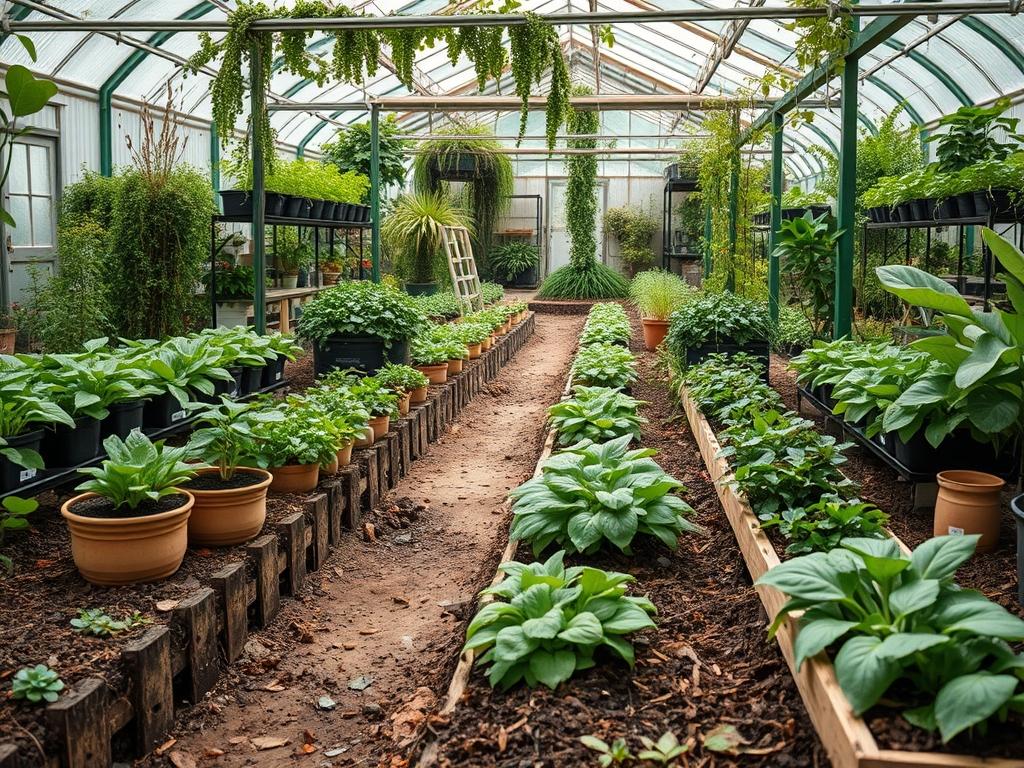
Understory edible planting in mature orchards represents the pinnacle of regenerative landscape design; however, it remains one of the most underutilized strategies in residential and commercial land management. A mature orchard, defined by its established canopy and deep root systems, offers a unique microclimate that can be harnessed to increase caloric yield and aesthetic value. The primary challenge involves managing the competition for light, water, and nutrients between the dominant fruit trees and the lower vegetation tiers. From a landscape architect’s perspective, this is not merely about gardening. It is about architectural layering. By populating the forest floor with edible species, we improve curb appeal through texture and color while simultaneously boosting the ecological health of the site. Success depends on understanding your specific USDA Hardiness Zone, as well as the unique soil biology beneath the canopy. Functionally, a well planned understory suppresses weeds and retains soil moisture, reducing the long term maintenance burden for the property owner.
Landscape Design Principles
When designing an edible understory, one must apply the same rigors of symmetry and focal points used in formal gardens, but with a flexible organic approach. The mature trees serve as the primary structural pillars, or the H1 layer in landscape terminology. To balance this verticality, the understory should utilize elevation layers. We typically categorize these as the shrub layer, the herbaceous layer, and the groundcover layer. Highlighting Focal Points such as a specimen Elderberry bush or a clustered group of Highbush Cranberries creates visual interest that guides the eye through the orchard.
Symmetry can be achieved through the repetitive use of textures along the orchard’s primary axis. For example, if you have a line of Apple Trees, planting a uniform row of Rhubarb at the base of each trunk provides a structural rhythm. Irrigation planning is critical at this stage. We often design for Drip Irrigation systems that are buried 2 inches below the Mulch layer to ensure water reaches the roots of the smaller plants without being intercepted by the heavy canopy of the trees above. Walkways should be integrated early in the design. Using Flagstone or Crushed Granite paths allows for easy harvesting access and prevents soil compaction, which is the silent killer of mature root systems. Visual balance is maintained by placing taller shrubs toward the center of the tree rows and lower groundcovers like Alpine Strawberries near the path edges.
Plant and Material Selection
| Plant Type | Sun Exposure | Soil Needs | Water Demand | Growth Speed | Maintenance Level |
| :— | :— | :— | :— | :— | :— |
| Brambles (Raspberry) | Dappled Shade | Loamy, Well-drained | Moderate | Fast | Medium |
| Currants (Red/Black) | Partial Shade | Rich, Organic | High | Moderate | Low |
| Honeyberry | Full Sun to Shade | Neutral pH | Moderate | Moderate | Low |
| Wild Leeks (Ramps) | Deep Shade | Moist, Humus-rich | High | Slow | Very Low |
| Hosta (Edible) | Shade | Adaptable | Moderate | Moderate | Low |
| Ostrich Fern | Shade | Consistently Moist | High | Fast | Medium |
| Mint (In Pots) | Any | Moist | High | Invasive | High |
Implementation Strategy
The transition from a barren orchard floor to a lush, edible understory requires a systematic approach to site preparation. First, assess the current Grading. You want to ensure that water does not pool at the base of tree trunks, which could lead to collar rot. If necessary, gentle Swales can be dug using a Hand Spade to redirect runoff toward the thirstier understory species. Next, perform a Soil Test to determine if the mature trees have depleted specific nutrients like Nitrogen or Potassium.
Once the layout is marked with Landscaping Flags, the installation begins with Edging. Steel or Heavy Duty Plastic Edging should be placed around the perimeter of the planting beds to prevent turf grass from encroaching. Instead of traditional tilling, which destroys the delicate mycelial networks and damages tree roots, we recommend sheet mulching. Lay down Non-waxed Cardboard over any existing weeds, then apply 4 inches of Organic Compost. This provides a clean slate for planting. When placing your 3-gallon or 1-gallon nursery pots, ensure you are spacing them based on their mature width, not their current size. Finish the installation with a 3-inch layer of Hardwood Bark Mulch. This depth is specific; it is thick enough to suppress weeds but thin enough to allow for gas exchange in the soil. For hardscaping, ensure any Retaining Walls used for elevation changes are built with Perforated Drain Pipe behind them to manage hydrostatic pressure.
Common Landscaping Failures
The most frequent mistake in understory planting is root overcrowding. Many enthusiasts attempt to plant too close to the trunk of the mature tree, which can lead to physical damage of the Root Flare. We suggest a “No-Plant Zone” of at least 18 inches from the base of any mature tree. Another failure is ignoring Soil Compaction. Using heavy machinery like a Skid Steer inside an established orchard can crush the macro-pores in the soil, suffocating the tree. Always use manual labor or light Walk-behind Equipment for orchard work.
Drainage mistakes are also common. If you plant moisture-loving species like Fiddlehead Ferns in a high spot, they will wither; conversely, planting Mediterranean Herbs like Lavender in a low-lying, boggy area will lead to instant root rot. Furthermore, irrigation inefficiencies often arise when gardeners use overhead sprinters. In a mature orchard, the leaves of the trees create an umbrella effect, preventing water from reaching the understory. This leads to high humidity and fungal diseases in the canopy while the ground plants remain parched. Always utilize Sub-surface Irrigation or Soaker Hoses to deliver water directly to the soil profile.
Seasonal Maintenance
Landscape management in a layered orchard follows the rhythm of the light. In Spring, the focus is on “The Great Thinning.” Before the canopy leaves out, the understory receives maximum sunlight. This is the time to apply a Slow-release Organic Fertilizer and to divide any overgrown perennials like Rhubarb or Walking Onions. Ensure your Pruning Shears are sharp and sanitized to remove any winter damage from the shrub layer.
In Summer, the priority shifts to moisture management and “Green Pruning.” As the canopy closes, the understory transitions into a cooler, shaded environment. Monitor the Tensiometer readings to ensure the soil remains moist. You may need to prune the lower branches of the fruit trees, a process known as Lifting the Canopy, to allow more dappled light to reach the berry bushes below. Autumn is the season for soil building. As the fruit trees drop their leaves, let them remain on the ground if they are disease free. This natural Leaf Litter is the best food for your understory. If you are planting new Bulbs or Corms, do it now while the soil is still warm. Finally, in Winter, the landscape architect’s job is protection. Apply Burlap Wraps to sensitive shrubs and ensure the Mulch is still thick enough to protect roots from the freeze-thaw cycle.
Professional Landscaping FAQ
Can I plant under mature Black Walnut trees?
You must select juglone-tolerant species. Currants, Elderberries, and Wild Graminoids typically survive. Avoid sensitive plants like Blueberries or Tomatoes, as the toxins produced by the walnut roots will eventually kill them through soil contact.
How do I prevent my orchard from looking messy?
Define clear boundaries using Hardscape Edging or Stone Borders. Group plants in odd-numbered clusters rather than random distributions. Maintaining a clean, mown grass path around the perimeter of the edible beds provides a visual “frame” that signals intentionality.
How much mulch is too much for an orchard?
Exceeding 4 inches of mulch can be detrimental. It creates a habitat for meadow voles which chew on tree bark and can prevent oxygen from reaching the soil. Always keep mulch pulled back a few inches from the actual tree trunk.
Will the understory plants steal nutrients from my fruit trees?
If managed correctly, they actually help. Deep-rooted plants like Comfrey act as dynamic accumulators, bringing minerals from the subsoil to the surface. When these plants die back, they fertilize the trees. Supplemental Compost applications ensure everyone is fed.
Do I need to install a drainage system?
If your orchard has standing water for more than 24 hours after a rain, yes. Use a French Drain topped with River Rock to move water away. This prevents root rot for both your mature trees and your new understory investment.