
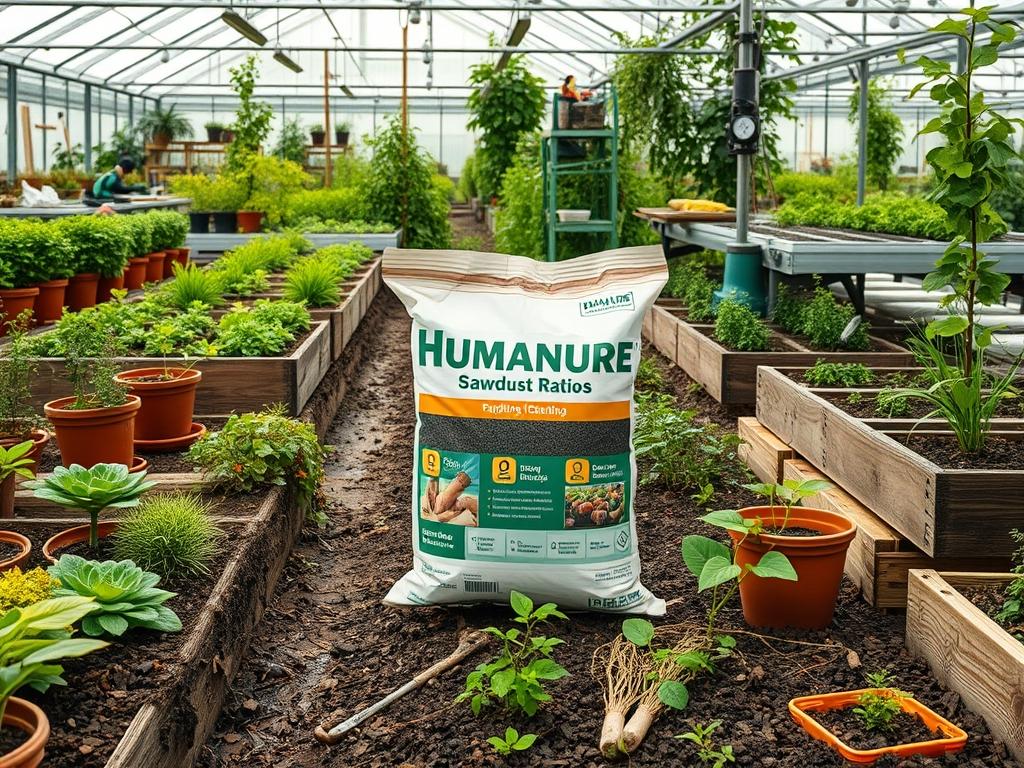
Integrating a sophisticated waste management system into a residential landscape requires a delicate balance of engineering, aesthetics, and biological science. When we design high-end outdoor environments, we often overlook the most potent resource available for soil regeneration. Establishing the correct Humanure Sawdust Ratios is not merely a matter of waste disposal; it is an essential component of site-managed nutrient cycling. A well-executed system ensures that the property remains odor-free while producing a rich, pathogen-free compost that can dramatically enhance the health of ornamental beds and structural plantings. The challenge lies in positioning these utility zones so they do not detract from the curb appeal or the functional flow of the garden. We must consider the local climate, as humidity and temperature dictate the rate of decomposition and the volume of cover material required to maintain a clean, aerobic environment.
Successful landscape architecture thrives on the health of the subterranean ecosystem. By utilizing a high-carbon cover material like Fine Pine Sawdust, we create a thermal blanket that facilitates thermophilic decomposition. This process reaches temperatures high enough to neutralize pathogens, long before the resulting humus is applied to the base of Native Shade Trees or privacy hedges. The visual impact of a garden depends heavily on the vigor of its flora. When we replace synthetic fertilizers with site-produced compost, we improve the soil structure, enhance water retention, and foster a diverse microbial community. This approach turns a logistical necessity into a landscape asset, ensuring that the outdoor living space is both beautiful and ecologically responsible.
Landscape Design Principles
In professional landscape design, every element must adhere to the core principles of symmetry, focal points, and elevation layers. When incorporating a biological processing area for humanure, we apply the same rigors of visual balance. We often utilize Wood Lattice Screens or Stone Retaining Walls to demarcate the utility zone without disrupting the sightlines of the primary garden. Symmetry is achieved by mirroring the structural elements of the compost bays with similar architectural features elsewhere in the yard, such as elevated planter boxes or matched Cedar Pergolas. By treating the composting site as a formal structure rather than a hidden corner, we elevate the functionality of the entire backyard.
Focal points are critical for directing the eye away from utility areas. We might place a large Basalt Water Feature or a specimen Japanese Maple in a primary viewing lane, ensuring the composting system remains in the peripheral vision. Elevation playing a key role, we often suggest tiered grading to ensure that any potential runoff is directed toward a dedicated Bioswale or rain garden. This prevents excess moisture from pooling near the processing bins. Proper irrigation planning is also vital. While the compost piles require moisture to stay active, they must be protected from direct spray by Netafim Drip Lines. This ensures that we maintain the perfect moisture level without over-saturating the material, which could lead to anaerobic conditions and unpleasant odors.
Plant and Material Selection
Choosing the right materials and plants for the perimeter of a nutrient-recycling zone requires an understanding of nutrient uptake and screening capabilities. We prefer species that can handle high-nitrogen environments if there is any accidental leaching, as well as plants that provide dense, year-round coverage.
| Plant Type | Sun Exposure | Soil Needs | Water Demand | Growth Speed | Maintenance Level |
| :— | :— | :— | :— | :— | :— |
| Western Red Cedar | Full Sun to Part Shade | Moist, well-drained | Moderate | Medium | Low |
| Switchgrass | Full Sun | Adaptable | Low | Fast | Low |
| Panicle Hydrangea | Part Sun | Rich, loamy | High | Fast | Medium |
| Boxwood Shrub | Full Sun to Shade | Well-drained | Moderate | Slow | Medium |
| Serviceberry | Full Sun | Slightly acidic | Moderate | Medium | Low |
| River Birch | Full Sun | Wet to moist | High | Fast | Medium |
Implementation Strategy
The transition from a design concept to a functioning backyard layout begins with precise site grading. We start by identifying a level area at least 20 feet from any open water source or wellhead. Using a Transit Level, we ensure the ground slants slightly away from the residential structure to prevent drainage issues. Once the site is prepared, we install a foundation of Crushed Limestone or Pea Gravel to provide a stable, well-draining base for the composting bins. Each bin should be at least 3 feet by 3 feet by 3 feet to ensure enough mass for heat retention.
The next step involves the placement of the “cover material” station. To maintain the ideal Humanure Sawdust Ratios, accessibility is key. We typically specify a 5-Gallon Bucket system for daily use, with a larger storage bay nearby holding several Cubic Yards of kiln-dried Sawdust. The ratio is generally one part waste to one part sawdust by volume, but this can increase to two parts sawdust if the material is particularly fine or if the ambient humidity is high. During the setup, we also install permanent edging, such as Steel Landscape Edging, to keep the mulch and sawdust contained within their designated zones. This prevents the utility materials from migrating into the manicured Fescue Turf or flower beds.
Final hardscaping involves the construction of walkways. We recommend using Flagstone Pavers set in Stone Dust to create a stable, all-weather path to the composting area. This ensures that the system can be serviced easily regardless of the season. Finally, we apply a 3-inch layer of Hardwood Mulch to the surrounding garden beds. This helps to unify the aesthetic of the utility area with the rest of the landscape while providing additional weed suppression and moisture retention.
Common Landscaping Failures
One of the most frequent errors in garden planning is the failure to account for drainage. When a composting system is placed at a low point on the property, it can become waterlogged during heavy rains. This drowning of the microbial colony leads to an anaerobic state, causing the pile to smell and slowing the decomposition process significantly. Another common mistake is root overcrowding. Designing a tight screen of Arborvitae too close to the compost bins can result in the roots infiltrating the nutrient-rich pile. This makes it nearly impossible to turn the compost or remove it for use without damaging the plants.
Improper spacing is another hallmark of amateur landscape attempts. Homeowners often underestimate the mature width of Privacy Shrubs, leading to a congested mess that prevents air circulation. Without adequate airflow, the composting area remains damp and cool, which is the opposite of what is needed for clean, thermophilic processing. We also see frequent issues with soil compaction. Using heavy machinery near the composting site during construction can crush the soil structure, preventing oxygen from reaching the base of the pile. This is why we advocate for the use of Hand Tools and lighter Skid Steers when working in sensitive garden zones. Finally, irrigation inefficiencies, such as pointing Rotary Sprinkler Heads directly at the cover material storage, can ruin the carbon source before it is even used.
Seasonal Maintenance
Landscape management is a year-round commitment that changes with the tilt of the earth. In the spring, the focus is on “awakening” the system. We recommend turning the center of the compost pile with a Manure Fork to introduce fresh oxygen as the temperatures rise. This is also the time to apply a fresh layer of Bark Mulch to all garden beds and to check the Irrigation Valves for any winter damage. As summer arrives, moisture management becomes the priority. If the weather is exceptionally dry, the compost pile might need a light misting to keep the biological activity high. We also look for signs of stress in the Ornamental Grasses and ensure that the Humanure Sawdust Ratios remain high enough to prevent any summer heat odors.
Autumn is the season for harvesting. This is when the finished, earthy-smelling compost is pulled from the bottom of the oldest bins and integrated into the perennial borders. We use a 1/2-inch Screen to sift the material, ensuring a fine texture for the spring plantings. Once the bins are emptied, they are ready for the high-volume inputs of fall leaves, which can be mixed with the Sawdust to provide a diverse carbon diet for the winter. During winter, maintenance shifts to insulation. We often bank the sides of the composting bins with Straw Bales to keep the core temperatures high against the freezing wind. It is also a time to prune Deciduous Trees while they are dormant, ensuring that the structural integrity of the landscape remains sound for the coming year.
Professional Landscaping FAQ
What is the ideal ratio for odor control?
A baseline of 1:1 by volume is standard. However, if the pile seems too wet or begins to generate a scent, increase the Sawdust to a 2:1 ratio. Always ensure the waste is fully covered by at least 2 inches of dry material.
Can I use any type of wood shavings?
Kiln-dried Softwood Sawdust is preferred because of its high surface area and absorbency. Avoid shavings from pressure-treated lumber or walnut trees, as the chemicals and natural juglone can inhibit plant growth and harm the beneficial microbes in your soil.
How do I hide the compost area stylishly?
Utilize Decorative Fencing or a living wall of English Ivy. By creating a physical barrier that matches the architectural style of your home, you can tuck the utility zone into the landscape without sacrificing the overall aesthetic of the backyard.
How long before the compost is safe for garden use?
In a well-managed thermophilic system, the material should age for at least 12 months. This includes a period of active heating followed by a long curing phase, ensuring that all pathogens are neutralized and the organic matter is fully stabilized.
Does this system attract pests or rodents?
When the Humanure Sawdust Ratios are maintained correctly, the pile is not an attractive food source for pests. Because there are no food scraps or oils involved, and the waste is covered immediately, there is very little to draw in unwanted wildlife.