
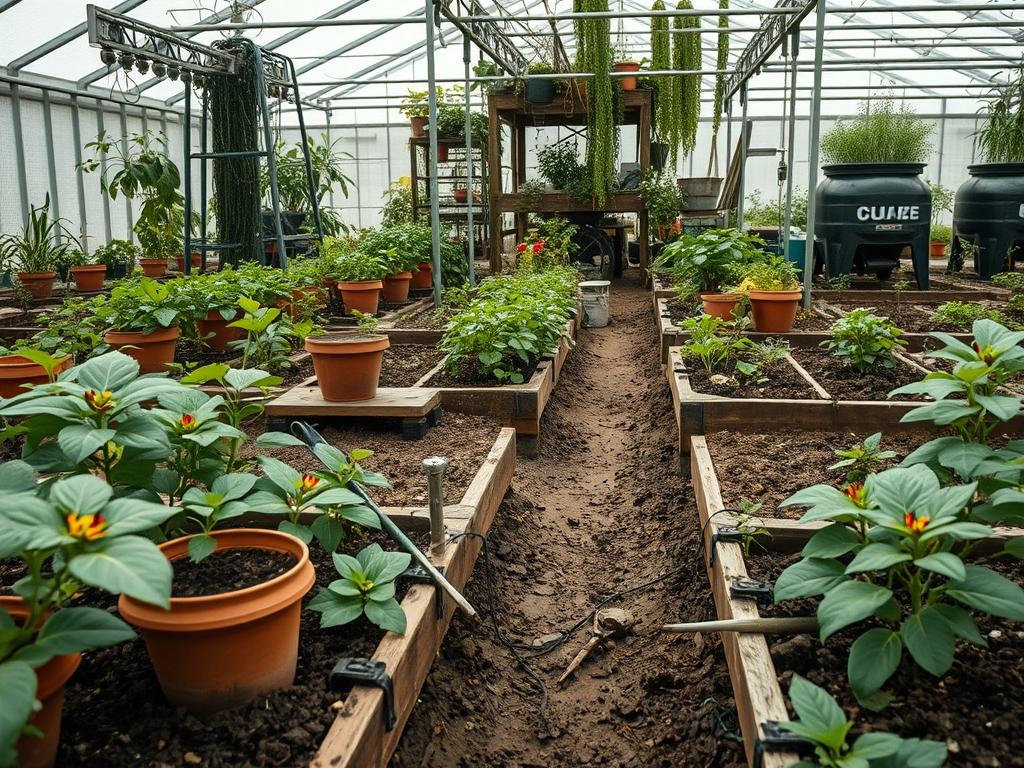
The aesthetic integrity of a master planned landscape is frequently threatened by the rapid defoliation caused by lepidopteran larvae. For the landscape architect, the challenge lies in balancing immediate curb appeal with long term ecological stability. While traditional chemical interventions offer a temporary solution for caterpillar infestations, they often compromise the overall health of the environment and degrade the soil quality. Integrating a biological control strategy focused on attracting parasitic wasps provides a sophisticated, self sustaining method for maintaining plant health. These beneficial insects, particularly those from the Braconidae and Ichneumonidae families, act as internal regulators of the garden. By designing an environment that provides nectar, shelter, and specific nesting sites, a professional can minimize the need for synthetic pesticides while enhancing the outdoor functionality of the site. This approach requires a deep understanding of microclimates, plant layering, and the specific physiological needs of these microscopic allies.
Successful landscaping is not merely about the visual arrangement of plant material; it is about creating a functional ecosystem. In regions where high humidity or sudden temperature shifts drive pest cycles, the presence of predatory insects becomes a critical design feature. A garden that successfully integrates these natural controls will exhibit higher resilience, better foliage density, and more consistent flowering cycles. This transition from a decorative space to a working landscape necessitates a shift in how we perceive garden “cleanliness.” Leaving certain areas slightly less manicured can provide the necessary refuge for wasps, while carefully selected focal points ensure the space remains visually stunning for the property owner.
Landscape Design Principles
A professional landscape design must prioritize visual balance through symmetry and focal points, but it should also incorporate functional complexity. To attract parasitic wasps, designers should implement a strategy of “floral ribbons” or “insectary borders” that wrap around the primary ornamental beds. These borders act as a constant food source for adult wasps, which primarily feed on nectar and pollen. By using elevation layers, a designer can create a vertical habitat. Ground covers like Sweet Alyssum provide the lowest tier, while mid level perennials such as Yarrow provide a transition to larger shrubs and canopy trees. This layering mimics a natural forest edge, which is the preferred hunting ground for many parasitic species.
Symmetry can be maintained by using repeating patterns of nectar producing plants along stone walkways or tiered retaining walls. For example, placing Fennel or Dill at regular intervals within a formal boxwood parterre introduces the necessary biological diversity without disrupting the clean lines of the design. Irrigation planning is equally vital; parasitic wasps are small and can easily drown in heavy overhead spray. A Drip Irrigation System buried beneath 3 inches of Hardwood Mulch ensures that plants remain hydrated while keeping the foliage dry and accessible for the wasps. Furthermore, incorporating stone focal points, such as large Flagstone boulders, provides thermal mass. These stones absorb heat during the day and release it at night, creating a stable microclimate that supports the metabolic activity of beneficial insects.
Plant and Material Selection
Selecting the right plant material is the cornerstone of any integrated pest management plan. Parasitic wasps have short mouthparts, meaning they cannot access nectar from deep, tubular flowers. They require shallow, accessible blossoms, typically found in the Apiaceae and Asteraceae families. The following table provides a selection of plants designed to maximize wasp recruitment while maintaining high aesthetic standards.
| Plant Type | Sun Exposure | Soil Needs | Water Demand | Growth Speed | Maintenance Level |
| :— | :— | :— | :— | :— | :— |
| Dill | Full Sun | Well-drained | Moderate | Fast | Low |
| Fennel | Full Sun | Sandy/Loamy | Low | Moderate | Low |
| Sweet Alyssum | Full Sun/Part Shade | Neutral | Moderate | Fast | Moderate |
| Yarrow | Full Sun | Poor to Average | Low | Fast | Very Low |
| Coriander | Full Sun/Part Shade | Rich/Loamy | Moderate | Fast | Low |
| Cosmos | Full Sun | Average | Moderate | Fast | Low |
| Buckwheat | Full Sun | Poor | Low | Extremely Fast | Low |
| Goldenrod | Full Sun | Any | Low | Moderate | Very Low |
In addition to plant selection, the use of Organic Compost and Arborist Wood Chips is essential. These materials improve soil structure and prevent the Soil Compaction that can inhibit the lifecycle of ground nesting species. The inclusion of Native Grasses also provides structural support and overwintering sites for the wasp population.
Implementation Strategy
The transition from a design on paper to a functioning backyard habitat requires a methodical approach to site preparation. First, the site must be evaluated for proper Grading. A 2 percent slope away from the home foundation is standard to ensure that water does not pool, which could rot the root systems of the nectar plants. Once the grade is established, Landscape Edging should be installed to define the boundaries between turf areas and the insectary beds. This edging prevents the encroachment of vigorous lawn grasses into the delicate planting zones.
After the structural elements are in place, the irrigation lines should be laid. Focus on a Zone-Based Irrigation strategy where the nectar producing plants are grouped according to their water demand. For instance, Dill and Coriander should be on a separate zone from drought tolerant Yarrow. When planting, use a Transplant Shovel to ensure the hole is twice as wide as the root ball. This encourages rapid lateral root growth. Once the plants are in the ground, apply a layer of Mulch at a depth of exactly 3 inches. Be careful not to pile mulch against the stems of the plants; this can lead to fungal infections and provide a hiding spot for the very caterpillars you are trying to control. Finally, consider adding a small, shallow water feature with submerged stones. This allows wasps to land and drink without the risk of drowning.
Common Landscaping Failures
One of the most frequent failures in professional landscaping is the oversimplification of the plant palette, often referred to as a monoculture. While a single species of shrub might look uniform and modern, it offers no support for beneficial insects. This lack of diversity leads to a boom and bust cycle of pests. Another common error is improper drainage. If a garden bed is situated in a low spot without a French drain or proper Gravel Sub-base, the soil will become anaerobic. Parasitic wasps often pupate in the soil or in leaf litter; waterlogged conditions will kill them before they can emerge.
Root overcrowding is another issue that designers must anticipate. When plants are spaced too closely for “instant impact,” they compete for nutrients and water, leading to stress. Stressed plants release different chemical signals that often attract more pests while lacking the energy to produce high quality nectar for wasps. Furthermore, the misuse of broad spectrum insecticides is a catastrophic failure. These chemicals do not distinguish between a destructive caterpillar and a beneficial wasp. Even “organic” sprays can be lethal to the delicate adult wasps. Finally, Soil Compaction from heavy machinery during the construction phase often goes uncorrected. Using a Power Auger or Till to loosen the soil to a depth of 12 inches is a necessary step to ensure the long term survival of the landscape.
Seasonal Maintenance
Maintenance should be viewed as a seasonal pivot rather than a repetitive chore. In the spring, the focus is on cleanup and preparation. However, a professional should resist the urge to remove every fallen leaf. Many parasitic wasps overwinter in the duff layer. Wait until temperatures are consistently above 50 degrees Fahrenheit before performing a thorough garden clearing. Apply a fresh layer of 1 inch of compost to replenish soil nutrients and prepare for the peak growth season.
During the summer, the priority is water management and deadheading. Removing spent blooms from Sweet Alyssum and Cosmos encourages a second flush of flowers, extending the food supply for the wasps. Monitor the Drip Emitters to ensure they are not clogged by mineral deposits. As autumn approaches, allow some of the biennial plants like Fennel to go to seed. This provides structural interest in the winter and ensures a new generation of plants for the following year. In winter, maintenance involves structural pruning of woody shrubs and planning for any necessary additions to the floral ribbons. This is also the best time to inspect Retaining Walls and Walkways for any shifting caused by frost heave, ensuring the hardscape continues to support the overall drainage plan.
Professional Landscaping FAQ
Which specific plants attract the most parasitic wasps?
Plants in the carrot family, such as Dill, Fennel, and Coriander, are highly effective. Their shallow, open umbels allow small wasps to access nectar easily. Sweet Alyssum and Yarrow are also excellent choices for continuous seasonal coverage.
How do parasitic wasps control the caterpillar population?
Adult female wasps lay their eggs inside or on the host caterpillar. As the wasp larvae develop, they consume the caterpillar from the inside. This process eventually kills the pest, preventing it from reaching the reproductive butterfly or moth stage.
Will parasitic wasps sting my family or pets?
No. Most parasitic wasps are microscopic and lack the defensive stinging instinct found in social wasps like yellowjackets. They are solitary hunters focused entirely on their host insects. They are generally considered unnoticeable and harmless to humans and domestic animals.
Can I use any mulch in my wasp friendly garden?
Use organic, non dyed Hardwood Mulch or Cedar Chips. Avoid plastic weed barriers or heavy rubber mulches, as these prevent beneficial insects from accessing the soil. A 3-inch layer of organic material supports the soil biology necessary for a healthy ecosystem.
How long does it take to see results from this method?
While some wasps will arrive within days of planting nectar sources, establishing a stable population usually takes one full growing season. Once the “floral ribbon” is mature and the habitat is stable, the need for manual caterpillar removal will significantly decrease.