
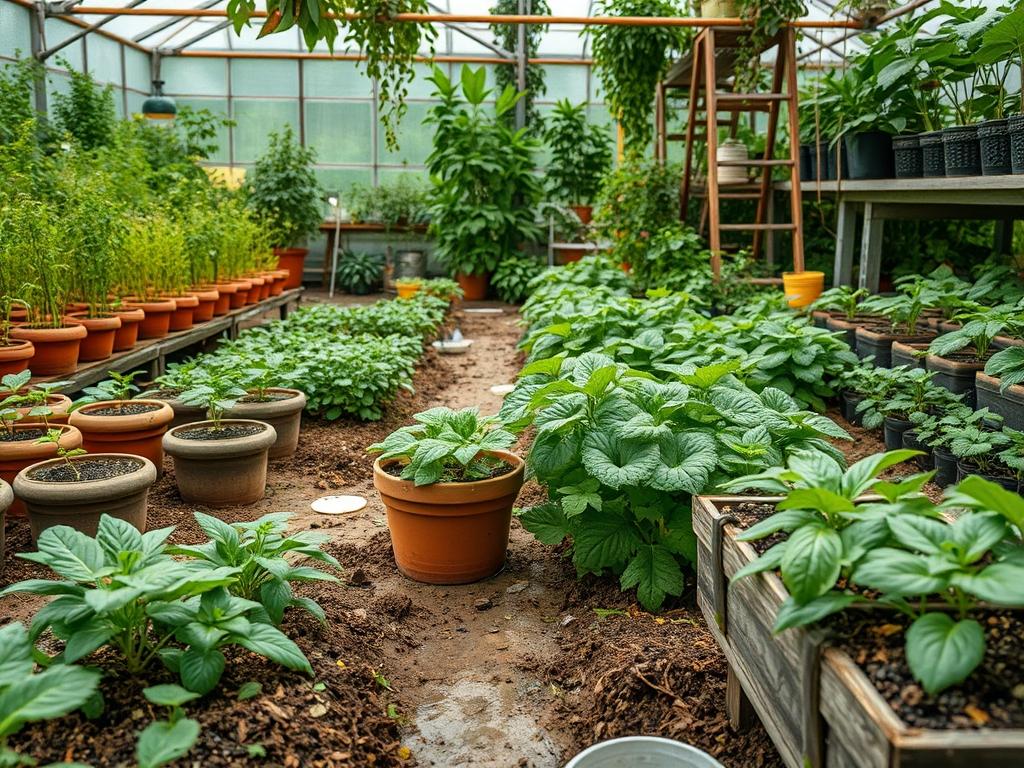
Achieving a high-performance landscape requires a shift from superficial aesthetics to deep biological health. When we design for curb appeal and outdoor functionality, we are essentially managing a living system that must survive varying climate pressures while maintaining a specific visual standard. Professional landscape architects increasingly turn to bio-intensive solutions like Fermented Plant Juice to ensure that high-value installations thrive without the salt-burn risks associated with synthetic fertilizers. This approach addresses the core landscaping challenge of maintaining vibrant greenery in depleted urban soils or high-traffic residential zones. By integrating home-brewed nutrients into a broader garden management plan, we can enhance the structural integrity of the soil, which in turn supports the architectural goals of the property.
Fermented Plant Juice is a liquid fertilizer created by extracting the vital essence of vigorous plants through osmotic pressure. It is a cornerstone of Korean Natural Farming and serves as a powerful growth stimulant during the vegetative phase of an outdoor environment. When we apply this to a newly installed landscape, we are providing the plants with a concentrated dose of enzymes and growth hormones like auxins and cytokinins. This ensures that the primary plant palette reaches a mature size more rapidly, filling in gaps in the design and providing the immediate privacy or shading that clients demand. A successful outdoor space is not just about the placement of stones and timber; it is about the sustained metabolic health of every living component within those borders.
Landscape Design Principles
A professional landscape relies on the precise application of symmetry and visual balance to guide the eye and create a sense of order. We use focal points, such as a specimen Acer palmatum or a bespoke stone sculpture, to anchor the viewer’s attention. These focal points must remain in peak condition to be effective. If a focal tree shows signs of chlorosis or stunted growth, the entire design loses its impact. Utilizing high-potency nutrients like FPJ ensures that these critical design elements remain lush and visually dominant through the growing season.
Elevation layers play an equally important role in creating depth within a garden. By arranging plants from the shortest foreground species to the tallest background screens, we simulate natural forest edges. This layering also affects the local microclimate and drainage patterns. Effective irrigation planning must account for these layers, ensuring that water-heavy zones are separated from drought-tolerant areas. When walkways are introduced, they serve as the skeletal structure that defines how a person interacts with the space. We often use decomposed granite or irregular flagstone for these paths, ensuring they are wide enough for two people to walk comfortably. Visual balance is achieved by mirroring shapes or textures across a central axis, creating a harmonious environment that feels both curated and natural.
Plant and Material Selection
| Plant Type | Sun Exposure | Soil Needs | Water Demand | Growth Speed | Maintenance Level |
| :— | :— | :— | :— | :— | :— |
| Buxus sempervirens | Full Sun to Shade | Well-Drained Loam | Moderate | Slow | High (Pruning) |
| Pennisetum alopecuroides | Full Sun | Sandy or Heavy Clay | Low to Moderate | Fast | Low |
| Lavandula angustifolia | Full Sun | Gritty, Alkaline | Low | Medium | Medium |
| Hosta fortunei | Full shade | Rich, Organic Matter | High | Medium | Low |
| Cornus florida | Partial Shade | Acidic, Well-Drained | Moderate | Medium | Medium |
| Ilex glabra | Full Sun to Partial | Moist, Acidic | High | Medium | Low |
Implementation Strategy
The successful implementation of a garden plan begins with proper site grading to ensure that water moves away from building foundations and toward designated drainage zones. Once the grade is established, we mark the layout using construction marking paint to visualize the beds and hardscaping. Edging is then installed using 14-gauge steel edging or poured concrete curbs to create a permanent barrier between the lawn and the planting beds.
To bridge the gap between hardscaping and biology, we introduce the Fermented Plant Juice brewing process. To brew a high-potency FPJ, gather the growing tips of vigorous local plants, such as Urtica dioica or fast-growing Salix shoots, early in the morning when their energy is highest. Weigh the plant material and mix it with an equal weight of organic brown sugar. Pack the mixture tightly into a sterile glass jar or a food-grade plastic bucket, filling it to about two-thirds capacity. Cover the container with breathable cheesecloth secured by a rubber band to allow for gas exchange while preventing insects from entering.
After 7 days in a cool, dark location, the osmotic pressure will have extracted the juices into a dark, syrupy liquid. Strain this concentrate through a fine mesh sieve and store it in a cool place. For application, dilute the concentrate at a ratio of 1:500 or 1:1000 with de-chlorinated water. Use a backpack sprayer to apply this as a foliar feed or as a soil drench around the base of newly installed plants. This provides an immediate boost to the soil microbiology, helping the roots establish themselves in the new environment. Finally, apply a 3-inch layer of shredded hardwood mulch to retain moisture and suppress weeds, taking care not to pile mulch against the trunks of trees.
Common Landscaping Failures
The most frequent failure in professional landscaping is poor drainage leading to root rot. When water pools in a planting bed, it displaces oxygen, effectively suffocating the plant. This is often caused by a lack of proper grading or the failure to install a French drain in low-lying areas. Another common mistake is root overcrowding. Designers often place plants too close together to achieve an immediate full look, but within 3 years, the plants begin to compete for nutrients and light, leading to the decline of the inner foliage.
Proper spacing must be calculated based on the mature width of the species, not its current size in a pot. Soil compaction is also a silent killer, especially in new construction sites where heavy machinery has compressed the earth. If the soil is not mechanically aerated before planting, roots will struggle to penetrate the ground. Finally, irrigation inefficiencies, such as over-watering or using sprinklers that hit the foliage during the heat of the day, can lead to fungal outbreaks. An automatic drip irrigation system is the preferred method for delivering water directly to the root zone where it is needed most.
Seasonal Maintenance
Spring is the most critical time for landscape management. This is when we perform the primary application of FPJ to stimulate early season growth. It is also the time for structural pruning and refreshing mulch layers. In the summer, the focus shifts to moisture management and monitoring for pests. We often reduce the frequency of FPJ applications during extreme heat to avoid over-stimulating the plant when it should be in a conservation state.
Autumn is the season for soil building. We incorporate compost and apply a final round of fermented nutrients to help the plants store energy in their root systems for the winter. It is also the ideal time to plant new trees and shrubs, as the cooler temperatures reduce transplant shock. Winter maintenance is primarily about protection. This includes wrapping sensitive evergreens in burlap to prevent windburn and ensuring that snow removal equipment does not damage the limbs of roadside plantings. By following this seasonal rhythm, the landscape remains a resilient and evolving asset.
Professional Landscaping FAQ
What is the best time to apply Fermented Plant Juice?
Apply FPJ during the early morning or late evening when the stomata of the plants are open. This allows for maximum absorption and prevents the sun from burning the foliage through the concentrated liquid droplets during peak heat hours.
How often should I use FPJ on my landscape?
During the active growing season, a frequency of once every 14 days is ideal. For stressed plants or newly transplanted specimens, you can increase this to once a week until the plant shows signs of vigorous new leaf development.
Can I use any plant to make FPJ?
Select fast-growing, healthy plants that are native to your specific region. These plants contain the local microbial life and hormones best suited for your climate. Avoid using plants that are already flowering or showing signs of disease or pests.
How deep should my mulch beds be?
A depth of 3 inches is the professional standard. This is thick enough to regulate soil temperature and prevent most weed seeds from germinating while still allowing oxygen and water to reach the root zone of your ornamental plants.
Does FPJ replace traditional compost?
No, FPJ acts as a catalyst and stimulant rather than a bulk soil conditioner. It should be used in conjunction with organic compost and mulch to provide a complete nutritional profile and maintain long-term soil structure and fertility.