
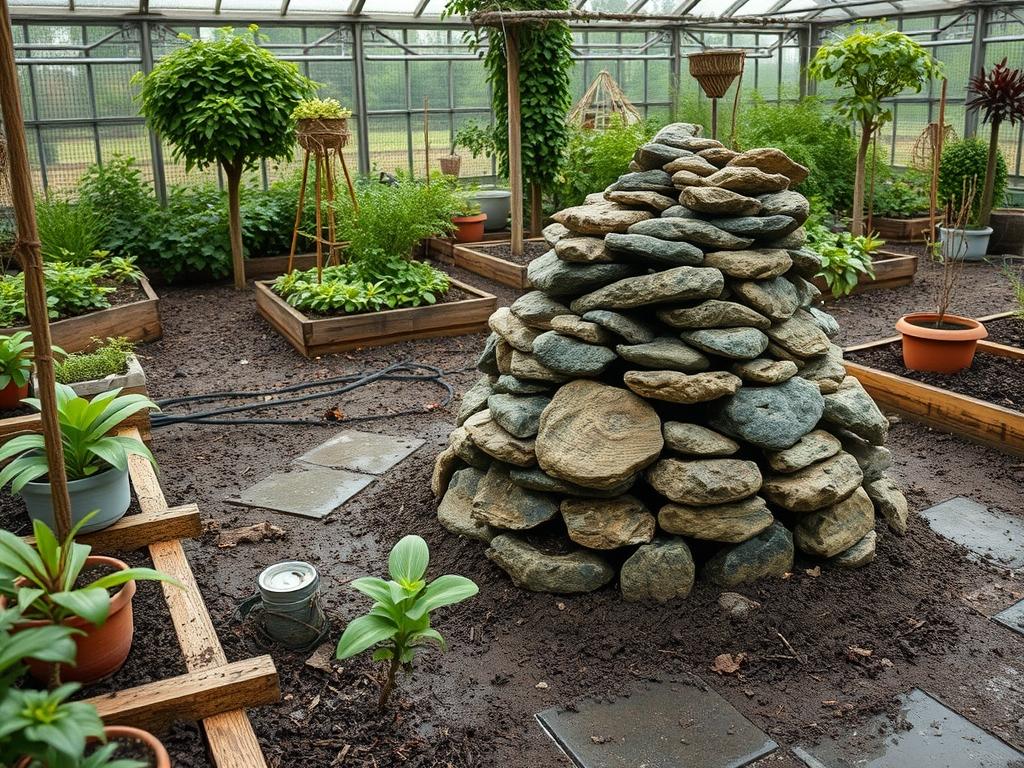
Integrating wildlife habitats into a sophisticated landscape design requires a delicate balance between intentional aesthetics and organic functionality. For many homeowners and property managers, the primary challenge lies in providing refuge for beneficial reptiles and amphibians without compromising the polished look of a curated garden. Dry stone cairn habitats offer a structural solution that enhances curb appeal while serving as a critical thermal battery for the local ecosystem. These structures, when built correctly from natural materials, manage micro-climates by absorbing solar energy during the day and radiating it slowly after sunset. This thermal regulation is essential for ectothermic species like lizards, while the deep, cool crevices of the interior provide the humidity and stable temperatures required by toads. When viewed through the lens of professional landscaping, a dry stone cairn is not merely a pile of rocks; it is a calculated feature that provides vertical interest, texture, and ecological resonance.
Landscape Design Principles
Successful cairn placement relies on the fundamental design principles of focal points and elevation layers. A well-placed cairn should lead the eye through the landscape, acting as a terminal point for a gravel walkway or a textural counterpoint to a lush, green lawn. In larger estates, multiple cairns of varying heights can create a sense of rhythm and sequence. Symmetry is rarely the goal here; instead, the architect should aim for asymmetrical balance. Positioning a larger cairn offset from a central axis, perhaps paired with a low retaining wall, creates a more naturalistic and inviting environment.
Elevation is equally important. By varying the height of the stone structures, you create different temperature zones. The higher stones catch the most sunlight, which lizards prefer for basking, whereas the stones at the base remain shadowed and cool for amphibians. Visual balance is achieved by anchoring the cairn with groundcover plants that soften the hard edges of the stone. Furthermore, irrigation planning must account for these structures; constant high-pressure spray can erode the foundation or over-saturate the interior voids, turning a potential toad hibernaculum into a stagnant puddle. A drip system located at the periphery is the preferred method for maintaining nearby vegetation without compromising the dry integrity of the habitat core.
Plant and Material Selection
The longevity of a dry stone cairn depends on the quality of the materials and the compatibility of the surrounding flora. Using local fieldstone or quarried limestone ensures the structure blends seamlessly with the regional geology. The following table outlines the best plant species to integrate around the base and within the lower crevices of your cairn to provide cover and attract the insects that lizards and toads feed upon.
| Plant Type | Sun Exposure | Soil Needs | Water Demand | Growth Speed | Maintenance Level |
| :— | :— | :— | :— | :— | :— |
| Sedum reflexum | Full Sun | Well-drained | Low | Moderate | Low |
| Thymus praecox | Full Sun | Sandy/Gritty | Low | Fast | Low |
| Festuca glauca | Full Sun/Part Shade | Lean/Dry | Low | Moderate | Low |
| Sempervivum tectorum| Full Sun | Rocky/Poor | Very Low | Slow | Minimal |
| Polystichum munitum | Full Shade | Rich/Moist | Moderate | Moderate | Medium |
| Carex pensylvanica | Part Shade | Average | Moderate | Moderate | Low |
For the structural core, prioritize flat-faced stones with a thickness of at least 4 inches. Avoid using rounded river rocks as the primary building material, as they lack the friction necessary for a stable, dry-stack construction. Crushed granite or pea gravel serves as an excellent leveling base to prevent the structure from sinking into soft loam over time.
Implementation Strategy
The implementation of a dry stone cairn begins with site analysis and grading. You must identify a location that receives at least six hours of sunlight for the basking surfaces while ensuring the base stays relatively moist. Start by excavating a circular area to a depth of 6 inches. Fill this trench with compacted road base or 3/4 inch minus crushed rock to create a stable foundation. This step is crucial for preventing frost heave in colder climates.
Once the foundation is set, place your largest anchor stones around the perimeter of the base. These should be slightly tilted inward to create a “batter,” which is a structural slope that ensures the weight of the cairn pushes toward the center rather than bowing outward. As you stack the subsequent layers, intentionally leave “habitat voids” approximately 2 inches wide and 6 inches deep. These gaps are the primary entrance points for lizards. For toads, ensure the lowest layer of stones has a few larger openings at ground level where the soil meets the rock.
As the cairn rises, use shims or small stone chips to stabilize any wobbling layers. Do not use mortar or adhesive; the beauty of a dry stone habitat lies in its permeability and the ability of the stones to shift slightly with the earth. Around the exterior, apply a 2-inch layer of organic mulch or arborist chips, but keep it clear of the immediate stone base to avoid trapping excessive moisture against the foundation stones. Finally, integrate native perennials around the north side of the cairn to provide a shaded “cooling zone” for move-between micro-climates.
Common Landscaping Failures
One of the most frequent failures in habitat landscaping is the lack of proper drainage. If the cairn is built in a low-lying area of the yard without a proper French drain or sub-base, the interior voids will fill with silt and water during heavy rains. This destroys the habitat and can cause the stone stack to collapse as the soil underneath becomes liquid. Another common mistake is improper spacing. If the gaps between stones are too narrow, they provide no refuge; if they are too wide, they allow larger predators like raccoons or domestic cats to reach the inhabitants.
Soil compaction is another silent killer of garden biodiversity. When heavy machinery is used near the cairn site during construction, the surrounding earth becomes impenetrable to toads that need to burrow for the winter. Furthermore, the use of chemical fertilizers and pesticides near the habitat will deter the very creatures you are trying to attract. Amphibians breathe through their skin and are highly sensitive to toxins. Lastly, over-crowding the cairn with fast-growing, invasive vines can quickly choke out the basking spots, rendering the stone island useless for thermal regulation.
Seasonal Maintenance
Maintenance begins in the spring with a structural inspection. After the final thaw, check for any stones that have shifted significantly and re-seat them using a rubber mallet or leveling bar. Clear out any dead leaves or excessive debris that may have clogged the habitat entrances during the winter. This ensures that as lizards emerge from dormancy, they have clear access to the sun-warmed surfaces.
During the summer, the focus shifts to moisture management. While the stones should remain dry, the surrounding vegetation may require supplemental water. Use a soaker hose buried beneath the mulch to deliver water directly to the roots of the ornamental grasses and succulents without wetting the cairn itself. In autumn, leave a small amount of leaf litter around the base of the cairn. This provides an extra layer of insulation for toads as they prepare for hibernation. Avoid any major restructuring during the late fall, as you may disturb animals that have already settled in for the season. Winter maintenance is minimal; simply ensure that heavy snow piles from shoveling walkways are not dumped directly onto the cairn, as the weight can exceed the structural limits of a dry-stack design.
Professional Landscaping FAQ
How many stones do I need for a standard habitat?
For a cairn measuring 3 feet in diameter and 2 feet in height, you will typically need approximately 1,500 pounds of stone. This allows for a solid core and sufficient exterior surface area for basking and crevices.
What is the best stone type for thermal mass?
Darker, denser stones like basalt or dark granite are superior for thermal absorption. They hold heat longer into the evening than lighter stones like limestone or sandstone, providing a more effective “heat pad” for nocturnal toads.
Can I build a cairn on a slope?
Yes, but you must first create a level terrace. Use a mini-retaining wall to cut into the slope and provide a flat, compacted base. Building directly on a grade will lead to structural failure and erosion.
Do these structures attract snakes?
While cairns can attract snakes, they are usually small, non-venomous species like garter snakes that thrive on the same pests as lizards. In most residential landscapes, this represents a healthy, balanced ecosystem rather than a hazard.
How do I prevent the cairn from becoming a weed patch?
Use a heavy-duty landscape fabric only under the very bottom layer of the gravel base to prevent deep-rooted weeds. For the crevices, tight stone fitment and the deliberate planting of creeping thyme will out-compete opportunistic weeds.