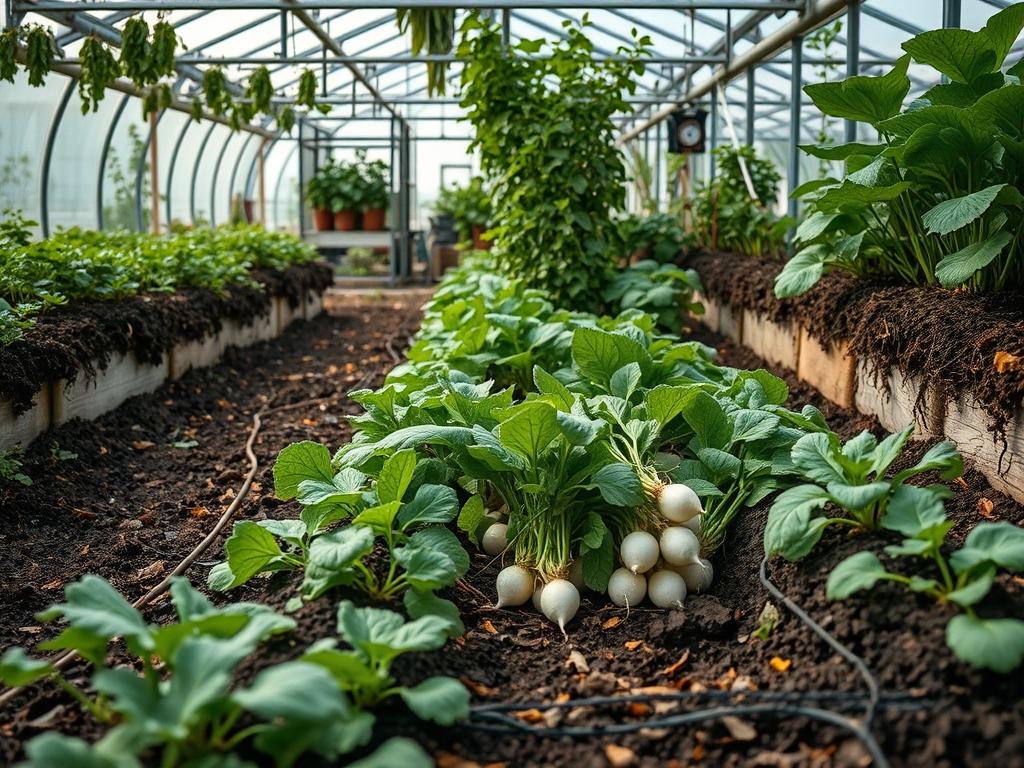
Integrating the lifecycle of a vegetable crop into a permanent landscape requires a shift in perspective. For most homeowners, the garden is a static visual display, yet for the landscape architect, the garden is a living system characterized by birth, growth, and eventually, the collection of genetic material. Saving Radish Seeds is a process that extends the utility of your garden well beyond the kitchen table. It transforms a simple edible border into a nursery for future seasons. From a design standpoint, this requires planning for the radishes to remain in the ground long after their typical harvest window. While a standard radish is harvested in 30 days, a radish grown for seed will remain in the soil for several months, eventually producing tall, airy stalks covered in delicate blossoms. This transition can impact the curb appeal of a residential property if not managed with structural intent. If you plan to save seeds, you must account for the plant’s increased height, often reaching 3 feet or more, which may disrupt the visual hierarchy of a low-profile garden bed.
The challenge in high-end landscaping is to make the transition from root crop to seed producer appear intentional. We must consider the climate of the site, particularly the humidity levels during the pod-drying phase. In damp environments, the pods may rot before they reach maturity if the landscape lacks proper airflow. Consequently, the placement of these crops should prioritize locations with excellent drainage and southern exposure to maximize solar gain. This ensures that the pods dry to a crisp consistency while still on the stalk. Integrating these biological requirements into a functional outdoor space means balancing the raw, sometimes unruly appearance of a bolting plant with the clean lines of hardscaping and formal elements. By treating the seed-saving process as a purposeful phase of the landscape design, we can achieve both ecological sustainability and aesthetic sophistication.
Landscape Design Principles
When planning a garden intended for seed production, symmetry and visual balance are paramount. A bolting radish can look like a weed to the untrained eye, so bordering these areas with sharp stone Edging or a low-profile Retaining Wall provides an architectural “frame” that signals intentionality. Use symmetry to guide the eye; if you have a row of radishes going to seed on the left side of a walkway, mirror that height with structural perennials or ornamental grasses on the right. This creates a cohesive focal point rather than a lopsided or neglected appearance.
Elevation layers are equally critical in a seed-saving landscape. Because radishes in their flowering stage reach heights of 24 inches to 40 inches, they should be positioned in the “mid-ground” of a planting scheme. Placing them behind low-growing herbs like Creeping Thyme and in front of taller shrubs like Boxwood ensures that the garden retains a tiered structure. This layering prevents the tall, spindly stalks from looking isolated. Furthermore, irrigation planning must be adjusted as the seeds mature. While young radishes require consistent moisture to prevent pithy roots, maturing seed pods require a drier environment. Integrating a zoned Drip Irrigation system allows the designer to reduce water delivery to specific sections while maintaining the rest of the landscape. This prevents the fungal issues that often plague seed crops in traditionally irrigated zones.
Plant and Material Selection
The following table outlines the requirements for common radish varieties and the materials needed to manage their lifecycle within a professional landscape.
| Plant Type | Sun Exposure | Soil Needs | Water Demand | Growth Speed | Maintenance Level |
| :— | :— | :— | :— | :— | :— |
| Daikon Radish | Full Sun | Deep Sandy Loam | Moderate | Medium | Low |
| Cherry Belle | Full Sun | Well-Drained | High Initial | Fast | Moderate |
| French Breakfast | Partial Sun | Rich Compost | Moderate | Fast | Low |
| Bypass Pruners | N/A | N/A | N/A | N/A | High Quality |
| Silica Gel | N/A | N/A | N/A | N/A | Dry Storage |
| Mason Jars | N/A | N/A | N/A | N/A | Airtight |
Choosing the right species is vital for seed purity. Different varieties of Raphanus sativus will cross-pollinate, so a landscape architect must ensure that only one variety is flowering at a time, or that physical distance—often up to half a mile for true purity—is maintained. For the home landscape, a physical barrier like a Fine Mesh Netting can be used during the flowering stage to prevent cross-contamination if multiple varieties are desired in a small space. Material selection for storage is just as important; using high-quality Glass Vials or Mylar Bags ensures that the genetic potential you have harvested is preserved for the following year.
Implementation Strategy
The successful implementation of a seed-saving garden begins with site grading and soil preparation. Ensure the area has a 2 percent slope to facilitate drainage, as standing water will compromise the health of the radish roots during the long maturation period. Start by amending the soil with 2 inches of organic Compost to provide the nutrients necessary for the intensive process of seed production. When laying out the garden, space the individual plants at least 12 inches apart. This is a significant departure from the standard 3 inch spacing for root harvest, but the extra room is necessary to accommodate the expansive branch structure of a flowering radish.
Once the plants have flowered and the pods begin to form, install Bamboo Stakes to support the weight of the seed heads. Use Twine to gently tie the stalks; this keeps the garden looking tidy and prevents the plants from falling onto walkways or smothering smaller neighbors. As the pods turn from green to a dry, brittle brown, reduce irrigation to the minimum level required for the surrounding plants. The goal is to let the plant die back naturally in the landscape. When the pods feel like parchment and the seeds inside are hard, use Bypass Pruners to cut the entire stalk. Transport these stalks to a covered, well-ventilated area—such as a Potting Shed or a covered screen porch—to finish drying for 7 days to 14 days. Finally, thresh the seeds by crushing the pods and winnowing away the lighter chaff using a Box Fan or a gentle breeze.
Common Landscaping Failures
The most frequent mistake in seed-saving landscapes is improper drainage. If the soil remains saturated, the radish root can rot before the seed pods ever reach maturity. This is why we emphasize the use of Raised Beds or Mounds in sites with heavy clay soil. Another failure is root overcrowding. When plants are too close together, airflow is restricted, leading to powdery mildew which can weaken the plant and reduce seed viability. Landscape designers must resist the urge to over-plant for immediate lushness, instead respecting the final footprint of the mature plant.
Irrigation inefficiencies also play a role. Using overhead Sprinklers during the flowering and pod-browning stages can knock off blossoms or introduce moisture into the drying pods, leading to premature sprouting or mold. Soil compaction is the final silent killer; heavy foot traffic near the root zone can squeeze out oxygen, preventing the plant from finishing its lifecycle. Designate clear Flagstone Walkways to keep maintenance traffic away from the delicate root systems.
Seasonal Maintenance
Landscape management for seed saving is a year-round commitment. In the spring, focus on soil preparation and the initial planting. This is the time to check your Irrigation Controller and ensure that the zones are properly calibrated for the varying needs of the crop. As summer arrives, the focus shifts to support and pest management. Monitor for aphids, which are attracted to the succulent flowering stalks; a sharp blast of water or an application of Neem Oil is usually sufficient to keep populations in check without harming pollinators.
In autumn, the harvest and drying process takes center stage. Once the seeds are safely stored, remove the spent stalks and compost them, provided they are free of disease. This is also the ideal time to apply a 3 inch layer of Hardwood Mulch to the garden beds to protect the soil over winter. During the winter months, your role as an outdoor consultant involves analyzing the success of the previous season. Review your notes on plant height, bloom time, and seed yield to adjust the landscape layout for the following spring. This reflective practice ensures that the garden continues to evolve and improve.
Professional Landscaping FAQ
How long do radish seeds stay viable?
When stored in a cool, dark, and dry environment using Silica Gel packs, radish seeds can remain viable for 5 years. Always perform a germination test before the spring planting season to ensure the seeds are still vigorous.
Can I save seeds from hybrid radishes?
It is not recommended. Hybrid varieties will not grow “true to type,” meaning the next generation may lack the flavor or form of the parent. Always choose Heirloom or Open-Pollinated varieties for a predictable and successful seed-saving landscape.
How do I prevent birds from eating the seeds?
Birds are often attracted to maturing pods. To protect your crop, install Bird Netting over the stalks once the pods have formed. This allows for airflow and sunlight while preventing the local wildlife from raiding your future harvest.
Do I need a large space to save seeds?
No, even a small suburban plot can accommodate seed saving. By using Vertical Stakes and careful pruning, you can manage the plants’ footprint. Focus on one variety per season to maximize the efficiency of a limited garden area.
What is the best way to store harvested seeds?
Place thoroughly dried seeds in an airtight container like a Glass Jar. Store the container in a location where the temperature remains constant, such as a basement or a dedicated Cooler. Avoid areas with high temperature fluctuations.