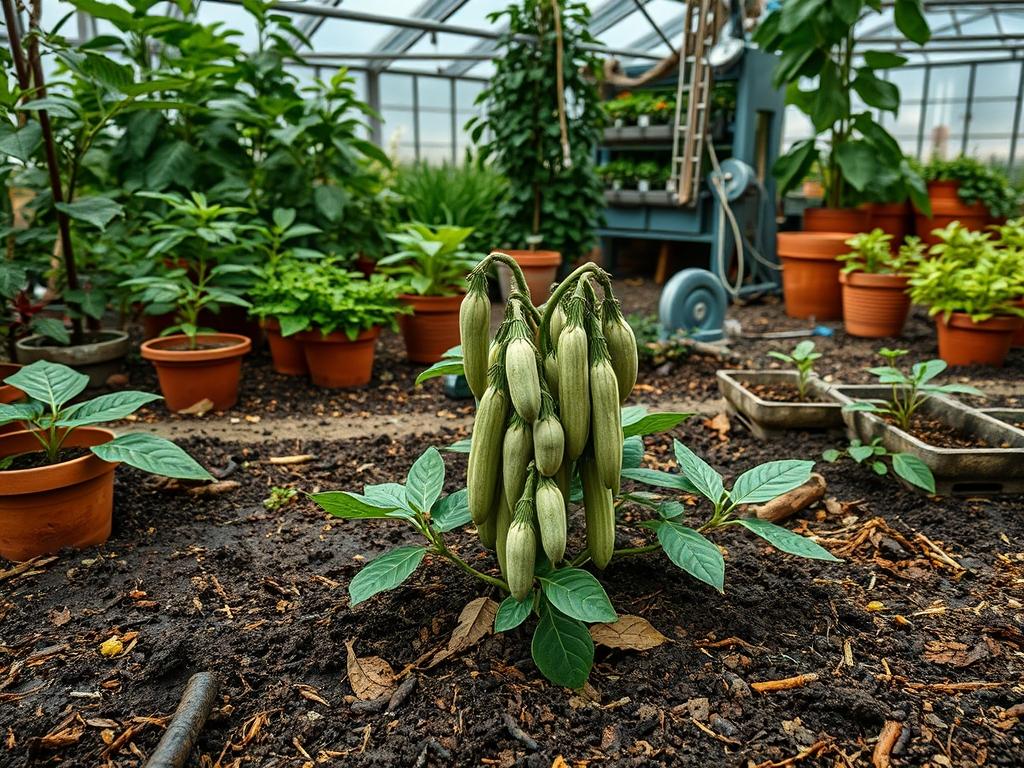
Integrating edible elements into a sophisticated residential landscape requires a balance between aesthetic appeal and functional harvest cycles. When we design for clients who value sustainability, legumes often serve a dual purpose by providing height through vertical trellising and fixing nitrogen in the soil. However, the true mark of a successful edible landscape is the ability to manage the full lifecycle of the plant, including the delicate process of seed preservation. Saving bean seed pods is not merely a gardening task; it is an essential component of long term landscape management and genetic preservation. Achieving the perfect harvest requires a keen eye for desiccation levels and an understanding of how local microclimates affect the drying process. If the pods are collected too early, the seeds will remain immature and prone to mold. If left too long in a damp environment, they may rot or sprout prematurely on the vine. To maintain the visual integrity of your garden beds while ensuring a viable future harvest, you must learn to recognize the physical transitions of the Phaseolus vulgaris and its relatives as they move from ornamental assets to dormant biological packets.
The challenge for many homeowners is the transition period where the plant begins to lose its lush, green appearance. In a high end landscape, a dying plant can often look like a failure in irrigation or nutrition. From a consultant perspective, we view this as a necessary phase of maturity. To mitigate the impact on curb appeal, we often intersperse these legumes with late blooming perennials or ornamental grasses that can mask the browning foliage of the bean plants. The identification of dryness begins with a tactile assessment. You are looking for a parchment like texture. The pods should feel brittle and thin, lacking any of the fleshy moisture found during the culinary harvest stage. This transformation usually occurs several weeks after the beans have passed their peak eating quality. By timing this correctly, you ensure that the landscape remains functional without sacrificing the future health of your garden.
Landscape Design Principles
Successful garden planning relies on the thoughtful application of symmetry and focal points to guide the eye through the outdoor space. In a project where Saving Bean Seed Pods is a priority, we use vertical structures like Obelisks or Custom Cedar Trellises to act as anchors. These structures provide a formal framework that contains the unruly growth of climbing varieties. By establishing these focal points, the eventual browning and drying of the pods appear secondary to the architectural strength of the trellis. We also consider elevation layers; placing beans in the background or mid ground allows for lower, more vibrant plants to maintain the visual interest of the foreground throughout the late summer heat.
Irrigation planning is another critical design principle that directly impacts the seed saving process. While standard landscape ornaments might require consistent moisture, beans intended for seed saving need a specific drying period. We often design zoned irrigation systems that allow the homeowner to reduce water delivery to specific sections once the pods have reached full size. This controlled stress accelerates the drying process and prevents the development of fungal issues. Walkways should be planned to allow easy access for monitoring. We recommend a minimum width of 36 inches for main garden paths to ensure that the gardener can inspect the pods closely without disturbing the soil or damaging neighboring plants. This accessibility is vital for identifying the precise moment of “crispiness” required for a successful seed harvest.
Visual balance is maintained by grouping plants by their lifecycle. If a specific bed is dedicated to seed saving, we balance it with evergreen shrubs like Boxwood or Yew to provide structure when the annual vines eventually wither. This ensures that the landscape remains beautiful even as it performs its utilitarian role. The goal is a seamless blend of outdoor living functionality and agricultural productivity.
Plant and Material Selection
Selecting the right cultivars and hardscape materials is fundamental to the longevity of the garden design. The following table provides a guide for integrating seed-bearing legumes into a professional landscape layout.
| Plant Type | Sun Exposure | Soil Needs | Water Demand | Growth Speed | Maintenance Level |
| :— | :— | :— | :— | :— | :— |
| Pole Beans | Full Sun | Loamy, Well-Drained | Moderate to Low | Rapid | High (Trellising) |
| Runner Beans | Full Sun/Partial | Rich Organic | High | Average | Medium |
| Bush Beans | Full Sun | Sandy/Loam | Low | Fast | Low |
| Soybeans | Full Sun | Balanced | Low | Moderate | Low |
| Lentils | Full Sun | Light, Dry | Very Low | Slow | Low |
For the infrastructure, we recommend using Powder-Coated Steel or Pressure-Treated Timber for support structures. These materials withstand the weight of heavy vines and the moisture of the early growing season. For the ground cover around these beds, a 3-inch layer of Cedar Mulch is effective for moisture retention during the growth phase, while also providing a clean aesthetic that complements the earthy tones of drying seed pods in the fall phase.
Implementation Strategy
Implementing a landscape that prioritizes seed saving requires a phased approach. First, we address the grading of the site. Proper drainage is the foundation of plant health; stagnant water at the base of your legumes will result in weak root systems and poor seed quality. We ensure a 2 percent slope away from the base of garden structures to prevent pooling. Once the grade is established, we suggest installing Galvanized Steel Edging to create a sharp, professional finish that prevents grass from encroaching on the bean beds.
The planting layout should follow the “rule of threes” to create a natural yet organized aesthetic. When the plants reach maturity and the pods begin to swell, monitoring for dryness becomes a daily ritual. To identify the ideal state for saving bean seed pods, look for three specific indicators. First, the color must shift from green or purple to a dull tan or straw hue. Second, the pod must be stiff. If you can bend the pod without it snapping or cracking, it still contains too much moisture. Third, the “rattle test” is the most reliable auditory cue. When you shake a dry pod, the seeds should strike the inner walls with a hard, percussive sound.
If the weather forecast predicts heavy rain when the pods are nearly dry, it is often best to pull the entire plant. Hang the vines upside down in a sheltered area like a garage or a garden shed with high airflow. This technique, often used in professional heritage gardens, allows the last of the plant’s energy to retreat into the seeds while protecting them from moisture-induced rot. Once the pods are brittle enough to shatter under light thumb pressure, the seeds can be extracted and stored in Glass Mason Jars or Breathable Canvas Bags.
Common Landscaping Failures
One of the most frequent mistakes in edible landscaping is the overcrowding of plants. While a dense wall of green looks impressive in June, it creates an environment of poor air circulation by August. This lack of airflow traps humidity around the maturing pods, leading to powdery mildew and bean rust. We recommend a minimum spacing of 4 inches between plants and 30 inches between rows to ensure that every pod has the opportunity to dry naturally on the vine.
Another failure is the misuse of mulch. While mulch is essential for weed suppression, piling it too high against the stems of the plants can create a “wicking” effect that keeps the base of the plant too damp. This is particularly detrimental during the drying phase. Furthermore, failing to account for soil compaction can stunt the growth of the beans, leading to small, unviable seeds. We suggest using a Broadfork to aerate the soil without overturning the delicate microbiome, ensuring that the roots have easy access to oxygen and nutrients.
Irrigation errors are also common. Many homeowners rely on overhead sprinklers, which saturate the foliage and the drying pods. For a landscape designed with seed saving in mind, a Drip Irrigation System is the professional standard. By delivering water directly to the soil surface, you keep the pods dry and reduce the risk of seed localized rot.
Seasonal Maintenance
Landscape management is a year round commitment that changes with the sun’s path. In the spring, the focus is on soil preparation and installation. We recommend adding a thin layer of Compost to the beds to provide a slow release of nutrients. Ensure that all trellises are anchored deeply to withstand summer storms. As we move into summer, the priority shifts to irrigation management and pest control. Monitoring for the Mexican Bean Beetle is essential, as their feeding can damage the pods and compromise the seeds inside.
Autumn is the primary season for harvest and seed saving. This is when the visual identification of dryness is most critical. Once the seeds are harvested, the remaining plant matter should be cut at the soil line rather than pulled. Leaving the roots in the ground allows the nitrogen nodules to decompose naturally, enriching the soil for next year’s design. In the winter, the landscape architect focuses on hardscape maintenance. Clean your Pruning Shears and Hand Trowels with a solution of 10 percent bleach to prevent the carryover of pathogens. It is also the time to plan the layout for the following year, ensuring a proper crop rotation to maintain soil health.
Professional Landscaping FAQ
How do I know if the pods are dry enough?
The pods should be straw colored and brittle to the touch. When shaken, you should hear the seeds rattling inside. If the pod bends rather than snaps, it requires more time to dry before harvest and storage.
Can I save seeds from store bought beans?
It is possible, but not recommended for professional landscaping. Many commercial beans are hybrids that will not grow true to the parent plant. Always start with Heirloom Varieties to ensure consistent aesthetic and growth characteristics in your garden layout.
What is the best way to store saved seeds?
Store cleaned, dry seeds in an airtight Glass Jar in a cool, dark, and dry location. Adding a small Silica Gel Packet can help absorb any residual moisture, ensuring the seeds remain viable for at least three to five years.
Does rainfall ruin the seed saving process?
Occasional rain is fine if the pods have time to dry out afterward. However, prolonged dampness lead to “sprouting in the pod” or mold. If a wet week is forecasted, harvest the vines and dry them indoors to protect your seeds.
How does seed saving affect my garden’s appearance?
While drying pods turn brown, they add a rustic, autumnal texture to the landscape. To maintain curb appeal, plant them behind late season perennials that remain green, effectively hiding the desiccation process while allowing the seeds to mature fully.