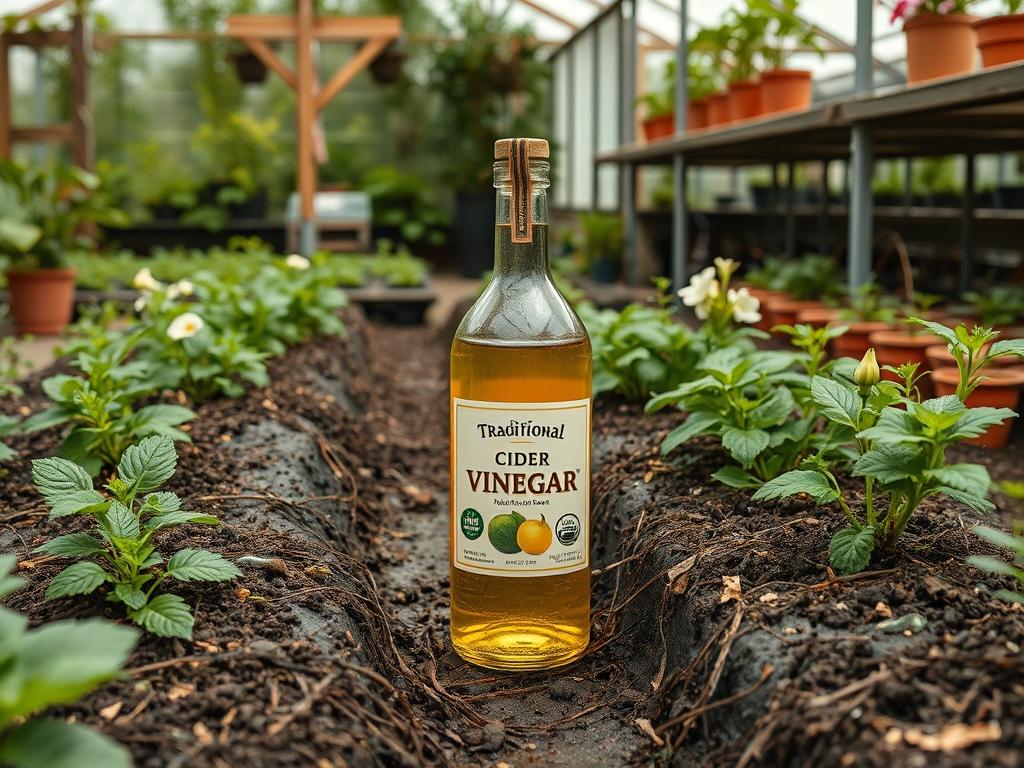
Managing a high-end landscape requires a delicate balance between aesthetic intent and ecological sensitivity. When we approach a residential site, our goal is to enhance the natural topography while ensuring the long-term health of the soil and plant life. Professional landscaping is not merely about planting flowers; it is about the engineering of outdoor space to provide functionality, curb appeal, and environmental resilience. A critical component of this management involves the use of organic soil amendments and non-toxic maintenance tools. Among the most effective but often overlooked resources is Traditional Cider Vinegar. This natural byproduct serves as a cornerstone for sustainable land management, particularly when dealing with stubborn weeds in permeable pavers or adjusting the acidity of soil for specific ornamental species. By integrating organic solutions into a structured design plan, we create a landscape that is both luxurious and responsible.
Landscape Design Principles
Successful landscape architecture begins with a clear understanding of spatial hierarchies and visual balance. We look at the site through the lens of symmetry and focal points. A focal point might be a mature Quercus alba or a custom-built stone fountain, purposefully placed to draw the eye and anchor the surrounding plant beds. Symmetry provides a sense of formality and order, often achieved through mirrored plantings along a primary walkway or entrance. However, we also employ asymmetrical balance in more naturalistic designs, where the weight of a large boulders on one side is counterbalanced by a dense cluster of ornamental grasses on the other.
Elevation layers are equally vital for creating depth. In a professional layout, we rarely plant on a flat plane. Instead, we use retaining walls or raised garden beds to create vertical interest. This layering allows us to place low-lying groundcovers in the foreground, mid-sized shrubs in the center, and tall canopy trees in the background. Irrigation planning must happen concurrently with these design decisions. We designate specific hydro-zones, grouping plants with similar water needs together to ensure that a drip irrigation system can deliver precise hydration. Within this framework, Traditional Cider Vinegar plays a role in site preparation and maintenance. It can be used as a pre-treatment for crushed granite paths to discourage early weed germination before the primary planting phase begins.
Plant and Material Selection
The following table outlines high-performance selections for a balanced landscape, noting the specific requirements for each category.
| Plant Type | Sun Exposure | Soil Needs | Water Demand | Growth Speed | Maintenance Level |
| :— | :— | :— | :— | :— | :— |
| Buxus sempervirens | Full to Partial | Well-drained | Moderate | Slow | Medium |
| Lavandula angustifolia | Full Sun | Sandy/Lean | Low | Medium | High |
| Hydrangea macrophylla | Partial Shade | Acidic/Rich | High | Fast | Medium |
| Pachysandra terminalis | Full Shade | Loamy | Moderate | Medium | Low |
| Taxus baccata | Full Sun to Shade | Versatile | Low | Slow | Medium |
| Acer palmatum | Partial Sun | Slightly Acidic | Moderate | Slow | High |
To support acid-loving plants like the Hydrangea macrophylla, a diluted solution of Traditional Cider Vinegar can be applied to the soil. Mixing 1 cup of vinegar with 1 gallon of water helps lower the soil pH temporarily, which enhances the vibrancy of the blooms. When selecting materials for hardscaping, we prioritize natural flagstone, river rock, and kiln-fired pavers. These materials provide the structural integrity needed for high-traffic areas while blending seamlessly with the organic elements of the garden.
Implementation Strategy
Implementing a landscape design requires a systematic approach, beginning with grading and drainage. Before a single plant is placed, we must ensure that the site is graded at a 2 percent slope away from the home foundation. This prevents water from pooling and protects the structural integrity of the residence. We often install French drains or perforated pipes buried in ¾-inch clean stone to manage heavy runoff. Once the drainage is secured, we mark out the walkways and retaining walls using landscape marking paint and surveyor stakes.
The actual planting process begins with soil amendment. We integrate 3 inches of organic compost into the top 6 inches of native soil using a power tiller or garden fork. When installing larger specimens, we dig a hole twice the width of the root ball but no deeper than the root flare. This ensures the roots can spread easily into the loosened soil without the tree sinking too deep and suffocating. After the plants are in the ground, we apply a 3-inch layer of hardwood mulch to retain moisture and suppress weeds. For maintaining these pristine lines in gravel paths, we utilize a professional-strength version of Traditional Cider Vinegar. By fermenting apple scraps with sugar and filtered water for 4 to 6 weeks, you produce a natural acetic acid solution. This solution, when applied with a pump sprayer on a sunny day, effectively desiccates the foliage of opportunistic weeds without introducing harsh chemicals into the local ecosystem.
Common Landscaping Failures
The most frequent failures in residential landscaping occur beneath the surface. Soil compaction is a primary culprit; when heavy machinery is used during construction without subsequent aeration, the soil becomes like concrete, preventing water and oxygen from reaching the roots. We use a core aerator to mitigate this issue. Another common error is improper spacing. It is tempting to plant closely for immediate impact, but this leads to root overcrowding and poor air circulation within 3 to 5 years. This lack of airflow often results in fungal infections and stunted growth.
Irrigation inefficiencies also plague many designs. Over-watering is just as damaging as under-watering, as it leads to root rot and nutrient leaching. We recommend smart irrigation controllers that use local weather data to adjust watering schedules. Furthermore, many homeowners fail to account for the mature size of trees, planting them too close to utility lines or roof eaves. This necessitates invasive pruning later in the tree’s life, which can ruin its natural form. Finally, a lack of regular maintenance for hardscaped areas leads to the accumulation of organic matter in the cracks. If left untreated, this becomes a seedbed for weeds. Using a stiff-bristled broom and a targeted application of Traditional Cider Vinegar can keep these areas clean without the need for synthetic herbicides.
Seasonal Maintenance
Landscape management is a year-round commitment. In the spring, the focus is on rejuvenation. We remove the winter mulch, prune back perennial grasses, and apply a slow-release fertilizer. This is also the time to test the soil pH and use a Traditional Cider Vinegar drench if the soil has become too alkaline for your specialized garden beds. Summer maintenance centers on hydration and deadheading. We monitor the drip lines and ensure that the mulch is still thick enough to protect the roots from the midday sun.
As autumn approaches, we transition to cleanup and protection. We rake leaves to prevent them from smothering the turfgrass and perform a final weeding of the stone paths. Applying a light coat of Traditional Cider Vinegar to the edges of garden beds can help prevent winter-hardy weeds from establishing themselves. In the winter, the priority is protection from the elements. We wrap sensitive shrubs like Buxus in burlap and avoid using heavy salts on concrete walkways, as the salt runoff can damage the surrounding soil chemistry. Instead, we use sand for traction and reserve our organic vinegar solutions for cleaning garden tools to prevent the spread of pathogens during the dormant season.
Professional Landscaping FAQ
How can I naturally lower my soil pH?
Applying a diluted solution of Traditional Cider Vinegar is a quick method. Mix 1 tablespoon per gallon of water and apply it to the base of acid-loving plants once a month to maintain the desired acidity levels without harsh chemicals.
What is the best way to prevent weeds in gravel?
Consistency is key. Use a high-grade weed barrier during installation. For maintenance, spray full-strength Traditional Cider Vinegar on a hot, calm day. The acetic acid will burn the weeds down to the root through solarization and desiccation.
How deep should my mulch layer be?
A standard depth of 2 to 3 inches is ideal for most gardens. Avoid piling mulch against the trunks of trees, often called volcano mulching, as this holds moisture against the bark and encourages rot and pest infestation.
Why are my plants turning yellow?
This is often chlorosis, caused by a lack of iron or improper pH. If the soil is too alkaline, the plant cannot absorb nutrients. Testing the soil and using a vinegar-based soil drench can help unlock those essential minerals.
When is the best time to prune shrubs?
Most flowering shrubs should be pruned immediately after their bloom cycle ends. For non-flowering evergreens, late winter or early spring is best to encourage new growth. Always use sharpened bypass shears for clean, healthy cuts.