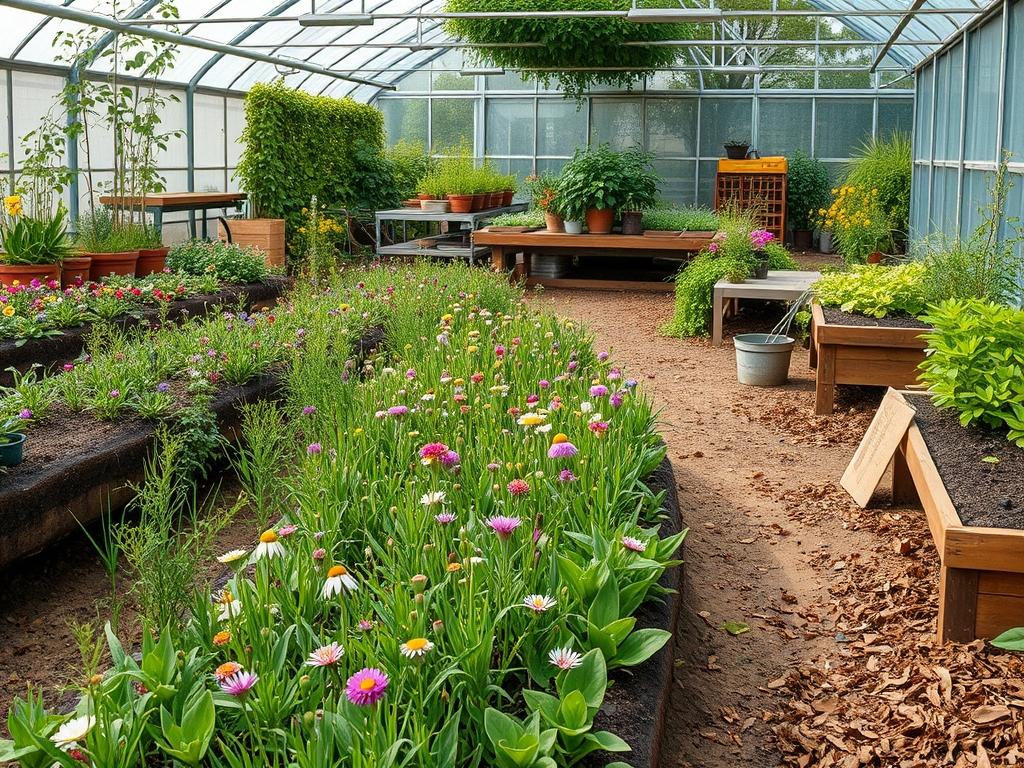
Establishing a successful landscape based on native flora requires a fundamental shift in traditional horticultural perspective. While a standard turf lawn demands constant intervention to remain static, Native Wildflower Meadows are dynamic systems that thrive on minimal but precise management. The primary challenge for most property owners lies in the initial transition period, where the landscape may appear untidier than a manicured lawn before it reaches its full ecological potential. From a design standpoint, these meadows offer unparalleled curb appeal by introducing movement, texture, and a changing color palette that reflects the local heritage of the land. They function as high-performance outdoor environments that mitigate stormwater runoff, reduce the heat island effect, and provide critical habitat for pollinators. When integrated correctly, a meadow becomes a functional asset that increases property value while significantly lowering long-term irrigation and chemical costs.
Landscape Design Principles
Integrating Native Wildflower Meadows into a professional landscape design requires a delicate balance between wild ecology and human intent. To prevent the meadow from looking neglected, architects often employ the “cues to care” strategy. This involves surrounding the wilder sections with formal elements such as a 3-foot wide mown buffer or a crisp stone edge. Symmetry is achieved by framing the meadow with structural shrubs or hardscape walkways that provide a clear visual boundary. Focal points are essential in wide-open meadow expanses. A well-placed large glacial erratic boulder or a weathered cedar pergola provides the eye with a place to rest, anchoring the airy texture of the grasses and forbs.
Elevation layers play a critical role in the visual impact of the meadow. By selecting species of varying heights, designers can create a sense of depth that mimics natural prairies. Short-stature plants should be placed near the edges of gravel paths, while taller species like Big Bluestem or Joe Pye Weed occupy the background or center. Irrigation planning for these areas differs from standard turf; the goal is to provide deep, infrequent watering during the first two years to encourage deep root penetration. Once established, these meadows generally survive on natural rainfall alone. Walkways should be designed to wind through the meadow rather than cutting straight across it, enhancing the immersive experience and allowing for close-up observation of the diverse plant life.
Plant and Material Selection
The success of a meadow depends entirely on selecting species that are genetically adapted to the specific microclimate of the site. The following table outlines a selection of robust species suitable for a variety of North American meadow projects.
| Plant Type | Sun Exposure | Soil Needs | Water Demand | Growth Speed | Maintenance Level |
| :— | :— | :— | :— | :— | :— |
| Purple Coneflower | Full Sun | Well-Drained | Low | Moderate | Low |
| Little Bluestem | Full Sun | Poor to Average | Very Low | Slow | Minimal |
| Butterfly Milkweed | Full Sun | Sandy/Dry | Low | Moderate | Low |
| Wild Bergamot | Full/Part Sun | Rich to Average | Moderate | Fast | Moderate |
| Switchgrass | Full Sun | Diverse/Moist | Moderate | Fast | Low |
| Black-Eyed Susan | Full/Part Sun | Average | Moderate | Fast | Low |
| Smooth Blue Aster | Full Sun | Well-Drained | Low | Moderate | Low |
Implementation Strategy
Planning a backyard meadow begins with rigorous site preparation. The most frequent cause of failure is the presence of a dormant weed seed bank in the soil. To combat this, the solarization method involves covering the area with 6-mil clear plastic for six to eight weeks during the peak of summer to kill existing vegetation and weed seeds. Alternatively, a series of shallow tillings can be used, though this often brings more weed seeds to the surface. Grading is the next step. Ensure the area has a 2 percent slope away from building foundations to prevent water pooling. If the site is prone to erosion, using a biodegradable coconut fiber blanket can stabilize the soil while the seeds germinate.
Edging is critical for a professional finish. Use 4-inch deep steel edging or Belgian block to create a permanent barrier between the meadow and adjacent lawn or mulch beds. When it comes to the actual seeding, a ratio of 50 percent grasses to 50 percent wildflowers is generally recommended for structural stability. Use a broadcast spreader to distribute the seed evenly, then utilize a land roller to ensure firm seed-to-soil contact. Unlike traditional garden beds, organic mulch should not be used in the heart of the meadow as it can inhibit the germination of small wildflower seeds. Instead, a light dusting of weed-free straw can protect the site during the first few weeks of growth.
Common Landscaping Failures
The most prevalent mistake in meadow management is the over-application of fertilizers. Native plants are adapted to lean soils; high nitrogen levels typically favor invasive weeds and cause the native species to grow too tall and flop over, a condition known as lodging. Drainage mistakes also rank highly among failures. If the soil remains saturated in a meadow designed for upland species, root rot will claim the primary plants, leaving the space open for opportunistic sedges or invasive reeds.
Improper spacing and root overcrowding occur when property owners overseed in an attempt to get “instant” results. This leads to a lack of air circulation, promoting fungal diseases such as powdery mildew. Soil compaction is another silent killer. Heavy machinery used during the construction of retaining walls or patios can crush the soil structure, making it impossible for delicate native roots to penetrate. Finally, irrigation inefficiencies, specifically light and frequent misting, encourage shallow root systems that cannot survive a summer drought.
Seasonal Maintenance
Maintenance for Native Wildflower Meadows is simplified but time-sensitive. In the Spring, the primary task is the annual mow. Use a flail mower set to a height of 6 inches. This removes the previous year’s dead biomass and allows sunlight to reach the new basal rosettes of the perennials. It is vital to perform this task before ground-nesting birds begin their cycles and before the new growth exceeds 4 inches in height.
During the Summer, maintenance shifts to “spot-weeding.” Identify and remove invasive species like Canada Thistle or Common Reed before they go to seed. If the meadow is in its first year, you may need to mow the entire area to a height of 8 inches once or twice to prevent annual weeds from shading out the slower-growing native perennials.
In the Autumn, the meadow should be left standing. The dried seed heads of Goldenfist and Ironweed provide essential winter forage for birds, while the hollow stems of grasses serve as overwintering sites for solitary bees. This “winter interest” is a hallmark of professional meadow design, providing a golden and bronze landscape even in the snow.
Winter management is largely observational. Use this time to plan for any supplemental plantings. If certain areas appear thin, frost seeding can be performed in late winter. By spreading seeds over the snow or frozen ground, the natural freeze-thaw cycles of the soil will pull the seeds into the earth at the perfect depth for spring germination.
Professional Landscaping FAQ
How long does it take for a meadow to look established?
A native meadow typically follows the “sleep, creep, leap” rule. The first year involves root establishment, the second year shows modest growth, and by the third year, the meadow reaches full maturity and begins to bloom vigorously.
Do I need to install a permanent irrigation system?
While not strictly necessary for established meadows, a temporary drip irrigation line is highly recommended for the first two growing seasons. This ensures survival during extreme heat waves while the native root systems are still developing their depth.
Will a wildflower meadow attract unwanted pests?
Meadows attract beneficial insects, birds, and predatory species that actually keep pest populations in check. By creating a balanced ecosystem, you reduce the likelihood of outbreaks of common garden pests like aphids or Japanese beetles.
Can I walk through my meadow without damaging it?
To protect the soil structure and delicate plants, it is best to design flagstone paths or mown grass trails for foot traffic. Frequent trampling in the same spot will compact the soil and kill the native vegetation.
How do I prevent my meadow from looking like a patch of weeds?
The key is “cues to care.” Maintain a sharp mown edge, incorporate identifiable focal points like sculptures or benches, and ensure that at least a few species with large, recognizable flowers are included in your seed mix.