
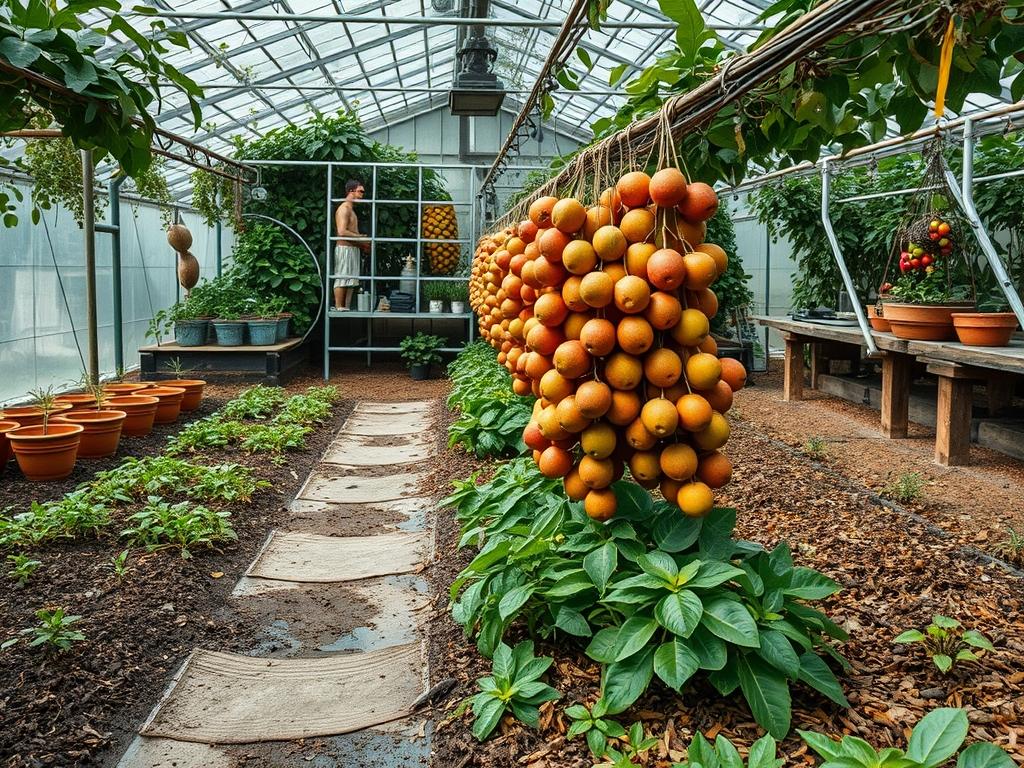
Integrating a functional harvest zone into a residential or commercial landscape requires a sophisticated understanding of microclimates, solar orientation, and airflow. Traditional fruit drying is an ancient practice that demands more than just a sunny spot; it requires a curated environment where temperature, wind, and humidity are managed through precise landscape engineering. When we design a garden with the goal of traditional sun drying, we are essentially building a natural dehydration machine. The challenge lies in ensuring that these functional elements do not detract from the curb appeal or the structural integrity of the outdoor living space. A poorly planned drying area can become a magnet for pests or a source of unwanted moisture, whereas a professionally designed orchard and drying terrace enhances the property value and provides a sustainable food source.
Landscape architecture for fruit production must prioritize the “solar window,” which is the unobstructed path of the sun during the hottest months of the year. We must consider how the surrounding topiary, hardscaping, and building structures cast shadows at different times of the day. A successful sun drying operation relies on a minimum of 8 to 10 hours of direct, intense sunlight. This means that the drying stations should be positioned on a south-facing slope or a high-elevation plateau within the garden. Furthermore, the ground plane beneath the drying racks should be treated with materials that have high thermal mass, such as flagstone or dark gravel, to radiate heat back up toward the fruit. This dual-directional heating speeds up the evaporation process, which is critical for food safety and flavor retention.
Landscape Design Principles
The first principle of a harvest-centric landscape is the Harvest Axis. This refers to the logical flow from the orchard area to the processing station and finally to the drying terrace. By creating a linear or circular path using natural stone pavers or stabilized decomposed granite, the designer ensures that the heavy labor of moving boxes of fruit is minimized. Symmetry plays a vital role here; balancing the weight of large fruit trees like Prunus armeniaca (Apricot) with structured architectural elements like retaining walls or trellises creates a sense of order. Focal points should be functional. A central drying pavilion, designed with cedar timbers and a transparent polycarbonate roof, can serve as both a sculptural element and a protected dehydrating zone during unexpected summer rains.
Elevation layers are equally important for managing airflow. In a flat landscape, air tends to stagnate, which increases the risk of mold during the drying process. By implementing tiered garden beds or raised terraces, we can encourage “canyon effects” where wind is funneled through the drying area. We often utilize retaining walls built from basalt or limestone to create these elevation changes. These walls do more than just hold back soil; they act as heat sinks that keep the ambient temperature higher during the evening hours. This transition helps prevent the fruit from re-absorbing moisture when the sun goes down.
Irrigation planning must be surgically precise in these environments. While the fruit trees require consistent moisture to produce high-quality yields, the drying area itself must remain bone dry. We recommend a subsurface drip irrigation system for the orchard to minimize evaporation and surface humidity. Avoid overhead sprinklers at all costs in the vicinity of the drying racks. The goal is to keep the local humidity as low as possible. By using smart controllers and soil moisture sensors, we can ensure the plants get exactly what they need without oversaturating the environment where the traditional fruit drying occurs.
Plant and Material Selection
| Plant Type | Sun Exposure | Soil Needs | Water Demand | Growth Speed | Maintenance Level |
| :— | :— | :— | :— | :— | :— |
| Apricot (Prunus armeniaca) | Full Sun | Well-drained loamy | Moderate | Fast | High (Pruning) |
| Mission Fig (Ficus carica) | Full Sun | Sandy/Loamy | Low | Moderate | Low |
| French Prune (Plum) | Full Sun | Heavy Clay/Loam | Moderate | Moderate | Moderate |
| Rosemary (Rosmarinus) | Full Sun | Poor/Well-drained | Very Low | Moderate | Low |
| Lavender (Lavandula) | Full Sun | Gritty/Alkaline | Low | Moderate | Moderate |
| Grapes (Vitis vinifera) | Full Sun | Deep/Well-drained | Moderate | Fast | High |
Implementation Strategy
Implementing a landscape for traditional fruit drying begins with rigorous site grading. The area designated for drying should have a 2 percent slope to ensure that no standing water accumulates after a rain event. Once the grade is established, we install the hardscape foundation. For the drying terrace, we recommend a base of 4 inches of compacted crushed stone followed by a finish layer of pea gravel or Mexican beach pebbles. These materials allow for rapid drainage and provide a clean, dust-free environment for the fruit racks. Edging is critical to keep these materials contained; use 1/4-inch steel edging or pressure-treated timber to create a sharp, professional finish.
The construction of the drying racks themselves should be integrated into the landscape’s aesthetic. We often design custom redwood frames fitted with food-grade stainless steel mesh. These racks can be mounted on rolling casters to allow the homeowner to follow the sun or moved into a shed if the weather turns. For a permanent solution, we build raised stone plinths that hold the trays at a height of 36 inches. This height is ergonomically ideal for the worker and keeps the fruit away from ground-level pests. To further deter insects, we plant a perimeter of Lavender and Rosemary, which act as natural repellents while adding a pleasant fragrance to the garden.
Common Landscaping Failures
One of the most frequent mistakes in harvest-focused landscaping is improper tree spacing, leading to root overcrowding and excessive shade. When trees compete for nutrients, the sugar content of the fruit drops, making it less suitable for drying. We suggest site-specific spacing, usually 15 to 20 feet for standard fruit trees, to ensure each canopy receives full light. Another common failure is the use of organic mulch, like wood chips, directly under or around drying stations. Organic mulch retains significant moisture and can harbor fungal spores. This increases the local humidity, which can lead to fruit spoilage.
Drainage mistakes also plague many traditional drying setups. If the landscape is not graded to move water away from the drying terrace, the “wicking effect” will pull moisture from the ground into the air around the fruit. Furthermore, soil compaction in the orchard area can lead to poor tree health. We use a broadfork or mechanical aerator to ensure the soil remains porous. Irrigation inefficiency, such as systems that spray water into the air, should be avoided. This not only wastes water but adds unwanted vapor to the microclimate, lengthening the drying time and compromising the texture of the finished product.
Seasonal Maintenance
Spring is the season for structural preparation. This is when we perform dormant pruning on the Apricot and Plum trees using sharpened bypass pruners. The goal is to open up the center of the tree to maximize sunlight penetration. We also check the drip irrigation lines for leaks and clear any debris from the drying terrace. Soil testing should be performed now; adding organic compost or bone meal ensures the trees have the nutrients required for a heavy fruit set.
Summer is the peak of the workload. Monitoring the soil moisture is vital as the fruit swells. As the harvest begins, the drying racks must be scrubbed with a solution of water and white vinegar to ensure a sterile surface. During the drying process, maintain the surrounding vegetation. Keep the grass mowed short to reduce insect hiding spots and ensure that the Lavender borders are not overgrown. If a heatwave occurs, the trees may require extra water, but the drying area should remain strictly dry.
Autumn focuses on the transition. Once the final fruits are dried and stored, the racks should be cleaned and moved to a dry storage area like a garden shed or garage. We apply a layer of winter mulch around the base of the trees, but we keep it 6 inches away from the trunk to prevent rot. This is also the time to plant new saplings while the soil is still warm. In winter, the primary task is protection. Protect the trunks of young trees from frost cracks using tree wrap or white latex paint. Inspect the hardscaping for any shifts caused by frost heave and plan any structural additions for the following season.
Professional Landscaping FAQ
What is the best material for drying racks?
Food-grade stainless steel mesh or untreated cedar frames are ideal. These materials resist weather while providing a safe, chemical-free surface for the fruit. Ensure the mesh is fine enough to prevent insects from reaching the harvest and allows for maximum airflow.
How does elevation affect sun drying?
Elevating your drying station by 3 to 5 feet keeps the fruit away from ground-level moisture and improves airflow. In a tiered landscape, place the drying terrace on the highest point to capture maximum heat and wind while avoiding cooler, dampened air.
Which fruit trees are best for drying?
Apricots, Figs, and Plum varieties are superior for traditional sun drying. These species have higher sugar content and meatier textures, which allow them to preserve better under solar radiation compared to high-water fruits like citrus or berries.
How do I manage humidity in the garden?
Use well-draining soil and avoid planting dense, water-heavy shrubs near the drying zone. Maintain a 10-foot clearance of gravel or stone around your racks to prevent transpiration from nearby foliage from increasing the local air moisture levels during the day.
Does mulch impact the drying process?
Yes, organic mulches like wood chips retain moisture and can harbor mold. For a drying landscape, use inorganic options like river rock or pea gravel around the drying racks to reflect heat and ensure a dry microclimate for the fruit.