Integrating native fruit varieties into a professional landscape project requires more than simply digging a hole and waiting for a harvest. Designers must balance aesthetic appeal with the biological realities of the regional climate. When you select a plant that evolved naturally in your specific zip code, you reduce the need for chemical interventions and intensive irrigation. The challenge for many homeowners is the transition from a traditional ornamental garden to an edible landscape that still maintains high curb appeal. A well executed plan ensures that your fruit bearing species provide structural beauty in the winter, lush greenery in the summer, and a functional yield in the autumn. This approach transforms a passive backyard into a productive ecosystem that supports local pollinators while increasing the market value of the property.
Successful fruit integration begins with an assessment of the outdoor environment. We look at the topography of the land, the existing drainage patterns, and the sun exposure across different times of the day. A native fruit tree such as the Pawpaw or the American Persimmon can serve as a majestic focal point, but its placement must be intentional. Using these species allows a designer to create a sense of place that reflects the local heritage of the land. In the modern landscape, we are moving away from the hidden orchard model. Instead, we are treating these plants as foundational elements of the perimeter and interior garden beds. This ensures the garden remains functional for entertaining while serving as a private source of fresh produce.
Landscape Design Principles
Professional garden planning relies on several core pillars to ensure the final result looks cohesive rather than cluttered. Symmetry is a powerful tool here. You might flank a stone walkway with matched Highbush Blueberries to create a formal entry. This provides a repeatable visual rhythm that guides the eye toward the home. Focal points are equally crucial. A single, large Serviceberry tree can anchor a corner of the yard; its white spring blooms and vibrant fall foliage provide four season interest that surpasses many non-native ornamental cultivars.
Elevation layers constitute the vertical architecture of the garden. In a professional design, we layer plants from the ground up. This begins with low-growing species like Lingonberries or Wild Strawberries as a living mulch. Above them, we place mid-sized shrubs such as Aronia or Elderberry. Finally, the canopy is filled with larger trees. This layering mimics a natural forest edge, which is the most productive zone in nature.
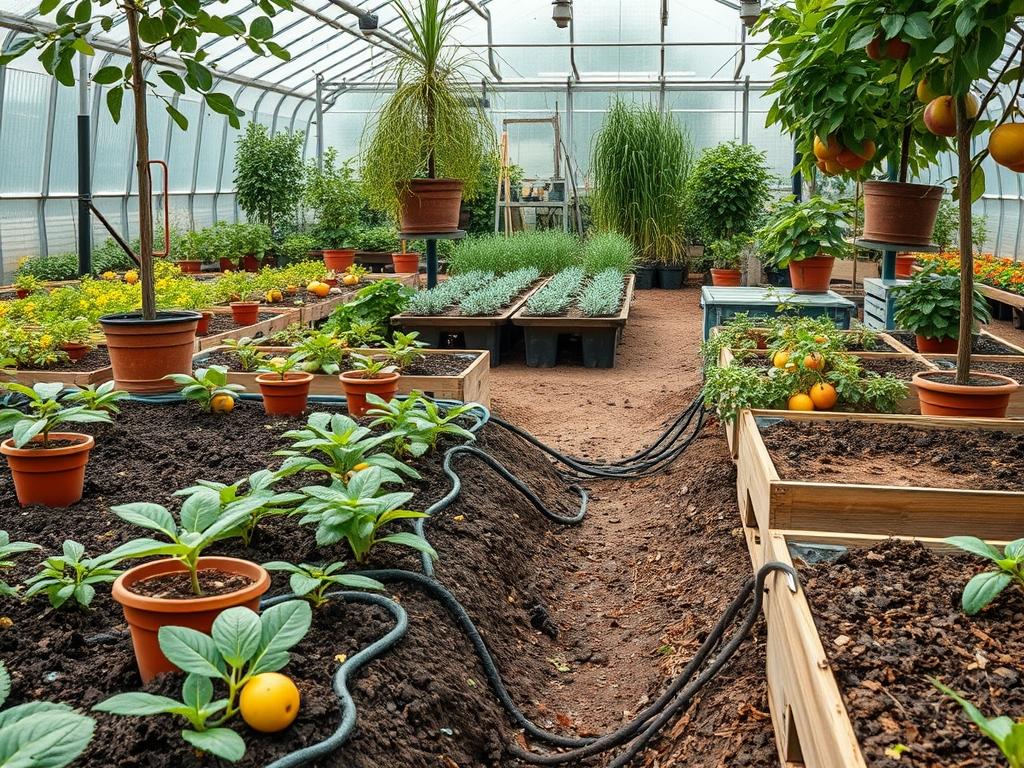
Irrigation planning must be integrated into the initial design phase rather than added as an afterthought. We recommend Drip Irrigation systems that deliver water directly to the root zone, reducing evaporation and preventing fungal diseases on the foliage. Walkways should be constructed from porous materials like Decomposed Granite or Flagstone to allow for natural water infiltration. This visual balance between the hardscaping and the organic softscaping ensures the garden feels intentional and structured.
Plant and Material Selection
Selecting the right specimens involves matching the biology of the plant to the specific microclimate of the site. The following table provides a breakdown of high performance native fruit varieties for various landscape applications.
| Plant Type | Sun Exposure | Soil Needs | Water Demand | Growth Speed | Maintenance Level |
| :— | :— | :— | :— | :— | :— |
| Pawpaw | Full Sun to Part Shade | Rich, Moist, Well-drained | Medium to High | Moderate | Low |
| Serviceberry | Full Sun to Part Shade | Adaptable, Loamy | Medium | Fast | Moderate |
| Elderberry | Full Sun | Moist to Wet, Rich | High | Very Fast | Moderate |
| American Persimmon | Full Sun | Well-drained, Sandy/Clay | Medium | Slow | Low |
| Aronia (Chokeberry) | Full Sun to Part Shade | Adaptable, Tolerates Wet | Medium | Moderate | Very Low |
| Muscadine Grape | Full Sun | Well-drained, Acidic | Medium | Fast | High (Pruning) |
| Highbush Blueberry | Full Sun | Acidic, High Organic Matter | Medium to High | Moderate | Moderate |
Implementation Strategy
The transition from a design on paper to a physical landscape involves a systematic approach to site preparation. First, utilize Rough Grading to ensure that water moves away from the home foundation and toward designated drainage areas or rain gardens. If the site has significant slopes, the installation of Retaining Walls built from Natural Stone or Segmented Concrete Blocks can create level planting terraces. These terraces help retain moisture and prevent the erosion of valuable topsoil.
Once the grade is established, focus on soil health. Most native fruit varieties benefit from the addition of Organic Compost tilled into the top 6 inches of the soil. When planting, dig a hole twice as wide as the root ball but no deeper. This prevents the plant from settling too low, which can lead to trunk rot. Use a Steel Spade to loosen the sides of the playing hole to allow easy root penetration. After the plant is set, apply a 3 inch layer of Hardwood Mulch around the base; however, ensure the mulch does not touch the actual bark of the tree. This “mulch donut” retains moisture and regulates soil temperature throughout the year.
Hardscaping elements should be installed before the final planting phase. Use Steel Edging or Brick Pavestone to define the borders between the lawn and the fruit beds. This creates a clean line that simplifies lawn maintenance and prevents grass from encroaching on the fruit plants. For climbing varieties like the Muscadine Grape, install a Heavy Duty Trellis or a Cedar Arbor capable of supporting the significant weight of a mature vine.
Common Landscaping Failures
The most frequent mistake in edible landscaping is improper drainage throughout the site. Many people assume that native plants can handle any condition, but even water loving species like Elderberries can suffer from root rot if the water becomes stagnant. If you have heavy clay soil, consider installing a French Drain or building Raised Beds to improve aeration.
Root overcrowding is another significant issue. It is tempting to plant a dense screen for immediate privacy; however, you must account for the mature spread of the species. A Persimmon tree can eventually reach a width of 25 feet. Planting it too close to a driveway or a utility line will result in expensive structural damage or the eventual death of the tree. Always consult a growth chart before finalizing your spacing on the site map.
Finally, soil compaction caused by heavy equipment during the construction phase often goes unaddressed. Compacted soil lacks the pore space necessary for roots to breathe. If the ground is as hard as concrete, use a Broadfork or a Mechanical Aerator to fracture the soil before you begin the planting process. Without this step, your native fruits will struggle to establish themselves, regardless of how much water or fertilizer you apply.
Seasonal Maintenance
Landscape management is a year round commitment that changes with the season. In the spring, focus on the application of a Slow Release Fertilizer and the pruning of dead or crossing branches. This is also the best time to check your Irrigation Emitters for clogs. As the weather warms into summer, prioritize consistent moisture for young plants. Use a Soil Moisture Meter to check the hydration level at a depth of 4 inches.
Autumn is the season for harvesting and sanitation. Remove fallen fruit and leaf litter to prevent the overwintering of pests. This is also the ideal time to add a fresh layer of Bark Mulch to protect the root systems from upcoming freezes. In the winter, perform structural pruning on deciduous trees like the Pawpaw. Removing the vertical water sprouts and thinning the canopy allows light to reach the interior of the tree, which improves fruit quality for the following year. Winter is also the time to inspect Retaining Walls and Walkways for any shifting caused by frost heave.
Professional Landscaping FAQ
What is the best way to improve soil for native fruits?
Incorporate Organic Compost and leaf mold to increase nutrient density. Most native fruit varieties prefer a loose, loamy soil structure. Testing your soil pH with a Digital Tester is essential to ensure the acidity matches the specific requirements of the plant.
How do I prevent wildlife from eating all the fruit?
Utilize Decorative Fencing or Bird Netting during the ripening window. Incorporating a variety of native plants can also provide alternative food sources for local animals, which may reduce the pressure on your primary fruit harvest.
Can I grow native fruit in a small urban yard?
Yes, several species like Aronia or Highbush Blueberry stay compact. You can also use Espalier techniques to grow fruit trees flat against a fence or a brick wall, maximizing vertical space while maintaining a high end architectural look.
Why are my native fruit trees not producing?
Poor pollination or insufficient sunlight are the common culprits. Most fruit bearing plants require at least 6 to 8 hours of direct sun. Additionally, some species like the Pawpaw require a second, genetically different tree nearby for cross-pollination.
When is the best time to plant native fruit?
Early spring or late autumn are the ideal windows. Planting during these dormant or semi-dormant periods allows the root systems to establish without the stress of extreme summer heat or frozen winter ground, ensuring a higher survival rate.